Pennsylvania Service Dog Laws
Register Any Breed
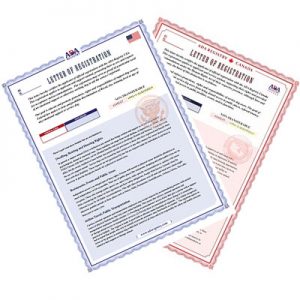
Example Cards Available In USA And Canada
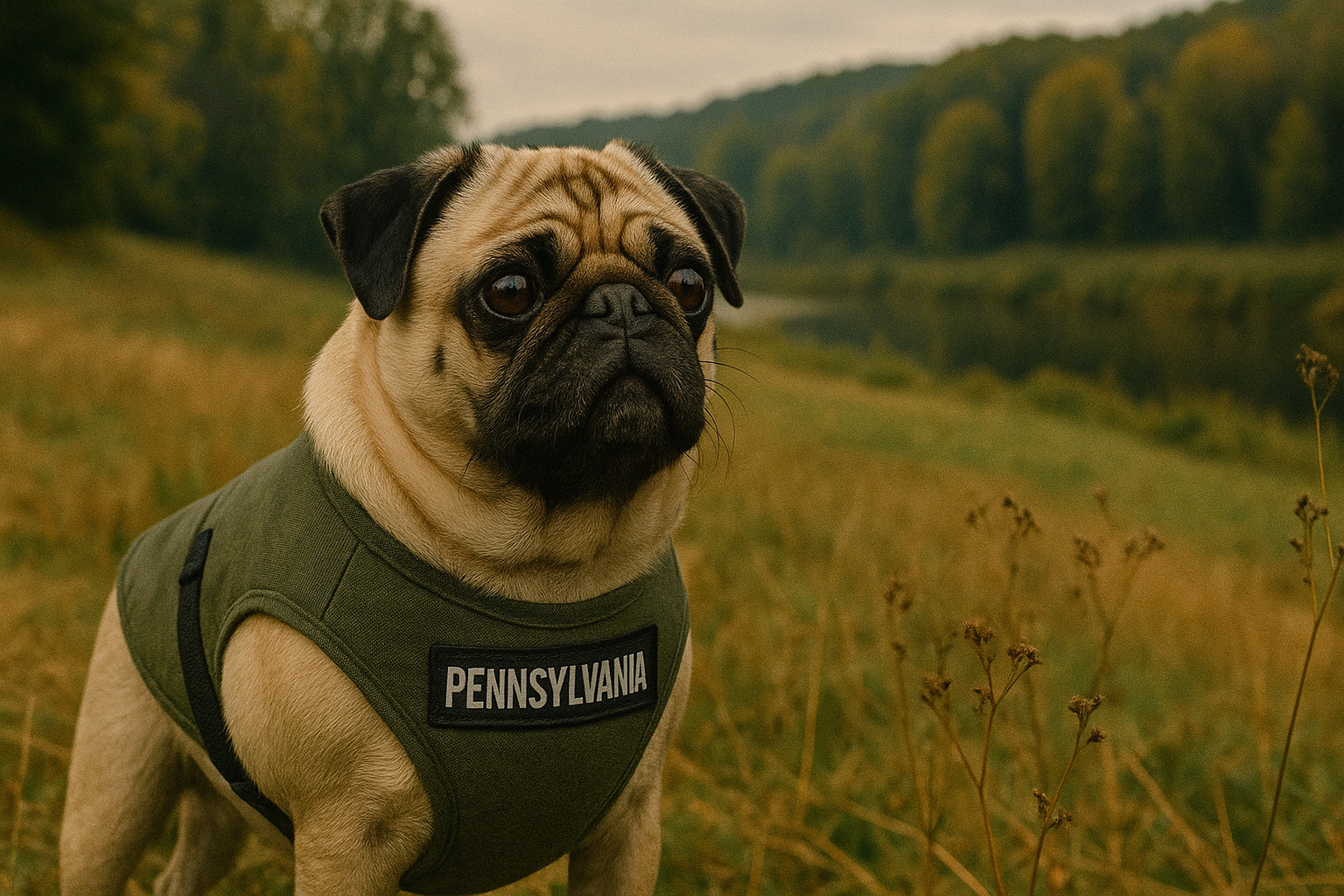
Overview of Service Dog and Legal Definitions in Pennsylvania
In Pennsylvania, understanding the legal frameworks governing service dogs is crucial for both handlers and the general public. Service dogs in this context are recognized under both federal and state laws, which provide certain protections and outline obligations for handlers and businesses alike.
What is a Service Dog?
According to the Americans with Disabilities Act (ADA), a service dog is defined as a dog individually trained to perform tasks for the benefit of an individual with a disability, including physical, sensory, psychiatric, intellectual, or other mental disabilities. The key factor differentiating a service dog from other animals is its specific training to assist with the handler’s disability-related needs.
How Service Dogs Differ from Other Types of Assistance Animals
Service dogs stand apart from emotional support animals (ESAs) and therapy animals due to their specialized training. While ESAs provide comfort and support through companionship and do not require specialized training, therapy animals are typically involved in structured therapeutic activities and aren’t protected under the ADA’s public access rights. Service dogs, on the other hand, have been trained for particular tasks, such as guiding individuals who are visually impaired or detecting oncoming seizures, which gives them broader access rights.
Key Federal Laws Affecting Service Dogs
Several federal laws intersect with service dog regulations in Pennsylvania:
- Americans with Disabilities Act (ADA): Grants the right for service dogs to accompany their handlers in public spaces and facilities.
- Fair Housing Act (FHA): Protects the right of service animal owners to live with their animals in housing that falls under the jurisdiction of the FHA, even if pets are otherwise prohibited.
- Air Carrier Access Act (ACAA): Allows service dogs to fly at no additional cost, differing from rules that generally apply to ESAs.
State-Specific Service Dog Laws in Pennsylvania
While federal laws lay the groundwork for service dog rights, Pennsylvania enforces additional state-specific provisions that complement these protections. Such state laws are designed to foster inclusivity while ensuring public safety and respect for all individuals. In Pennsylvania, service dog regulations are detailed in various state-specific statutes, providing supplementary protections and responsibilities.
Housing Rights and Responsibilities
Under the FHA combined with state regulations, individuals with disabilities in Pennsylvania are entitled to live with their service dogs, regardless of a landlord’s general pet policies. Landlords cannot charge extra fees for service dogs, though they can require documentation from a reliable third-party medical professional. However, service dog handlers are liable for any damages the dog may cause.
Public Access and Accommodation
Facilities that fall under public accommodations must permit access to service dogs under state and federal law. This applies to restaurants, hotels, retail stores, schools, medical facilities, and more. Handlers must ensure their dogs are well-behaved and under control; failure to do so can result in the denial of access. Specific details for Pennsylvania underline the prohibition of imposing extra fees or segregation based on service dog presence.
Register Any Breed
Example Cards Available In USA And Canada
Transportation and Travel Rules
In Pennsylvania, both the ADA and state-specific travel laws provide provisions for service dog access on public transportation, such as buses, taxis, and trains. Additionally, under the ACAA and state air travel regulations, service dogs are permitted on flights departing to and from Pennsylvania without additional charges, though handlers may be required to present specific documentation and adhere to carrier-specific policies.
Employment and Workplace Considerations
The ADA prevents discrimination against employees who need service dogs. Pennsylvania reinforces this by requiring employers to accommodate service dogs in the workplace unless doing so poses a direct threat or undue hardship. Communication between employer and employee is critical to determine any necessary adjustments in the workplace environment to accommodate the service animal.
Documentation, Requirements, and Processes in Pennsylvania
While service dogs do not require certification, certain documentation can ease interactions in various contexts, from housing to travel. Understanding who can issue appropriate documents and what these documents include is vital for smooth transitions and adherence to the law.
Service Dog Documentation and Who Can Issue It
Documentation for service dogs typically includes a statement from a healthcare provider verifying the handler’s disability and necessity for a service animal. This documentation can be issued by licensed medical professionals, including doctors and psychologists. Although not strictly required in all scenarios, having these documents can facilitate smoother interactions and compliance.
Landlord, Business, and Provider Verification Rules
In verifying a service dog, businesses and landlords in Pennsylvania can only ask two questions: whether the dog is required due to a disability, and what tasks the dog has been trained to perform. They are prohibited from requiring documents that disclose the handler’s specific medical condition.
Rights, Limitations, and Legal Risks
Despite substantial rights afforded to service dog handlers, there are precise limitations and potential legal pitfalls to consider.
Rights Service Dog Handlers Have in Pennsylvania
- Unrestricted access to public spaces
- Right to housing with a service dog without extra fees
- Ability to travel with a service dog on public and air transportation
- Rights to workplace accommodation
Limits on Service Dog Protections and Common Restrictions
Even with these rights, limitations exist. Service dogs must remain controlled and non-disruptive, and access can be denied if they pose a threat to health or safety, or are not housebroken. Furthermore, handlers must provide care and supervision; the responsibilities of others do not include caring for the service dog.
Penalties for Fraud or Misrepresentation
Misrepresenting a pet as a service dog undermines the spirit of protective laws and is met with penalties in Pennsylvania, including fines and potential legal action. Fraudulent representation can lead to broader negative implications affecting individuals genuinely needing service dogs.
Practical Guidance for Service Dog Handlers in Pennsylvania
For handlers in Pennsylvania, understanding these laws and adhering to them is essential to avoid conflicts and ensure access to their rights.
How to Qualify for a Service Dog Legitimately
Qualification for a service dog involves a documented disability and the need for tasks that mitigate that disability. Working with accredited training organizations and securing documentation from healthcare professionals supports legitimacy.
How to Talk to Landlords, Airlines, and Employers
Effective communication is key. Educating service providers about your rights and the specific tasks your dog performs is crucial. Present clear, concise documentation and remain open to dialogue regarding how any concerns can be mitigated.
Summary of Service Dog Laws in Pennsylvania
To summarize, here are the key points regarding service dog laws in Pennsylvania:
- Service dogs must perform specific tasks related to the handler’s disability.
- Public accommodations, housing providers, and employers must recognize service dogs and make reasonable accommodations.
- Misrepresenting an animal as a service dog is subject to penalties.
- Handlers should maintain documentation and be prepared to articulate their rights and the functions of their service dogs.
By adhering to these guidelines and understanding the laws, service dog handlers in Pennsylvania can effectively navigate the legal landscape. These insights reinforce both the protections available and the responsibilities that handlers carry in ensuring their service dogs are well-behaved and properly trained.


-
Public Access Kits
$149.00 Learn more This product has multiple variants. The options may be chosen on the product page -
Quick Ship Premium Vests
$48.00 – $82.00 Learn more This product has multiple variants. The options may be chosen on the product page -
Service Dog Bandana
$39.95 Learn more This product has multiple variants. The options may be chosen on the product page
Custom ID Cards

Custom ID Cards
Custom Service Dog Tags
Official Dog Vests

Smart Vests
Official Public Access Kits
Complete Kits
USA & CANADA Letters
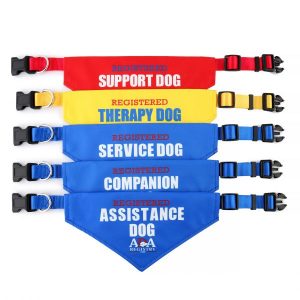
High Quality Bandanas
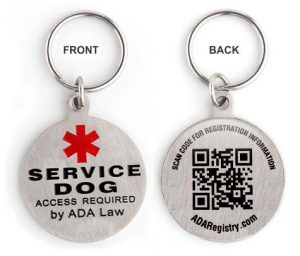
Service Dog Tags
Smart Tags
ESA TAGS