Wisconsin Service Dog Laws
Register Any Breed
Example Cards Available In USA And Canada

Overview of Service Dog and Legal Definitions in Wisconsin
Understanding the specific laws and regulations surrounding service dogs in Wisconsin is crucial for handlers, businesses, landlords, and the general public. The state of Wisconsin, much like the rest of the United States, follows federal guidelines while adding its unique stipulations to ensure the rights and responsibilities of service dog handlers are both honored and upheld.
What is a Service Dog?
A service dog is defined under the Americans with Disabilities Act (ADA) as a dog that is individually trained to perform tasks or work for the benefit of a person with a disability. These tasks must be directly related to the handler’s disability, such as guiding individuals who are blind, alerting people who are deaf, pulling a wheelchair, or providing assistance during a seizure. The definition is strictly limited to dogs, excluding other types of animals.
How Service Dogs Differ from Other Types of Assistance Animals
While service dogs are trained to perform specific tasks for individuals with disabilities, other types of assistance animals, such as emotional support animals (ESAs) or therapy animals, provide comfort through companionship and do not have special training to perform tasks. Unlike service dogs, ESAs and therapy animals do not have the same legal access rights under the ADA, although they may have some housing rights under the Fair Housing Act (FHA).
Key Federal Laws Affecting Service Dogs (e.g., ADA, FHA, ACAA)
- The Americans with Disabilities Act (ADA): This law ensures that service dogs are allowed to accompany their handlers in public places, including stores, restaurants, and schools.
- The Fair Housing Act (FHA): This legislation requires that individuals with disabilities be allowed to have service animals in their homes, even if pets are usually not permitted.
- The Air Carrier Access Act (ACAA): This act mandates airlines to allow service animals to fly in the cabin at no additional cost, provided they comply with safety requirements.
State-Specific Service Dog Laws in Wisconsin
Wisconsin aligns with federal regulations but also incorporates state-specific laws to enhance clarity and protection for service dog handlers. These laws ensure that individuals with disabilities can enjoy equal opportunities and access in various aspects such as housing, public accommodations, and employment.
Housing Rights and Responsibilities
Under both the FHA and Wisconsin state laws, landlords are obligated to accommodate service dogs in housing units, even when pets are typically prohibited. Landlords may not charge extra fees or deposits for service animals. However, the handler is responsible for any damage caused by their service animal.
Public Access and Accommodation
Wisconsin law guarantees that individuals with service dogs can access public spaces without being subjected to discrimination. This includes restaurants, hotels, and government buildings. Businesses may ask if the dog is required because of a disability and what tasks it has been trained to perform, but cannot demand documentation or ask about the person’s disability.
Transportation and Travel Rules
The ACAA ensures service dog handlers in Wisconsin face no restrictions when traveling by air. Service dogs must be permitted in the cabin with their handlers. Local transportation services, such as buses and trains, also must accommodate service dogs, and handlers cannot be charged extra fees.
Register Any Breed
Example Cards Available In USA And Canada
Employment and Workplace Considerations
Under both state and federal law, employers are required to provide reasonable accommodations for employees with service dogs, unless it poses undue hardship. Employees must communicate their needs to employers and may be required to provide documentation of their disability and the need for a service dog.
Documentation, Requirements, and Processes in Wisconsin
Service Dog Documentation and Who Can Issue It
While the ADA does not require service dogs to be certified or registered, some institutions may request basic documentation. This can include a doctor’s note verifying the handler’s disability and the necessity of the service dog.
Landlord, Business, and Provider Verification Rules
Landlords and businesses in Wisconsin can ask whether the service animal is required because of a disability and what tasks it has been trained to perform. They cannot demand extensive documentation or proof of training, which aligns with ADA regulations.
Rights, Limitations, and Legal Risks
Rights Service Dog Handlers Have in Wisconsin
Handlers have the right to be accompanied by service dogs in all areas accessible to the public and in housing. They cannot be charged extra fees or denied services due to their service dogs.
Limits on Service Dog Protections and Common Restrictions
Certain areas, such as sterile environments in hospitals, may have restrictions for service dogs. It’s important for handlers to be aware of these exceptions to minimize disruptions.
Penalties for Fraud or Misrepresentation
Misrepresenting an animal as a service dog is a punishable offense in Wisconsin, with fines imposed on those who falsify documentation or purposefully deceive businesses and landlords.
Practical Guidance for Service Dog Handlers in Wisconsin
How to Qualify for a Service Dog Legitimately
To qualify for a service dog, individuals must have a disability and require a dog trained to perform specific tasks related to that disability. Consulting healthcare professionals and reputable service dog training organizations is recommended.
How to Talk to Landlords, Airlines, and Employers
Clear communication is key. When approaching landlords or employers, provide necessary documentation without divulging sensitive personal information. Demonstrate your service dog’s training and utility without infringing on privacy.
Summary of Service Dog Laws in Wisconsin
**- Service dogs are legally defined and protected under the ADA for performing specific tasks for individuals with disabilities.
- Federal laws (ADA, FHA, ACAA) interact with Wisconsin laws to provide comprehensive protection for service dog handlers.
- Handlers have rights to access housing, public spaces, transportation, and employment with their service dogs.
- There are limitations, including certain restricted areas and where public safety may be compromised.
- Documentation is minimal, generally requiring basic verification of disability-related needs.
- Fraudulently representing a pet as a service dog is illegal and subject to penalties.
- Engaging in open communication and abiding by state laws can help avoid disputes and ensure compliance.**
This guide aims to illuminate the path for service dog handlers in Wisconsin, helping them understand their rights and responsibilities while fostering a respectful environment for all.


-
Public Access Kits
$149.00 Learn more This product has multiple variants. The options may be chosen on the product page -
Quick Ship Premium Vests
$48.00 – $82.00 Learn more This product has multiple variants. The options may be chosen on the product page -
Service Dog Bandana
$39.95 Learn more This product has multiple variants. The options may be chosen on the product page
Custom ID Cards

Custom ID Cards
Custom Service Dog Tags

Official Dog Vests

Smart Vests
Official Public Access Kits
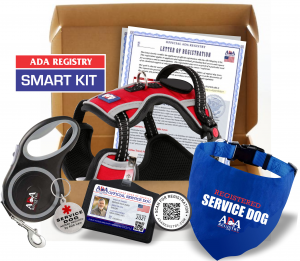
Complete Kits
USA & CANADA Letters

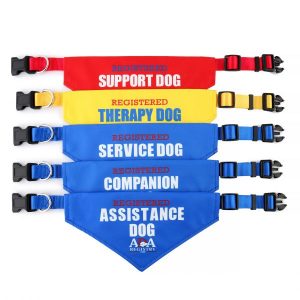
High Quality Bandanas
Service Dog Tags
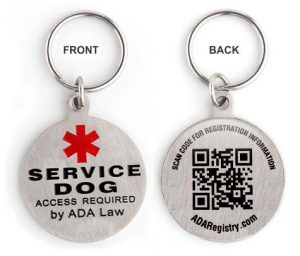
Smart Tags
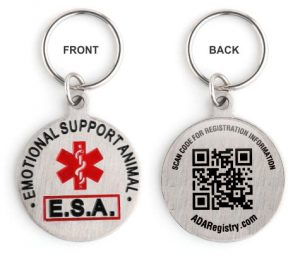
ESA TAGS