Afghan Hound as a Therapy Dog
Register Any Breed
Afghan Hound as a Therapy Dog Overview
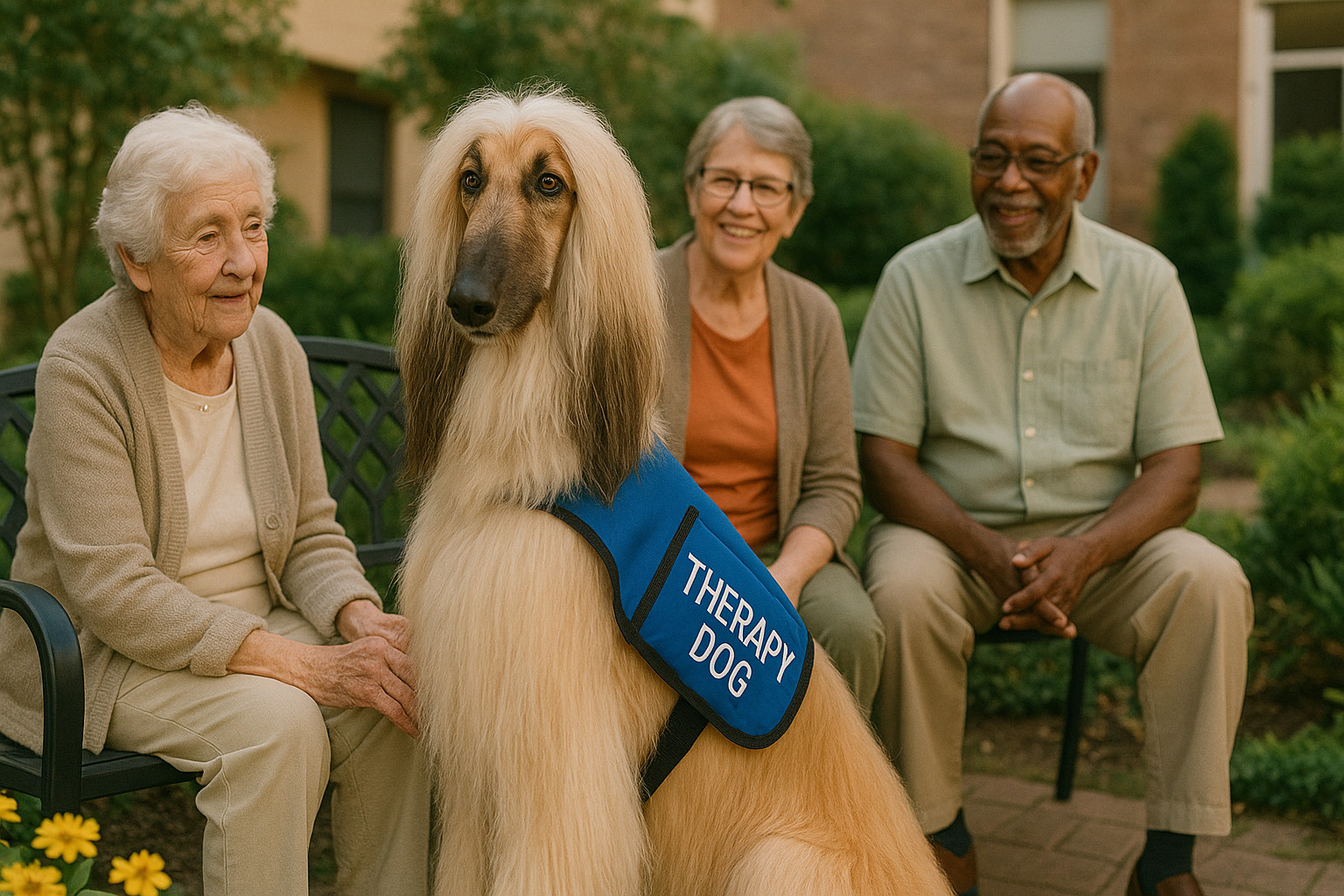
The Afghan Hound, with its aristocratic elegance and independent nature, might not be the first breed that comes to mind when thinking of a therapy dog. However, when properly trained, the Afghan Hound can offer unique contributions to therapy work. This article explores the breed’s potential, focusing on temperament, physical traits, and the environments where it can excel in a therapeutic role.
Understanding the Therapy Dog Role
A therapy dog's role is to provide comfort, support, and companionship to individuals in various settings, such as hospitals, schools, and rehabilitation centers. These dogs offer emotional benefits through affectionate interactions, which can significantly enhance recovery or coping processes. While breeds like the Labrador Retriever are commonly associated with therapy work due to their affable nature, the Afghan Hound can also serve effectively, albeit in specific roles that align with their unique characteristics.
Physical Appearance and Energy Level
The Afghan Hound is a strikingly beautiful dog known for its long, flowing coat, dignified demeanor, and graceful movements. They stand out with their high-set hip bones and finely chiseled heads, exuding elegance that captures attention in any setting.
- Energy Level: Afghan Hounds have a medium to high energy level. They require regular exercise, which is crucial not only for their physical well-being but also for their mental health. Adequate exercise ensures they remain calm and composed during therapy sessions.
- Physical Requirements: Given their size and strength, Afghan Hounds are best suited for therapy roles that can accommodate their need for space and movement. Their coat, while beautiful, requires regular grooming to ensure cleanliness, particularly in clinical settings.
Personality and Emotional Intelligence
Afghan Hounds possess a unique blend of independence and sensitivity. They may not be as overtly affectionate as some other breeds, but their presence can be deeply comforting due to their calm and composed nature.
- Empathy and Intuition: Afghan Hounds are known to be exceptionally intuitive, often sensing the emotional states of humans. This trait can be beneficial in therapy settings where non-verbal communication is key.
- Adaptability: While they may startle easily due to their sighthound heritage, Afghan Hounds can adapt to new environments with proper training and socialization, making them versatile in diverse therapy situations.
Environments Where Afghan Hound Excels
The Afghan Hound is particularly effective in settings where calmness and emotional support are needed without requiring constant interaction or engagement.
- Hospitals and Rehabilitation Centers: Their ability to provide silent companionship can be soothing to patients dealing with stress or recovery. Their elegance and composure often break the monotony of clinical settings, providing a visual delight.
- Schools and Libraries: Afghan Hounds can function well in literacy programs where children read to dogs. Their calm demeanor and patient listening can encourage reluctant readers to engage more fully.
Common Therapy Settings
Therapy dogs are deployed in several environments, each with distinct demands and expectations. Afghan Hounds can work effectively in:
- Mental Health Clinics: They offer companionship that can ease anxiety and depression symptoms, providing a sense of normalcy and routine for patients.
- Senior Living Facilities: Their presence can spur reminiscence and conversations, offering gentle stimulation and facilitating social interactions among residents.
- Support Groups: Afghan Hounds can serve as calming agents in emotionally charged environments, such as bereavement or addiction recovery groups, by offering a non-judgmental presence.
Interactions with Different Populations
The Afghan Hound's interactions with various populations can be nuanced and require thoughtful handling.
Register Any Breed
- Children and Adolescents: While not as overtly playful as other breeds, Afghan Hounds can form strong bonds with children, particularly in one-on-one settings. Their gentle demeanor can foster trust and security.
- Adults and Seniors: This breed can connect deeply with adults and seniors, often responding well to those with a gentle touch. Their serene presence can be especially comforting in times of loneliness or stress.
- Individuals with Disabilities: Afghan Hounds must be acclimated to assistive devices and varied physical movements to ensure comfortable interactions with individuals with disabilities.
Health and Wellness Factors
The Afghan Hound's health and wellness factors are crucial in their role as therapy dogs, impacting how effectively they can perform their duties.
Lifespan and Common Health Issues
Afghan Hounds have an average lifespan of 12-14 years. Like all breeds, they are prone to certain health conditions, including:
- Hip Dysplasia: Regular vet check-ups and maintaining a healthy weight can help prevent joint issues.
- Cataracts: Regular eye examinations are recommended as the breed is susceptible to hereditary cataracts.
- Hypothyroidism: Routine screenings can ensure early diagnosis and management of this condition.
Ensuring an Afghan Hound's health and comfort is paramount to their success in therapy work. Regular veterinary care, a balanced diet, and managing stress through appropriate exercise contribute to their overall well-being.
Maintenance and Care Needs
The Afghan Hound's luxurious coat requires regular grooming to maintain its appearance and hygiene, especially in therapy settings.
- Grooming Regimen: Daily brushing is recommended to prevent matting, and regular baths are necessary to keep their coat clean. This can be quite time-intensive but is crucial to maintain their suitability for therapy work.
- Exercise Requirements: Although they enjoy lounging indoors, Afghan Hounds need regular exercise, such as long walks or runs in safe areas, to fulfill their energy needs and keep them balanced in therapy environments.
Training and Certification Readiness
Afghan Hounds possess a natural elegance and intelligence, though their training for therapy work requires patience due to their independent nature.
Learning Style and Responsiveness
- Intelligence: Afghan Hounds are intelligent but can be selectively deaf to commands if not properly motivated. Positive reinforcement and patience are key strategies in training them for therapy certification.
- Responsive Nature: Though inherently independent, they are capable of forming strong bonds with a handler, which enhances their responsiveness over time.
Handling Social and Emotional Stimuli
Handling social and emotional stimuli is a significant aspect of a therapy dog's effectiveness.
- Calm Under Pressure: Afghan Hounds generally remain poised even in the presence of emotional turmoil. Their calmness can diffuse tense or stressful atmospheres.
- Sensitivity to Environment: Sensitive to noise and chaos, Afghan Hounds require conducive environments where they can operate calmly without being overwhelmed.
Strengths, Limitations, and Ideal Roles for Afghan Hound
Understanding the Afghan Hound’s strengths and limitations helps delineate its ideal roles in therapy settings.
- Strengths: Their intuition, graceful presence, and silent companionship make them suitable for roles that require patient, soothing engagement without constant touch.
- Limitations: They may not thrive in highly active or chaotic environments due to their sensitive nature. Additionally, their grooming needs may pose challenges in environments where hygiene standards are stringently regulated.
- Ideal Roles: Afghan Hounds excel as visitors in peaceful therapy settings like hospices or libraries where their calm presence and visual charm can be fully appreciated.
Final Thoughts
The Afghan Hound, with its distinguished demeanor and profound intuitiveness, can play a distinct role in therapy work. While not as high-energy or overtly affectionate as other breeds, their quiet understanding and elegant presence bring unique benefits to the therapy dog domain. With appropriate training and in the right environments, Afghan Hounds can significantly impact those in need of comfort and companionship.
Key Takeaways for the Afghan Hound as a Therapy Dog
- Best suited for: Calm, structured environments like hospitals, schools, and reading programs
- Not ideal for: Chaotic or overly noisy settings
- Temperament highlights: Intuitive, independent, and calm
- Care and health notes: Requires regular grooming and healthcare due to susceptibility to certain hereditary conditions
- Therapy environments where they shine: Hospices, libraries, quiet community centers
Overall, when matched with the right handler and setting, the Afghan Hound can be a remarkable therapy dog, offering silent comfort and noble presence to those in need.


-
Public Access Kits
$149.00 Learn more This product has multiple variants. The options may be chosen on the product page -
Quick Ship Premium Vests
$48.00 – $82.00 Learn more This product has multiple variants. The options may be chosen on the product page -
Service Dog Bandana
$39.95 Learn more This product has multiple variants. The options may be chosen on the product page
Custom ID Cards

Custom ID Cards
All States
Canada Cards

Custom Service Dog Tags
Official Dog Vests
Smart Vests
Official Public Access Kits
Complete Kits
USA & CANADA Letters
High Quality Bandanas
Service Dog Tags
Smart Tags

ESA TAGS