Afghan Hound as an Emotional Support Dog
Register Any Breed
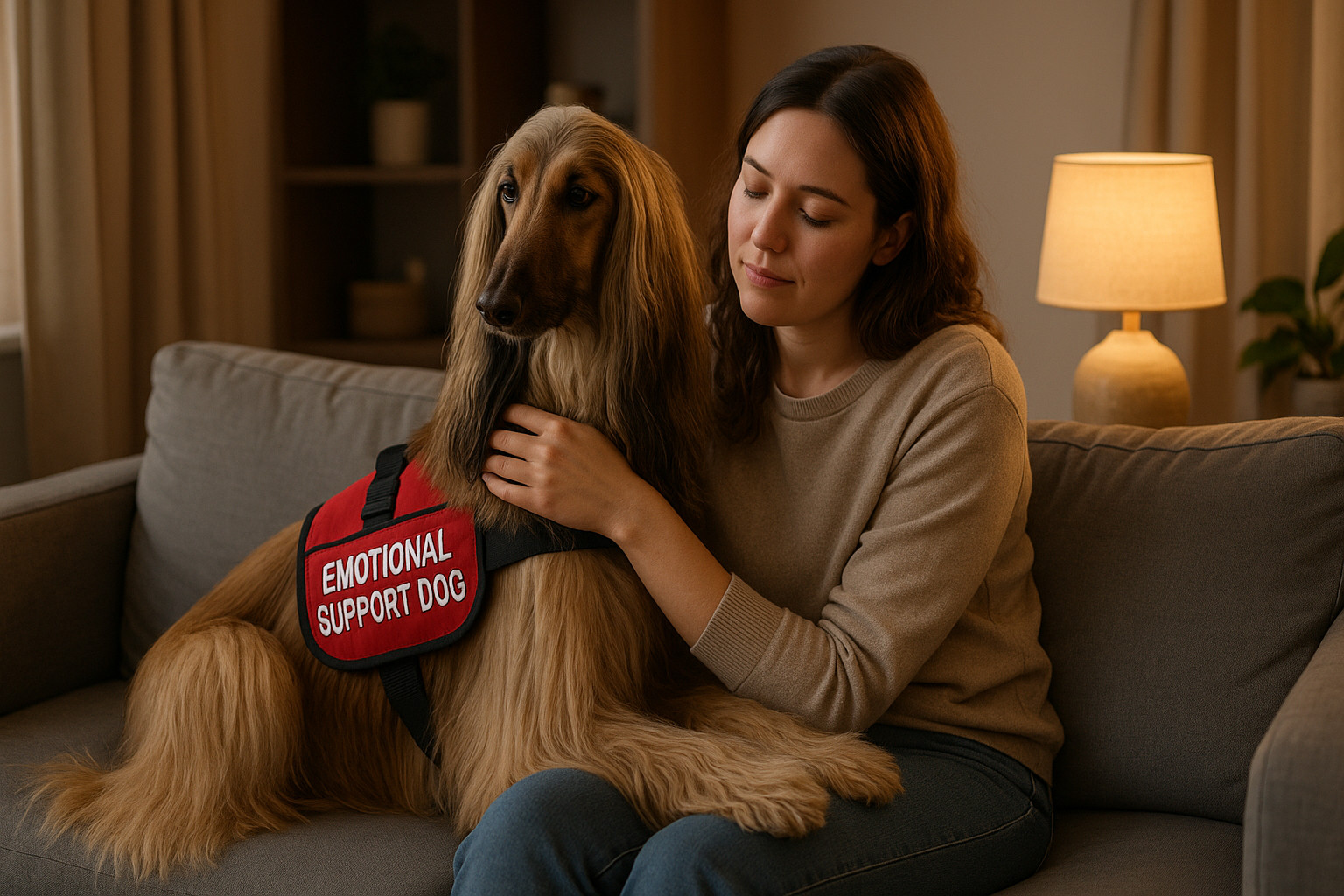
The Afghan Hound, with its iconic grace and undeniable presence, is often considered an unusual choice for an emotional support dog. Yet, this breed offers a unique blend of attributes that can provide significant emotional comfort and companionship to those in need. This article explores the suitability of the Afghan Hound as an emotional support animal, providing a comprehensive overview of their temperament, adaptability, and care needs. This guide aims to assist individuals or families considering an Afghan Hound for emotional support purposes.
Understanding the Emotional Support Role
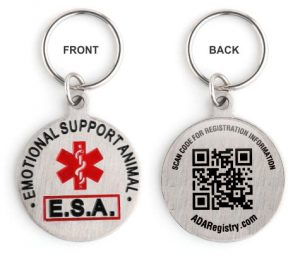
Emotional support animals (ESAs) are recognized for their ability to offer comfort and companionship to individuals experiencing emotional or psychological challenges. Unlike service dogs, ESAs do not perform specific tasks to aid their handlers. Instead, they provide therapeutic benefits simply through their presence, helping alleviate symptoms associated with conditions like anxiety, depression, and PTSD.
Afghan Hound Overview
The Afghan Hound is a breed known for its dignified appearance and unique personality. Originating from the mountainous regions of Afghanistan, these dogs have a rich history as hunting companions. Their distinctively elegant appearance, marked by a flowing coat and regal demeanor, has made them a popular choice for dog enthusiasts.
In terms of physical characteristics, Afghan Hounds are medium-to-large sized dogs with an athletic build. They possess a notable independence and are often perceived as aloof. This, however, does not overshadow their innate ability to form deep bonds with their human companions, especially in the context of emotional support.
Temperament and Emotional Connection
The Afghan Hound’s temperament is characterized by intelligence, independence, and sensitivity. These dogs are highly perceptive and can often sense changes in their owner's emotions:
- Empathy: Afghan Hounds have a unique empathy, often intuitively recognizing when their owners are distressed or need comfort.
- Emotional Bonding: Despite their aloof reputation, Afghan Hounds are capable of forming deep emotional connections. They thrive on human interaction, which can significantly enhance their role as emotional support animals.
- Calm Presence: Their calm demeanor can help soothe anxiety or stress. Afghan Hounds tend to be relatively quiet dogs, a trait that can be comforting in stressful environments.
Adaptability and Daily Behavior
Afghan Hounds are known for their adaptability, making them suitable companions for different lifestyles:
- Environment Adaptation: While originally bred for rugged terrain, Afghan Hounds can adapt to various living situations, from spacious rural homes to urban apartments, provided they receive adequate exercise and mental stimulation.
- Routine and Consistency: They benefit greatly from a stable routine, which can help provide consistency and a calming effect for both the dog and their owner.
- Daily Interaction: Regular, gentle interaction aids in maintaining their emotional health and strengthens their bond with their owner. Afghan Hounds often take the initiative to offer companionship and closeness.
Situations Where Afghan Hound Provides Strong Support
The Afghan Hound excels in environments and situations where their unique traits can shine:
Register Any Breed
- Loneliness and Isolation: Their presence can provide a sense of companionship, reducing feelings of isolation in individuals who may live alone or experience social anxiety.
- Stress Reduction: Their calm, unbothered demeanor can help reduce stress, making them ideal for individuals who encounter high-stress situations or environments.
- Quiet Companionship: Afghan Hounds are excellent for those who appreciate more subdued, yet deeply affectionate, interactions.
Ideal Living Environments
While adaptable, there are specific living situations where Afghan Hounds shine as emotional support animals:
- Spacious Homes: Ideal for homes that offer space for them to stretch and move freely, Afghan Hounds enjoy pursuing activities that keep their agile minds and bodies engaged.
- Apartment Living with Access to Outdoor Spaces: They can thrive in apartments if provided with regular exercise opportunities in nearby parks or securely fenced yards.
Bonds with Different Types of People
The Afghan Hound can forge strong connections with various types of individuals:
- Individuals with Anxiety: Their calming presence provides reassurance and reduces anxiety levels.
- Older Adults: Afghan Hounds adapt well to the slower pace of elderly individuals while offering gentle companionship.
- Families: Although independent, their loving nature enables them to bond with families, becoming cherished companions to children and adults alike.
Health, Care, and Wellbeing
Owning an Afghan Hound involves understanding their specific health and maintenance needs:
Common Health Considerations
Afghan Hounds are generally healthy, but like any breed, they are prone to certain health issues:
- Genetic Diseases: Hip dysplasia and cataracts are conditions that require vigilant monitoring.
- Veterinary Checkups: Regular vet visits ensure they remain in good health and can continue to provide steady emotional support.
Grooming, Comfort, and Maintenance Needs
Grooming is a significant aspect of an Afghan Hound’s care routine:
- Regular Grooming: Their long, flowing coats require regular grooming to prevent matting and maintain cleanliness.
- Clean Living Space: Keep their living areas clean to ensure comfort and prevent health issues.
- Diet and Nutrition: A balanced diet tailored to their activity level is crucial for maintaining their health.
Preparing an Afghan Hound for Emotional Support Work
Preparing an Afghan Hound to fulfill an emotional support role involves understanding and fostering their natural abilities:
Socialization and Responsiveness
Proper socialization helps Afghan Hounds become more effective emotional support animals:
- Early Socialization: Introduce them to various people, settings, and experiences early to enhance their adaptability.
- Positive Interactions: Encourage positive interactions to improve their response to emotional cues and environments.
Managing Stress and Emotional Cues
Afghan Hounds are perceptive to emotional cues, but managing their responses is essential:
- Consistent Training: Use gentle and consistent training to help them manage stress effectively.
- Understanding Limits: Recognize when an Afghan Hound needs downtime to ensure they are also emotionally healthy.
Strengths, Challenges, and Ideal Homes for Afghan Hound
While Afghan Hounds bring unique strengths to the table, potential challenges exist:
- Strengths: Their elegance, sensitivity, and empathetic nature make them superb emotional companions.
- Challenges: High grooming needs and occasional independence.
- Ideal Homes: Environments where they receive consistent love, attention, and care, allowing them to offer maximum emotional support.
Final Thoughts
Choosing the right emotional support animal is integral to enhancing one’s mental health and wellbeing. The Afghan Hound, with its distinctive personality and affectionate disposition, presents a fantastic option for many seeking emotional support. Understanding their care requirements and emotional capabilities will ensure a beneficial relationship for both the dog and owner.
Key Takeaways for the Afghan Hound as an Emotional Support Dog
- Best suited for: Individuals with anxiety, those who appreciate a quiet and calm presence, families, and older adults.
- Not ideal for: Owners unable to meet grooming and exercise needs or those seeking highly interactive or service-oriented assistance.
- Emotional traits: Calm, empathetic, intelligent, and independent yet affectionate.
- Care and health notes: Regular grooming is necessary; pay attention to diet and exercise for overall health.
- Environments where they provide the most comfort: Spacious homes or apartments with access to outdoor spaces, especially among those needing gentle, consistent companionship.


-
Public Access Kits
$149.00 Learn more This product has multiple variants. The options may be chosen on the product page -
Quick Ship Premium Vests
$48.00 – $82.00 Learn more This product has multiple variants. The options may be chosen on the product page -
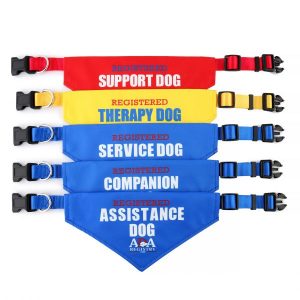
Service Dog Bandana
$39.95 Learn more This product has multiple variants. The options may be chosen on the product page
Custom ID Cards

Custom ID Cards
All States
Canada Cards
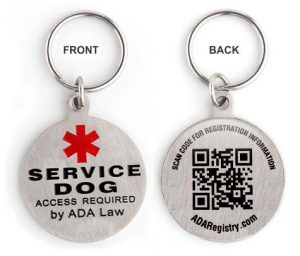
Custom Service Dog Tags
Official Dog Vests
Smart Vests
Official Public Access Kits
Complete Kits
USA & CANADA Letters
High Quality Bandanas
Service Dog Tags
Smart Tags

ESA TAGS