Alaskan Malamute as a Service Dog
Register Any Breed
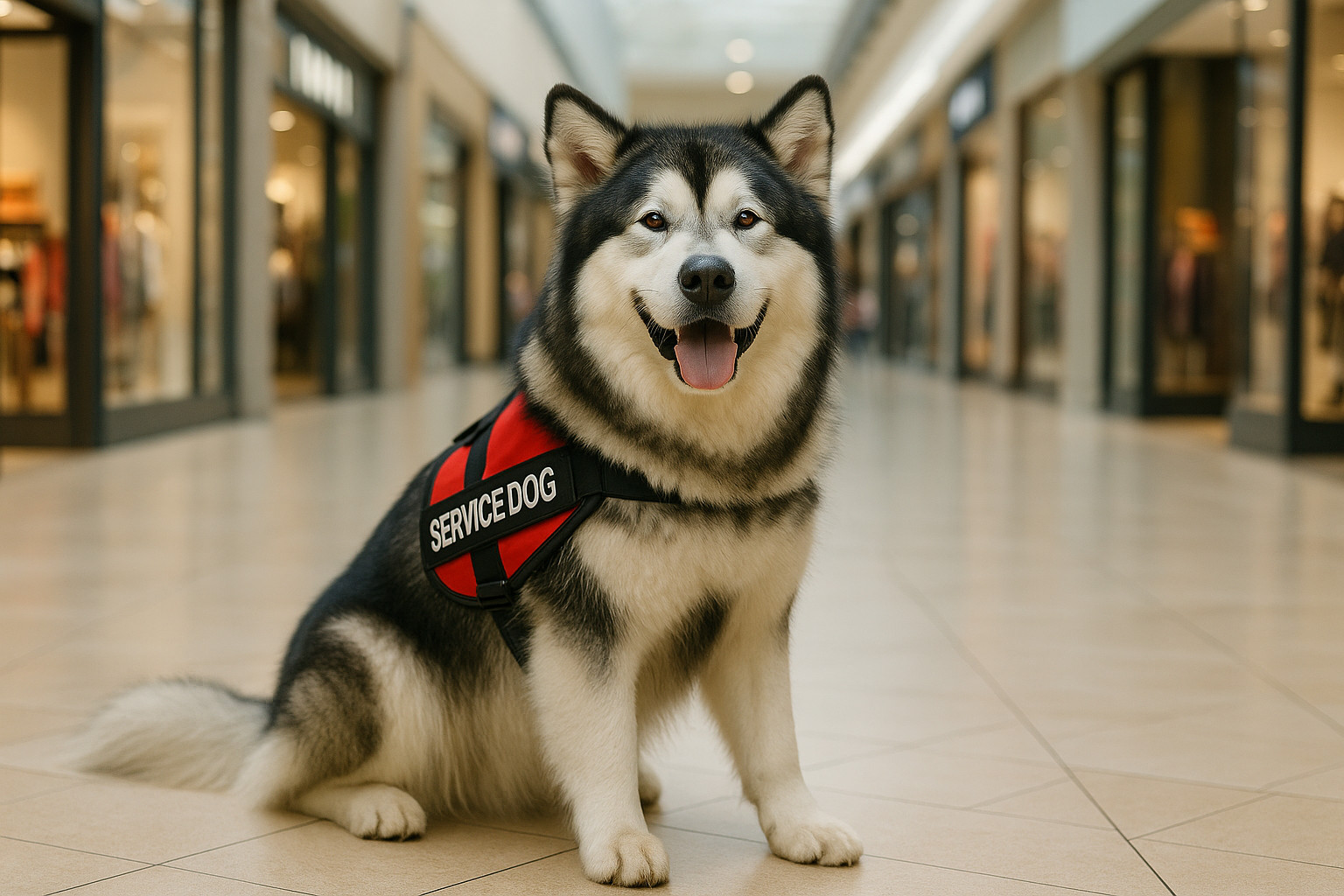
Service dogs play an essential role in assisting individuals with disabilities, providing help that can range from mobility support to medical alerting. When selecting a breed for this crucial role, the Alaskan Malamute presents an interesting yet uncommon choice. Known for their strength and endurance, this breed has both attributes and challenges for service work. This comprehensive guide explores the suitability of the Alaskan Malamute as a service dog, examining their physical characteristics, temperament, types of service work they are suited for, health considerations, their trainability, and finally, a summary of their potential in service roles.
Alaskan Malamute Overview
The Alaskan Malamute, with its powerful physique and wolf-like appearance, is one of the oldest Arctic sled dogs. Originating from the native Inuit-tribe Mahlemuts in Alaska, these dogs were bred for their strength and endurance needed to haul heavy sleds across the snowy terrains.
Physical Characteristics
With an imposing size ranging between 85-100 pounds, Alaskan Malamutes have a dense, thick coat adapted for cold climates, which may pose challenges in warmer regions. They are equipped with a broad head, erect ears, and a bushy tail that is often curled over the back. Their formidable stature gives them strength and stamina, advantageous for certain service dog tasks, yet potentially overwhelming in urban or confined environments.
- Strengths:
- Ideal for tasks requiring pulling or weight bearing
- Endurance aids in long working hours without fatigue
- Weaknesses:
- Large size can be impractical in small spaces
- Thick coat requires regular grooming and is unsuitable for hot climates
Temperament and Attitude
Alaskan Malamutes boast a friendly and affectionate temperament. They form strong bonds with their handlers and families, displaying loyalty and protective instincts. However, they are also known for their independence, which can translate into stubbornness during training.
- Pros:
- Loyal and protective nature fosters a deep bond with their handler
- Friendly demeanor makes them approachable in public settings
- Cons:
- Independent streak can cause training challenges
- Can become bored easily without sufficient mental and physical stimulation
Their temperament allows them to excel in environments where their sociable nature can thrive, provided they receive ample exercise and mental engagement.
Types of Service Work
Alaskan Malamutes can be trained for specific service roles, although their suitability greatly depends on the individual dog's personality and the handler's needs.
- Mobility Assistance:
- Leveraging their strength, Malamutes can assist in tasks requiring weight pulling or providing stability for people with balance issues.
- Emotional Support:
- Their affectionate nature and strong attachment to their owners make them suitable candidates for emotional support, helping reduce anxiety and depression symptoms through companionship.
However, due to their playful demeanor and size, they may not be suited for tasks that demand high levels of precision and control, such as those required for guide dogs.
Register Any Breed
Health Considerations
Understanding the health profiles of Alaskan Malamutes is crucial in assessing their long-term capability as service dogs. The breed is generally healthy but can be prone to certain genetic conditions:
- Hip Dysplasia: Common in larger breeds, this can affect mobility, reducing their effectiveness in physical support roles.
- Hypothyroidism: Can lead to weight gain and lethargy, impacting their activity levels.
- Polyneuropathy: This nerve disorder can affect their ability to perform certain tasks over time.
Regular veterinary check-ups and maintaining a healthy lifestyle are essential to mitigate these issues, ensure their well-being, and prolong their service life.
Training and Suitability
Training an Alaskan Malamute requires patience and consistency, given their independent nature. Their intelligence is an asset, allowing them to learn a variety of tasks; however, their perceived stubbornness can test even seasoned trainers.
- Training Tips:
- Positive reinforcement techniques work best given their sensitive nature
- Consistent and early socialization helps reduce distractions in public settings
- Mental stimulation is crucial to keep them engaged and motivated
While they are trainable, handlers need to be experienced with instinctual working breeds and be prepared for a longer training period compared to more traditional service dog breeds.
Summary of Alaskan Malamute
In conclusion, the Alaskan Malamute could serve well in specific service roles given the right circumstances and handler experience. However, they are not typically recommended for tasks that require extensive training precision or constant focus.
- Key Considerations:
- Strengths:
- Strong build suitable for mobility tasks
- Affectionate nature supports emotional support roles
- Weaknesses:
- Independent, requiring skilled training approaches
- Prone to certain health issues affecting long-term serviceability
- Ideal Service Roles:
- Suitable for mobility and emotional support services, assuming health is maintained
This blend of strengths and challenges makes the Alaskan Malamute a unique choice for service work, best suited for handlers who can meet their physical and mental needs effectively.


-
Public Access Kits
$149.00 Learn more This product has multiple variants. The options may be chosen on the product page -
Quick Ship Premium Vests
$48.00 – $82.00 Learn more This product has multiple variants. The options may be chosen on the product page -
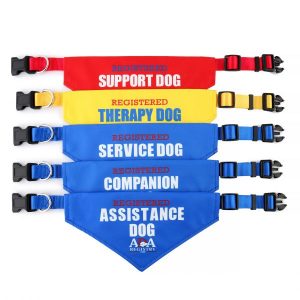
Service Dog Bandana
$39.95 Learn more This product has multiple variants. The options may be chosen on the product page
Custom ID Cards

Custom ID Cards
All States

Canada Cards

Custom Service Dog Tags
Official Dog Vests

Smart Vests
Official Public Access Kits
Complete Kits
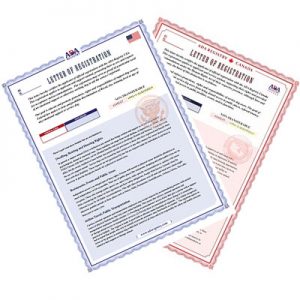
USA & CANADA Letters
High Quality Bandanas
Service Dog Tags
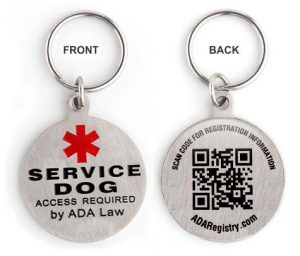
Smart Tags

ESA TAGS