American Eskimo Dog as a Therapy Dog
Register Any Breed
American Eskimo Dog as a Therapy Dog Overview
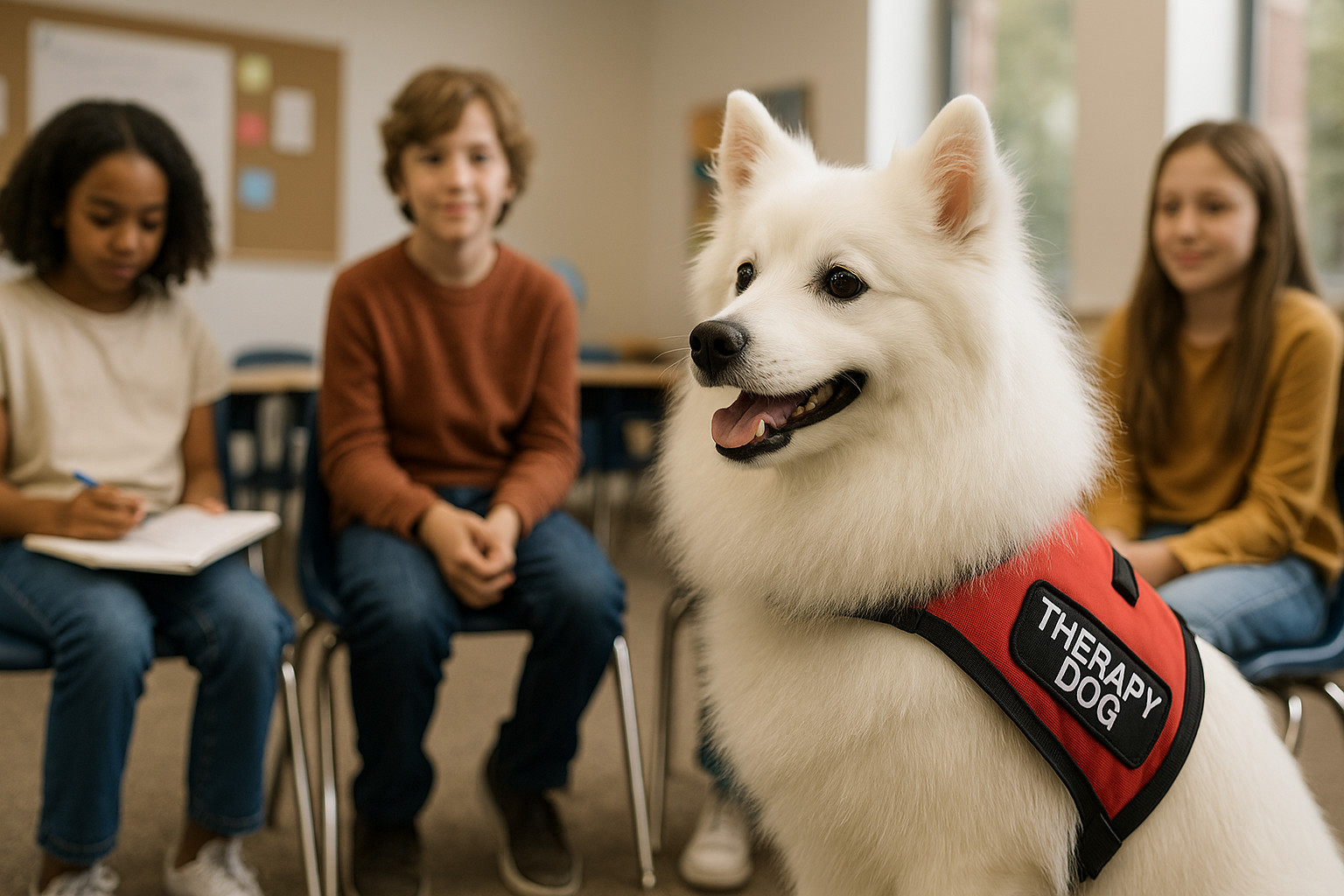
The American Eskimo Dog, with its vibrant personality and striking appearance, serves as an excellent candidate for therapy work. Although not as widely recognized in this field compared to some other breeds, their unique capabilities make them a delightful choice for bringing joy and comfort. Understanding their role as therapy dogs starts with appreciating their physical traits, temperament, and their interaction with diverse environments and populations.
Understanding the Therapy Dog Role
Therapy dogs are trained to provide comfort, affection, and emotional support in various settings. Unlike service dogs, they are not trained to perform specific tasks for one individual. Instead, therapy dogs work with different groups of people. The role demands a dog with a calm demeanor, high social intelligence, and a loving nature—qualities the American Eskimo Dog commonly embodies.
Physical Appearance and Energy Level
American Eskimo Dogs are known for their fluffy white coat, perky ears, and compact body. Their physical appeal often draws immediate attention, which is beneficial in therapy settings where engagement is key. They boast a moderate energy level, allowing them to participate in active therapy sessions or sit patiently by someone’s side. This balance ensures they do not overwhelm individuals with high-energy antics, making them suitable for therapeutic visits.
Personality and Emotional Intelligence
The breed is naturally friendly, loyal, and eager to please—traits vital for therapy dogs. Their emotional intelligence is notable, as they are adept at picking up on human emotions and providing comfort accordingly. The American Eskimo Dog exhibits a deep connection with humans, their adaptability to emotions enhancing their effectiveness in therapy work. This breed thrives in environments where they can engage with people, often offering calming interactions just by being present.
Environments Where American Eskimo Dog Excels
- Hospitals and Hospices: Their gentle nature is soothing, making them ideal for comforting patients.
- Schools and Libraries: Their friendly interactions can support stress relief and encourage socialization.
- Rehabilitation Centers: Their engaging personality can contribute to cognitive and emotional recovery.
Common Therapy Settings
The environments listed above are just a few where the American Eskimo Dog can excel. They are also known to perform well in mental health clinics and assisted living facilities, where their demeanor can have a profound impact. In these environments, the American Eskimo Dog can provide much-needed interaction and comfort, aiding in emotional healing and resilience.
Interactions with Different Populations
Their adaptable nature allows the American Eskimo Dog to interact effectively with various populations:
- Children: Their playful yet gentle disposition is perfect for interacting with children, providing a sense of joy and security.
- Elderly: Their calm presence and ability to sit quietly for extended periods is comforting to the elderly.
- Individuals with Anxiety or PTSD: Their empathetic nature can help reduce anxiety levels and promote relaxation.
Health and Wellness Factors
Maintaining the American Eskimo Dog’s health is crucial for therapy effectiveness. Regular veterinary check-ups are important for ensuring they are in top health, enabling them to participate actively in therapeutic sessions without risk of spreading germs or being uncomfortable themselves. Their snowy coat requires grooming to remain clean and presentable, which is crucial in professional settings.
Register Any Breed
Lifespan and Common Health Issues
American Eskimo Dogs typically live 12 to 15 years, with proper healthcare pivotal to maximize their lifespan. Common health concerns include hip dysplasia and eye disorders, and while these issues can be managed with care, they should be monitored to ensure these dogs remain active and comfortable in their therapy roles.
Maintenance and Care Needs
Routine grooming is necessary to maintain their iconic coat, ensuring it remains free from knots and dirt, and regular brushing helps minimize shedding. A balanced diet and regular exercise are also essential for maintaining their energy and health. Their moderate activity needs fit well with therapy schedules, allowing them to remain well-conditioned without becoming overexerted.
Training and Certification Readiness
American Eskimo Dogs are intelligent and respond well to positive reinforcement training. Their eagerness to please makes them quick learners, allowing them to pick up the necessary skills for therapy certification efficiently. Training should focus on reinforcing calm behavior, obedience, and social interactions.
Learning Style and Responsiveness
With their inquisitive nature, the American Eskimo Dog quickly adapts to new environments and experiences. They respond best to consistent training sessions that challenge their intellect and utilize positive reinforcement techniques to ensure they retain their training.
Handling Social and Emotional Stimuli
Their sensitivity to human emotions enables them to comfort those in distress naturally. This emotional acumen makes them suited to environments where emotional support is needed, as they can adapt their behavior based on the emotions they perceive. This flexibility allows them to be a steady and reliable source of comfort, adapting to the needs of the moment.
Strengths, Limitations, and Ideal Roles for American Eskimo Dog
- Strengths: Exceptional emotional intelligence, adaptability, strong physical presence, excellent in various environments.
- Limitations: May require more grooming than other therapy breeds, potential health issues that need monitoring.
- Ideal Roles: Engaging within schools, libraries, hospitals, and centers dealing with emotional and psychological recovery.
Final Thoughts
The American Eskimo Dog, with its perfect blend of temperament, intelligence, and physical appeal, is a shining addition to any therapy environment. Their ability to adapt and connect emotionally with people makes them stand out in the field of animal-assisted therapy.
Key Takeaways for the American Eskimo Dog as a Therapy Dog
- Best suited for: Hospitals, schools, rehabilitation centers, mental health environments.
- Not ideal for: Environments requiring low-maintenance grooming.
- Temperament highlights: Friendly, empathetic, adaptable, and intelligent.
- Care and health notes: Regular grooming required; vigilant attention to hip and eye health.
- Therapy environments where they shine: Anywhere emotional support and companionship are needed, especially with children, elderly, and those with emotional challenges.
The American Eskimo Dog offers invaluable companionship and emotional support to individuals across a variety of therapy settings. Their unique character and joyous presence bring hope and healing wherever they go.


-
Public Access Kits
$149.00 Learn more This product has multiple variants. The options may be chosen on the product page -
Quick Ship Premium Vests
$48.00 – $82.00 Learn more This product has multiple variants. The options may be chosen on the product page -
Service Dog Bandana
$39.95 Learn more This product has multiple variants. The options may be chosen on the product page
Custom ID Cards

Custom ID Cards
All States

Canada Cards

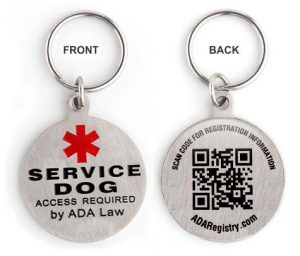
Custom Service Dog Tags

Official Dog Vests

Smart Vests
Official Public Access Kits
Complete Kits
USA & CANADA Letters

High Quality Bandanas
Service Dog Tags
Smart Tags

ESA TAGS