American Foxhound as a Therapy Dog
Register Any Breed
American Foxhound as a Therapy Dog Overview
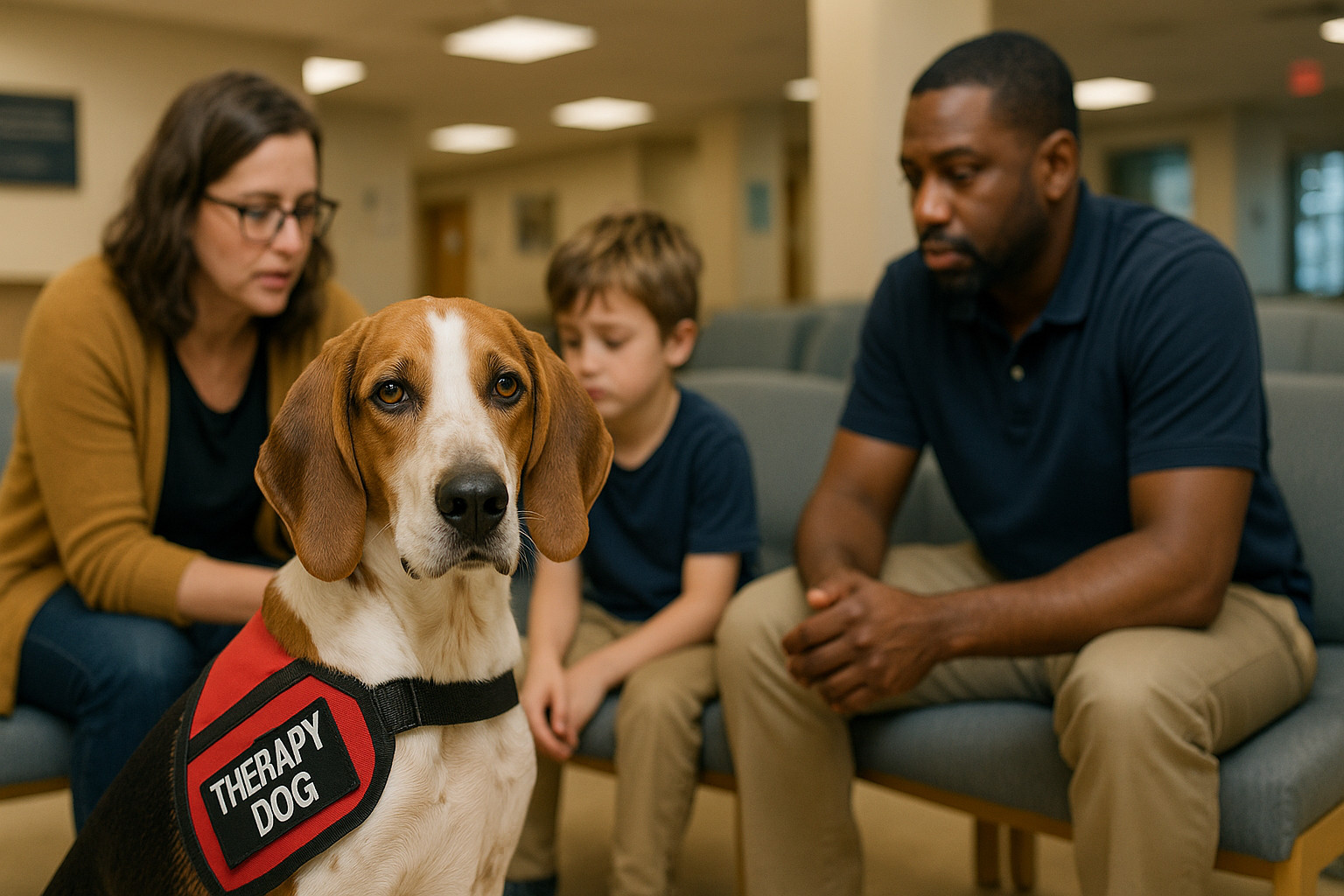
The American Foxhound, celebrated for its keen sense of smell and friendly disposition, exhibits traits that make it a potential candidate for therapy work. However, its suitability in therapeutic settings requires careful consideration of its unique temperament and behavioral characteristics. This guide explores the potential of the American Foxhound as a therapy dog and provides insights into its strengths and limitations within this important role.
Understanding the Therapy Dog Role
A therapy dog provides comfort and emotional support to individuals in various environments, such as hospitals, schools, and rehabilitation centers. Unlike service dogs, therapy dogs are not trained to perform specific tasks for their owners. Instead, they engage with multiple people to improve emotional wellness and facilitate healing. Key characteristics necessary for therapy dogs include patience, calmness, empathy, and adaptability to different environments and stimuli.
Physical Appearance and Energy Level
The American Foxhound is a medium to large-sized breed known for its athletic build and stamina. It typically stands between 21 to 25 inches tall and weighs around 60 to 70 pounds. Its sleek, muscular physique enables it to cover long distances with ease, a trait valuable in therapeutic settings where movement between participants may be required.
However, its high energy levels can present challenges in calm environments. Proper exercise routines are essential for harnessing its energy without overwhelming the therapeutic atmosphere. A well-exercised American Foxhound can remain composed and gentle, essential qualities for therapy work.
Personality and Emotional Intelligence
The American Foxhound is inherently amiable and social, often forming quick bonds with people. Its emotional intelligence enables it to sense and respond to human emotions effectively, providing comfort to those in need. This breed thrives on interaction, exuding warmth and loyalty in various social settings.
Despite its friendly nature, this breed's independent streak, inherited from its history as a hunting hound, may occasionally result in distracted behavior. Consistent training and positive reinforcement techniques can enhance its focus and responsiveness in therapy scenarios, ensuring meaningful engagements with those they serve.
Environments Where American Foxhound Excels
The American Foxhound's adaptability allows it to excel in diverse environments. Its sociable nature makes it suitable for settings where interaction with multiple individuals is required. Environments such as schools, outpatient rehabilitation centers, and community events can greatly benefit from the presence of this breed.
Register Any Breed
- Pros for specific environments:
- Schools: The breed's playful and friendly demeanor makes it ideal for interacting with children, offering them comfort and companionship.
- Rehabilitation centers: Its energy can motivate individuals, encouraging mobility and engagement in physical activities.
- Cons for specific environments:
- Hospital settings: The breed's energy levels may need careful control to avoid disrupting quiet and serene environments necessary for patient recovery.
Common Therapy Settings
The American Foxhound can perform well in various therapy settings, each offering unique challenges and opportunities:
- Educational institutions: Interaction with young students helps improve social skills and build confidence through non-judgmental companionship.
- Assisted living facilities: Engaging with elderly residents provides emotional support and reduces feelings of loneliness and isolation.
- Rehabilitation programs: Participating actively can aid in emotional recovery and physical rehabilitation processes.
Interactions with Different Populations
American Foxhounds form positive connections with different population groups, thanks to their gentle demeanor and keen perception of human emotions. Their interactions often promote emotional well-being and enhance quality of life.
- Working with children: Their playful nature and patient demeanor make them excellent companions for kids, encouraging developmental milestones through shared activities.
- Engaging adults: Their ability to offer unconditional support aids in stress reduction and emotional balance, fostering a sense of calm in the participants.
- Supporting the elderly: They can alleviate loneliness, stimulate social interaction, and even positively influence cognitive function in senior citizens.
Health and Wellness Factors
Overall, the American Foxhound is a hearty breed with a good health profile, traits that are beneficial for therapy roles. Regular veterinary care, a well-balanced diet, and routine exercise ensure they remain fit and able to fulfill their duties without complications.
#### Lifespan and Common Health Issues
With a lifespan averaging 11 to 13 years, proper care can help prevent or manage common health concerns such as hip dysplasia, ear infections, and obesity. Regular checkups and a tailored health regimen can prolong the active participation of American Foxhounds in therapy settings.
Maintenance and Care Needs
The American Foxhound's short coat is relatively low maintenance, requiring only periodic grooming to maintain cleanliness and hygiene. However, due to its high energy levels, daily exercise is crucial to prevent boredom and associated behavioral issues. A commitment to their physical and emotional well-being ensures they remain effective therapy companions.
Training and Certification Readiness
Achieving certification as a therapy dog involves passing evaluations to demonstrate behaviors indicative of a calm and well-mannered canine companion. The American Foxhound's intelligence and eagerness to please favorably predispose it to training.
#### Learning Style and Responsiveness
The American Foxhound learns quickly when engaged with positive reinforcement techniques. Trainers should leverage the breed's high intelligence and motivation for treats and praise to create a structured training framework that emphasizes consistency and patience.
Handling Social and Emotional Stimuli
A key aspect of therapy work is navigating various emotional and social stimuli. American Foxhounds possess a calm temperament and immense patience, which helps them engage with individuals exhibiting diverse emotional states effectively. Their ability to remain unfazed by noisy or busy environments ensures they stay focused on their therapy role.
Strengths, Limitations, and Ideal Roles for American Foxhound
- Strengths:
- High emotional intelligence and empathy levels contribute to effective therapeutic engagement.
- Sociable and approachable demeanor makes them ideal for interactive environments.
- Limitations:
- Requires significant exercise and mental stimulation to avoid restlessness.
- May become distracted; strong training foundations are essential.
- Ideal Roles:
- Educational programs, community outreach, and rehabilitation environments exploit their affinity for social interaction and active participation.
Final Thoughts
In conclusion, the American Foxhound's blend of empathy, energy, and intelligence provides a foundation for success as a therapy dog. With proper care, exercise, and training, it can offer invaluable support to those in need. However, trainers and guardians must remain cognizant of the breed's exercise requirements and potential for distraction, ensuring these factors do not impede therapy work. As a compassionate guide, this overview serves to enlighten those considering the American Foxhound for therapy work, encompassing their strengths and mindful of their unique needs.
Key Takeaways for the American Foxhound as a Therapy Dog
- Best suited for: Schools, rehabilitation centers, community programs
- Not ideal for: Hospital settings or environments requiring prolonged stillness
- Temperament highlights: Sociable, empathetic, and intelligent
- Care and health notes: Requires regular exercise and routine health checks; manageable grooming needs
- Therapy environments where they shine: Educational and active rehabilitation settings


-
Public Access Kits
$149.00 Learn more This product has multiple variants. The options may be chosen on the product page -
Quick Ship Premium Vests
$48.00 – $82.00 Learn more This product has multiple variants. The options may be chosen on the product page -
Service Dog Bandana
$39.95 Learn more This product has multiple variants. The options may be chosen on the product page
Custom ID Cards

Custom ID Cards
All States

Canada Cards

Custom Service Dog Tags
Official Dog Vests

Smart Vests
Official Public Access Kits
Complete Kits
USA & CANADA Letters
High Quality Bandanas
Service Dog Tags
Smart Tags

ESA TAGS