American Staffordshire Terrier as a Therapy Dog
Register Any Breed
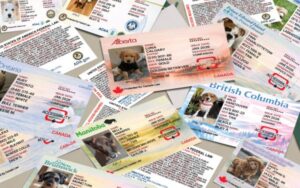
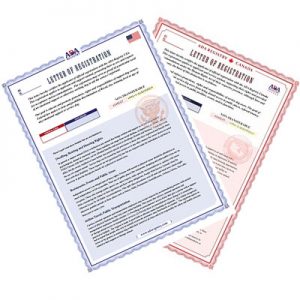
Example Cards: Available In USA And Canada
American Staffordshire Terrier as a Therapy Dog Overview
The American Staffordshire Terrier, often misunderstood due to historical stereotypes, is a breed that possesses a gentle and adaptable nature, making it a wonderful candidate for therapy work. Their affectionate temperament, empathy, and resilience can create significant impacts in a range of therapeutic settings. This article delves into the American Staffordshire Terrier’s potential as a therapy dog, exploring their temperament, behavior, care needs, and their capacity to provide emotional support in diverse environments.
Understanding the Therapy Dog Role
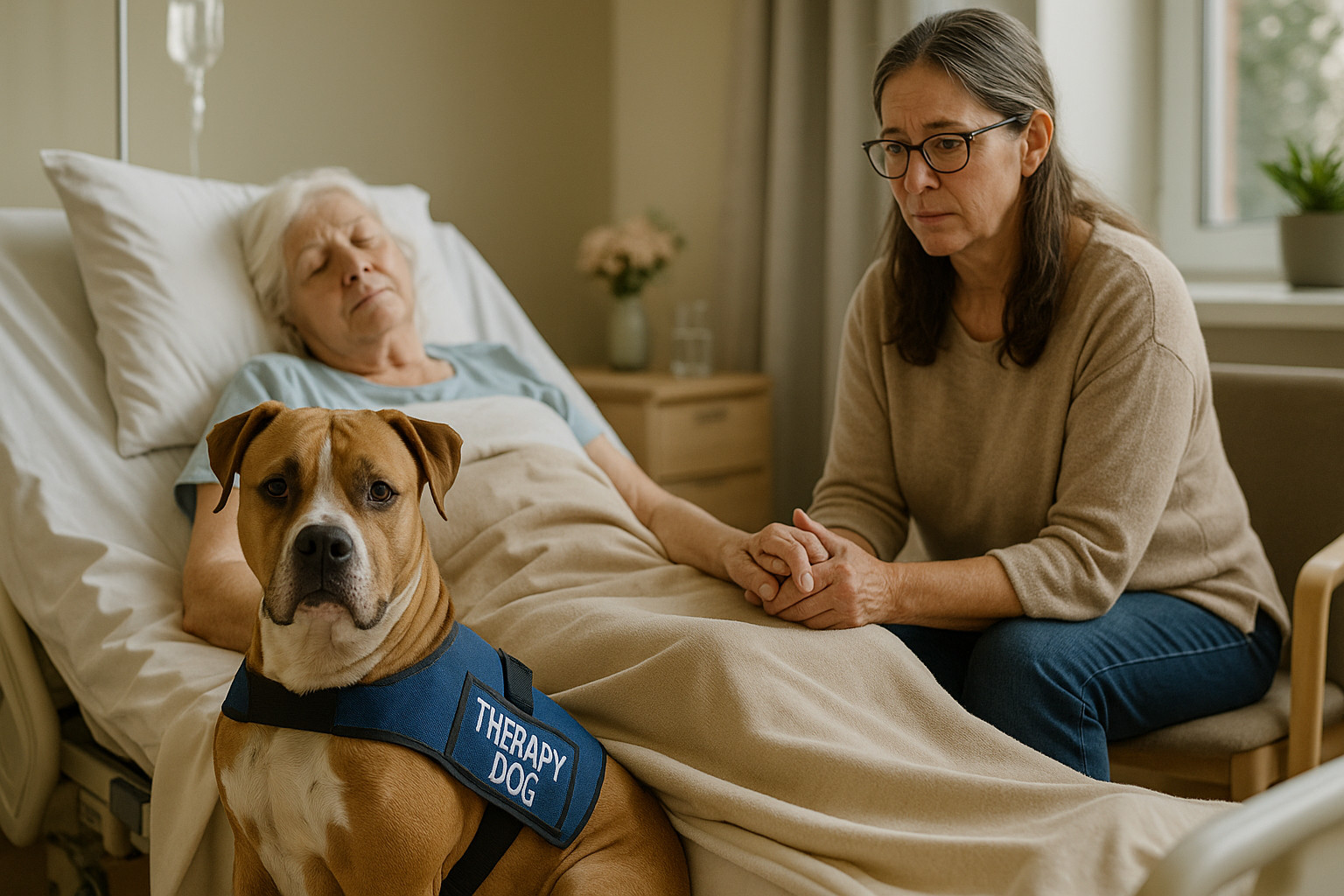
A therapy dog's primary responsibility is to provide comfort, affection, and joy to individuals in various settings such as hospitals, schools, and retirement homes. Unlike service dogs, therapy dogs are not trained to perform specific tasks for individuals with disabilities. Instead, their role is to offer emotional support and companionship, facilitating therapeutic benefits for those they interact with. The American Staffordshire Terrier’s loving nature and eagerness to please make them exemplary candidates for these roles, contributing positively to the emotional well-being of the people they meet.
Physical Appearance and Energy Level
The American Staffordshire Terrier is a medium-sized dog with a muscular build, typically weighing between 40 to 70 pounds. Their well-defined physique and strength are balanced by a surprising level of agility and grace. This physical robustness enables them to withstand the demands of therapy work, including frequent interactions that require endurance. Their energy level is moderate to high, which suits environments where they can engage in both energetic play and calm interactions. Their physical endurance also means they can spend extended periods socializing, which is beneficial for therapeutic visits.
Personality and Emotional Intelligence
Known for their affectionate and friendly demeanor, American Staffordshire Terriers exhibit a remarkable level of emotional intelligence. They are often sensitive to human emotions, effortlessly sensing distress or the need for comfort in individuals around them. Their natural inclination towards human interaction and their gentle disposition allow them to form deep, meaningful connections with people in therapeutic environments. These dogs are not only intuitive but also highly adaptable, showcasing patience and understanding in diverse situations and responding appropriately to subtle emotional cues.
Environments Where American Staffordshire Terrier Excels
The American Staffordshire Terrier excels in environments that require consistent interaction and engagement. Their ability to adapt to different surroundings makes them versatile therapy dogs:
- Hospitals and Rehabilitation Centers: Their calming presence can soothe patients and encourage positive interactions, supporting recovery and emotional relaxation.
- Schools: Their playfulness and affection make them excellent companions for children, especially in settings designed for learning or emotional therapy.
- Nursing Homes: Their gentle demeanor and loving nature provide comfort and companionship to elderly individuals, potentially alleviating the loneliness often experienced in these settings.
Common Therapy Settings
In therapy settings, these dogs exhibit unique strengths:
- Emotional Support Groups: Their empathetic nature encourages openness and emotional expression among group members.
- Pediatric Wards: Their friendly and non-threatening appearance helps reduce anxiety and fear in children.
- Mental Health Facilities: They offer grounding physical interaction and emotional reassurance to individuals dealing with anxiety, depression, and other psychiatric disorders.
Interactions with Different Populations
The American Staffordshire Terrier’s empathetic nature enables them to connect with a broad spectrum of individuals, from children to the elderly, as well as those with varying emotional needs. Their calm yet playful demeanor allows them to engage with children effectively, offering both joy and emotional support. With adults and the elderly, their gentle strength and silent companionship provide solace and comfort, fostering feelings of safety and trust. Importantly, they are adept at adjusting their behavior according to the levels of activity and engagement required by different individuals.
Register Any Breed
Example Cards: Available In USA And Canada
Health and Wellness Factors
Ensuring the health and wellness of the American Staffordshire Terrier is crucial for their effectiveness as therapy dogs. Regular veterinary check-ups, a balanced diet, and consistent exercise contribute to their overall well-being, enabling them to perform optimally in therapy settings. Routine health assessments are essential to detect any issues early, ensuring their physical capability remains intact for therapy sessions. Their short coat requires minimal grooming, though regular brushing helps reduce shedding and maintain cleanliness, important for interactions in healthcare settings.
Lifespan and Common Health Issues
American Staffordshire Terriers typically enjoy a lifespan of 12 to 16 years. Common health issues include hip dysplasia, allergies, and some cardiac concerns. Awareness of these potential health problems is important for therapy dog handlers to ensure that engagements do not exacerbate any existing conditions. Early diagnosis and management of health concerns will help maintain their ability to fulfill therapy roles comfortably and safely, without risk to their own health or to those they interact with.
Maintenance and Care Needs
Proper care for the American Staffordshire Terrier involves maintaining a healthy lifestyle through:
- Diet: A well-balanced diet tailored to their age, weight, and health requirements.
- Exercise: Regular physical activity to manage their energy levels and prevent obesity.
- Grooming: Although minimal, grooming should be consistent to maintain hygiene, especially before visits to sensitive environments like hospitals.
These measures ensure they remain in optimal condition for their therapy duties, maintaining their readiness to offer compassion and comfort.
Training and Certification Readiness
Training American Staffordshire Terriers for therapy roles involves positive reinforcement techniques due to their eager-to-please nature. Building on their natural empathy and intelligence, basic obedience training is critical, followed by specialized training that prepares them for various therapy settings. Their ability to respond well to commands and adapt to different scenarios aids significantly in acquiring therapy dog certification, a process that assesses their suitability through behavior evaluation in controlled settings.
Learning Style and Responsiveness
American Staffordshire Terriers are quick learners who enjoy mental stimulation. They thrive under training regimes that challenge their cognitive capabilities while reinforcing their social skills. Their willingness to learn and respond positively to training exercises make them highly reliable in therapy roles. This trait contributes significantly to their ability to navigate complex social environments and respond to the needs of individuals around them effectively, thus enriching their therapeutic impact.
Handling Social and Emotional Stimuli
Navigating social and emotional stimuli is an area where the American Staffordshire Terrier shines. They manage to balance their instinctive curiosity with the calmness required in therapeutic environments. Their ability to discern emotional cues and adjust their behavior accordingly allows them to thrive in settings where diverse emotional responses are present. While their sociable disposition attracts attention, they also understand when a non-intrusive presence is needed, showcasing their versatility in emotional intelligence.
Strengths, Limitations, and Ideal Roles for American Staffordshire Terrier
The American Staffordshire Terrier boasts several strengths as a therapy dog, including their empathetic nature, adaptability, and a strong affinity for human interaction. However, some limitations might include overcoming public prejudice or assumptions about the breed and managing their moderate-to-high energy levels in more subdued settings. Ideally, they are best suited for roles that leverage their loving nature and adaptability, such as hospital therapy dog programs or school-based therapy initiatives, where their playful yet calming influence can be fully harnessed.
Final Thoughts
The American Staffordshire Terrier exudes qualities that make it an excellent therapy dog, offering emotional benefits across various settings. By understanding this breed’s unique characteristics and maintaining their health and training needs, they can be valuable assets in therapy roles. These terriers demonstrate an exceptional capacity to provide warmth, comfort, and joy to those they encounter, enriching lives through their compassionate service.
Key Takeaways for the American Staffordshire Terrier as a Therapy Dog
- Best suited for: Hospitals, schools, rehabilitation centers, and nursing homes.
- Not ideal for: Environments where misconceptions about the breed could pose challenges.
- Temperament highlights: Empathetic, affectionate, adaptable, and playful.
- Care and health notes: Regular veterinary care, exercise, and minimal grooming required.
- Therapy environments where they shine: Emotional support groups, pediatric wards, and mental health facilities.
The American Staffordshire Terrier stands ready to transcend stereotypes, providing significant therapeutic benefits with their loyalty and affection, proving to be a compassionate companion in the realm of therapy work.


-
Public Access Kits
$149.00 Learn more This product has multiple variants. The options may be chosen on the product page -
Quick Ship Premium Vests
$48.00 – $82.00 Learn more This product has multiple variants. The options may be chosen on the product page -
Service Dog Bandana
$39.95 Learn more This product has multiple variants. The options may be chosen on the product page
Custom ID Cards

Custom ID Cards
All States
Canada Cards
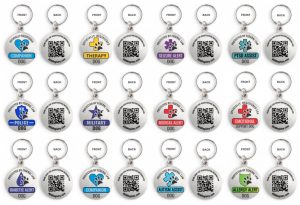
Custom Service Dog Tags
Official Dog Vests
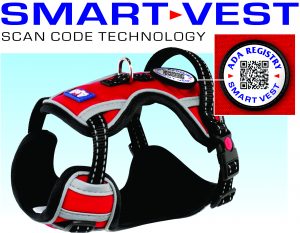
Smart Vests
Official Public Access Kits
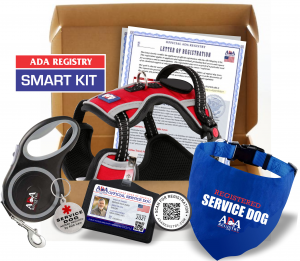
Complete Kits
USA & CANADA Letters
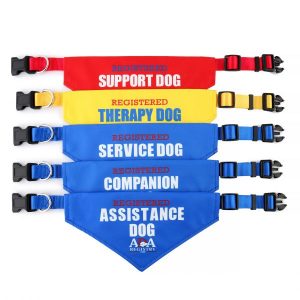
High Quality Bandanas
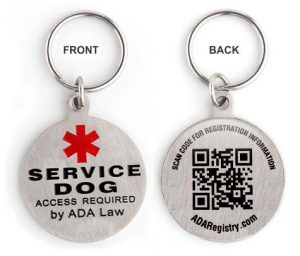
Service Dog Tags
Smart Tags
ESA TAGS