American Water Spaniel as a Therapy Dog
Register Any Breed
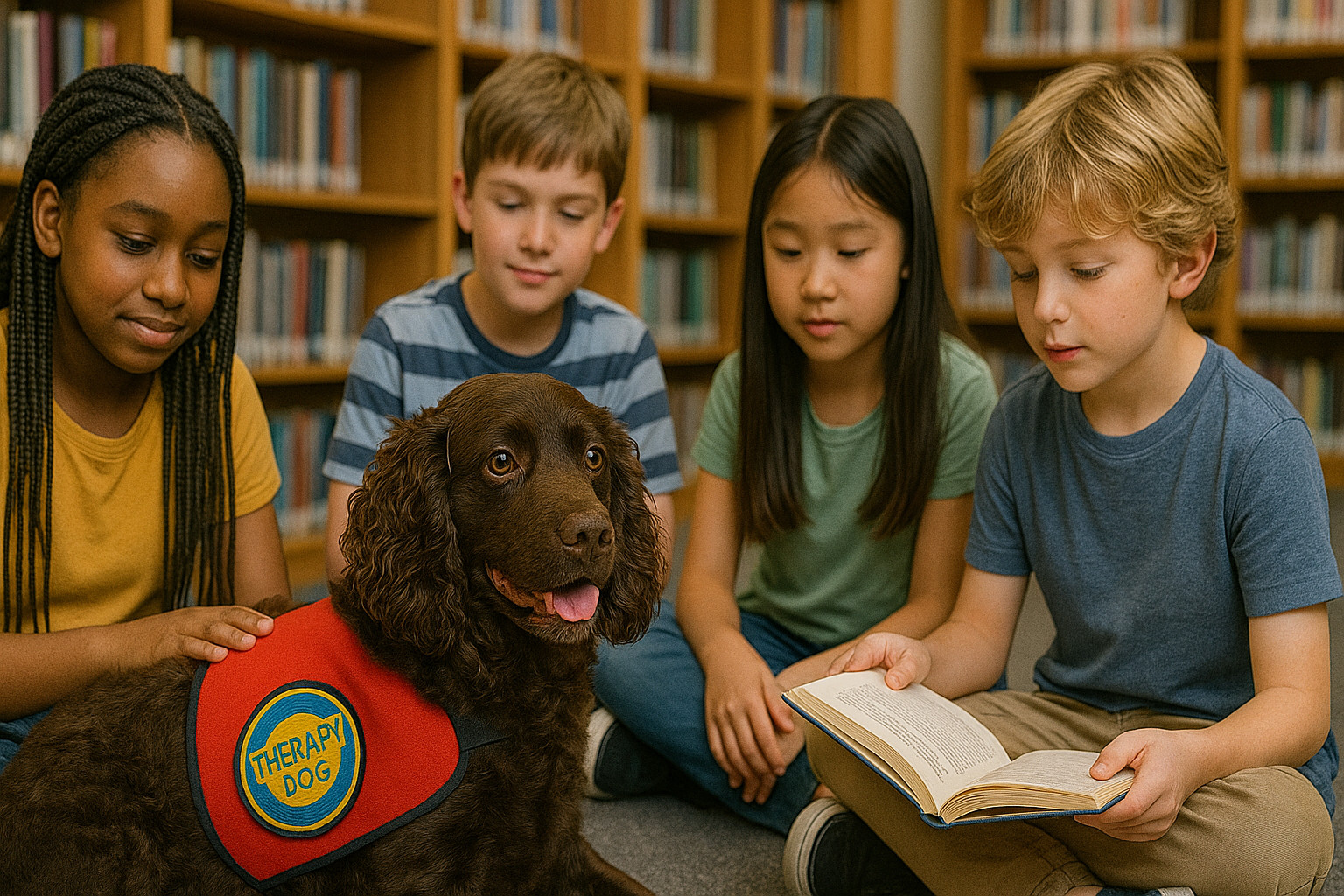
The American Water Spaniel is a versatile and intelligent breed, making them a promising candidate as a therapy dog. Known for their friendly demeanor and adaptability, these dogs can bring comfort and joy in various therapy settings. This article will explore the various aspects of the American Water Spaniel's suitability as a therapy dog, from their temperament to their health and grooming considerations.
American Water Spaniel as a Therapy Dog Overview
Understanding the Therapy Dog Role
Therapy dogs provide emotional support and comfort to individuals in a variety of settings, such as hospitals, schools, rehabilitation centers, and nursing homes. Unlike service dogs, therapy dogs are not trained to perform specific tasks for individuals with disabilities. Instead, their primary role is to offer companionship and reduce stress and anxiety through their presence.
For a breed to be effective in such roles, it must exhibit specific traits, such as calmness, empathy, and adaptability. The American Water Spaniel possesses many of these attributes, which help them succeed as therapy dogs. Their innate ability to tune into human emotions allows them to provide psychological relief and comfort, making them highly effective in therapeutic environments.
Physical Appearance and Energy Level
The American Water Spaniel is a medium-sized dog with a sturdy build and an appealing curly coat. Their distinctive physical appearance, characterized by a water-resistant coat, adds to their charm and approachability. The energy level of an American Water Spaniel is moderate, which is well-suited for therapy work as it allows them to engage actively with individuals without becoming overly excitable or restless.
In therapy settings, their manageable size and energy make them ideal for interacting with patients, as they can be easily accommodated in different spaces, from the bedside in a hospital room to a gym setting in a rehabilitation center. Their adaptable energy ensures they can engage actively while also knowing when to remain calm and stationary.
Personality and Emotional Intelligence
One of the standout traits of the American Water Spaniel is its friendly and outgoing personality. Their social nature makes them keenly attuned to human emotions, exhibiting high levels of empathy and emotional intelligence. This trait is critical in therapy dog settings as it allows the dog to respond suitably to the emotional state of those they interact with.
Their bond with humans is characterized by loyalty and affection, which strengthens the therapeutic relationship between the patient and the dog. They can sense when people are stressed or upset and often respond by offering physical closeness or a comforting presence, which can be therapeutically beneficial in a variety of contexts.
Register Any Breed
Environments Where American Water Spaniel Excels
American Water Spaniels excel in environments where interaction and engagement are essential. Their social demeanor and adaptability allow them to perform well in varying settings:
- Hospitals: Their calm presence can soothe patients undergoing treatment, providing comfort and diversion from medical procedures.
- Schools: Their playful yet gentle nature makes them favorites among children, including in special education contexts or during literacy programs where reading to a dog can improve student confidence.
- Rehabilitation Centers: Their energy can encourage physical activity in patients requiring rehabilitation, while their gentle demeanor can relax those needing emotional support.
Their adaptability to different environments and scenarios makes them ideal for therapy work, especially where the environment can change rapidly or holds a diverse range of stimuli.
Common Therapy Settings
The versatility of the American Water Spaniel makes them suitable for numerous therapy settings. Their moderate size and amiable disposition enable them to function effectively in dynamic environments where varied therapeutic interactions occur:
- Hospitals and Clinics: Providing companionship and comfort to both patients and healthcare staff.
- Educational Institutions: Assisting in reading programs and providing emotional support to students.
- Nursing Homes: Offering solace and companionship to the elderly, reducing loneliness and depression.
- Mental Health Facilities: Helping break the ice with patients, fostering an environment of trust.
Their ability to adapt to different environments ensures that they can provide consistent therapeutic benefits to a range of demographics.
Interactions with Different Populations
The American Water Spaniel's empathetic nature and friendliness make them adept at interacting with diverse populations:
- Children: Their playful yet gentle demeanor makes them approachable for children of all ages.
- Elderly Individuals: Their patience and calmness are ideal for interacting with the elderly, easing feelings of loneliness.
- Individuals with Special Needs: Their intuitive understanding of human emotions allows them to provide targeted emotional support to those with special needs or mental health challenges.
This adaptability in interacting with different human demographics enhances their effectiveness in delivering therapeutic outcomes.
Health and Wellness Factors
When considering an American Water Spaniel for therapy work, it is essential to evaluate their health and wellness requirements. As an active breed, they need regular exercise to stay physically and mentally fit. Regular veterinary care, a balanced diet, and consistent grooming are necessary to maintain their health.
- Exercise Needs: Regular, moderate exercise ensures they remain healthy and engaged.
- Grooming: Regular grooming is necessary to maintain their curly coat, preventing matting and ensuring skin health.
- Health Maintenance: Routine check-ups and vaccinations are crucial for preventing illness and ensuring the safety of the people they interact with during therapy sessions.
Maintaining these wellness standards is critical to ensuring they remain effective and safe as therapy dogs.
Lifespan and Common Health Issues
American Water Spaniels have a typical lifespan of 10 to 14 years. However, like many breeds, they can be prone to certain health issues that could impact their ability to perform therapy work.
- Hip Dysplasia: A common condition in medium-sized dogs that can affect mobility.
- Eye Disorders: Such as cataracts, which can affect vision as they age.
- Skin Conditions: Due to their dense coat, they can be prone to skin infections if not properly groomed.
Regular veterinary care is essential for early detection and management of these conditions, ensuring the dog can perform therapy duties without discomfort.
Maintenance and Care Needs
Proper maintenance and care are essential for the American Water Spaniel to thrive as a therapy dog:
- Grooming: Their coat requires regular brushing to prevent matting and to maintain cleanliness.
- Exercise: A consistent routine of physical activity helps manage their energy levels and keeps them healthy.
- Nutrition: A balanced diet is vital to support their energy needs and overall health.
These maintenance practices ensure that they remain healthy and are always prepared for therapy work.
Training and Certification Readiness
Training an American Water Spaniel for therapy work involves reinforcing their natural traits while ensuring they meet certification requirements. Their intelligence and eagerness to please simplify the training process, but consistency is key.
- Positive Reinforcement: Using treats and praise works effectively due to their responsive nature.
- Socialization: Early and ongoing exposure to diverse environments and populations fosters adaptability.
- Obedience Training: Establishing a foundation in basic commands ensures controlled behavior in therapy settings.
Once trained, they can undergo testing for certification through recognized organizations to ensure they meet all standards as therapy dogs.
Learning Style and Responsiveness
American Water Spaniels have a keen ability to learn and respond to training due to their intelligence and desire to please. Their learning style benefits from:
- Consistency and Routine: Helps them learn commands and behaviors reliably.
- Varied Environments: Keeps them adaptable and responsive to different settings and stimuli.
Their responsive nature enables them to quickly adapt and react to the therapeutic environment, making them efficient therapy companions.
Handling Social and Emotional Stimuli
The breed's capability to handle social and emotional stimuli is unmatched. Their sensitivity to human emotions makes them excellent at offering support without becoming overwhelmed.
- Sensitivity to Emotion: They can detect and respond appropriately to someone's emotional state.
- Social Engagement: Thriving on interaction, they effectively engage with individuals needing support.
This emotional capability enhances their effectiveness as therapy dogs by ensuring they remain calm and provide comfort in high-stress situations.
Strengths, Limitations, and Ideal Roles for American Water Spaniel
The American Water Spaniel's strengths in therapy settings include their friendly nature, empathetic demeanor, and adaptability. However, their limitations may arise from potential health issues or grooming needs that require attention.
Strengths:
- Empathetic and emotionally intelligent.
- Adaptable in varied environments.
- Friendly and approachable across demographics.
Limitations:
- Requires regular grooming.
- Potential health issues can limit working capacity.
They ideally suit roles that involve regular interaction, such as children's programs or elder companionship, where their energy and empathy can be best utilized.
Final Thoughts
The American Water Spaniel's blend of intelligence, adaptability, and warmth makes them exceptional therapy dogs. While their grooming needs and potential health issues require careful management, their capacity to bring comfort and joy to individuals across a range of settings is undeniable. Their effectiveness as therapy companions comes not just from their training but from their innate ability to connect with and support those in need.
Key Takeaways for the American Water Spaniel as a Therapy Dog
- Best suited for: Child-focused therapy programs, elder companionship, educational settings.
- Not ideal for: Environments where high grooming maintenance could be an issue.
- Temperament highlights: Friendly, empathetic, adaptable, with a moderate energy level.
- Care and health notes: Regular exercise and grooming are essential; watch for hip and eye health issues.
- Therapy environments where they shine: Hospitals, schools, rehabilitation centers, nursing homes.
In conclusion, the American Water Spaniel is a highly capable therapy dog breed, well-suited to bring happiness and emotional relief to individuals in various therapeutic environments. Their combination of empathy, adaptability, and intelligence makes them a valuable asset to any therapeutic team.


-
Public Access Kits
$149.00 Learn more This product has multiple variants. The options may be chosen on the product page -
Quick Ship Premium Vests
$48.00 – $82.00 Learn more This product has multiple variants. The options may be chosen on the product page -
Service Dog Bandana
$39.95 Learn more This product has multiple variants. The options may be chosen on the product page
Custom ID Cards

Custom ID Cards
All States

Canada Cards

Custom Service Dog Tags
Official Dog Vests

Smart Vests
Official Public Access Kits
Complete Kits
USA & CANADA Letters
High Quality Bandanas
Service Dog Tags
Smart Tags

ESA TAGS