Anatolian Shepherd Dog as a Therapy Dog
Register Any Breed
Anatolian Shepherd Dog as a Therapy Dog Overview
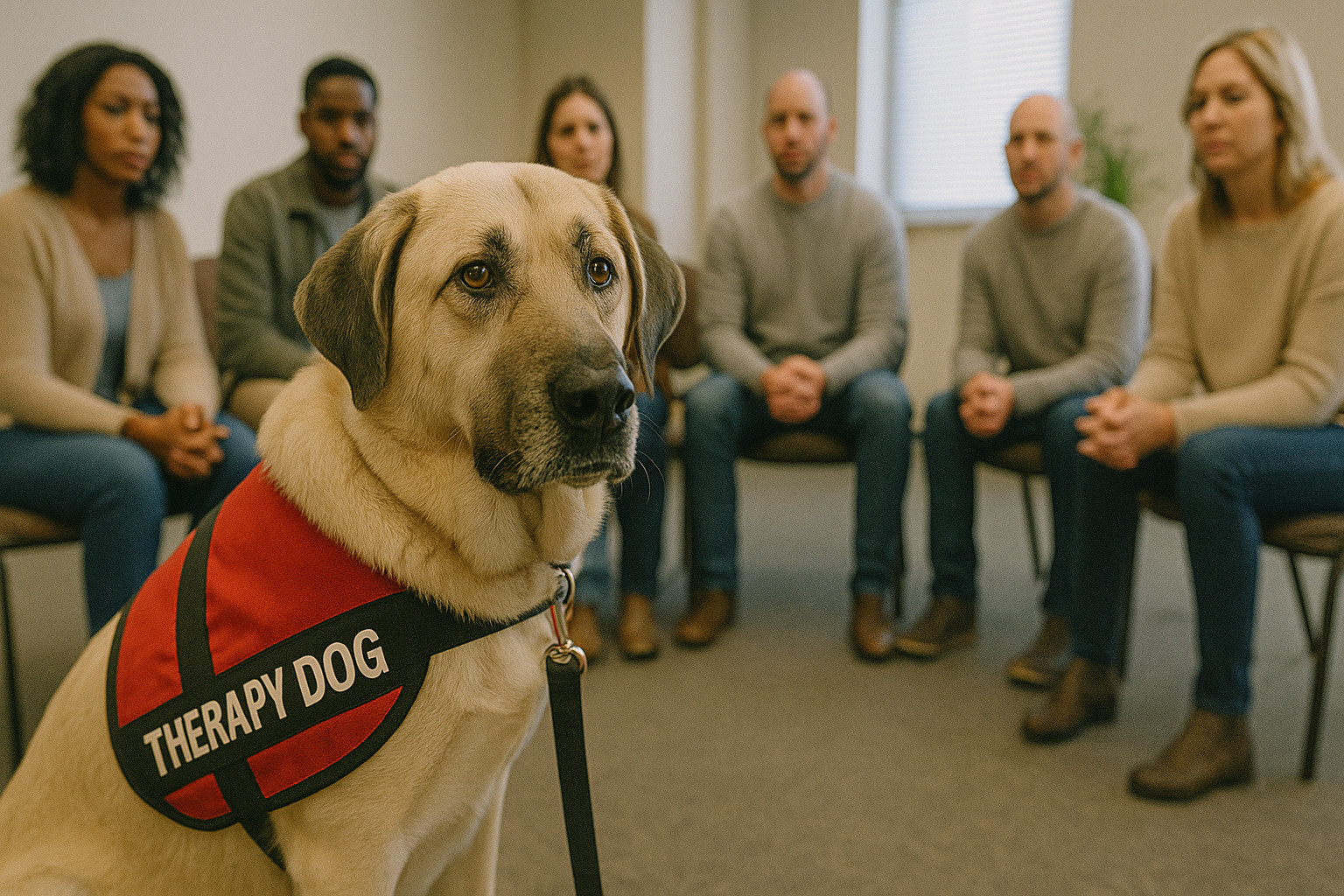
The Anatolian Shepherd Dog is a breed more commonly known for its guarding instincts and work as a livestock protector. However, when trained and directed appropriately, their unique traits can also lend themselves well to therapy dog roles. This article delves into the various aspects that make the Anatolian Shepherd Dog a potential candidate for therapy work, focusing on temperament, behavior, and adaptability in varied environments.
Understanding the Therapy Dog Role
Therapy dogs provide emotional support and comfort to individuals in healthcare settings, schools, and nursing homes. Unlike service dogs, which perform specific tasks for individuals with disabilities, therapy dogs serve as companions that foster a therapeutic atmosphere through social interactions. The ideal therapy dog is calm, friendly, reliable, and able to navigate diverse environments while respecting the emotional needs of the people they interact with.
Physical Appearance and Energy Level
The Anatolian Shepherd Dog is a large and majestic breed, typically standing between 27 to 29 inches tall and weighing between 80 to 150 pounds. Their imposing size often demands space to move and rest, which could influence their utility in therapy environments. Nevertheless, their energy level, which is moderate compared to other working breeds, makes them manageable in settings requiring calm demeanor.
- Pros:
- Stately presence can instill a sense of protection and security.
- Moderate energy levels suitable for controlled environments.
- Cons:
- Large size could be intimidating to some individuals.
- Requires ample space and rest areas within therapy settings.
Personality and Emotional Intelligence
The Anatolian Shepherd Dog possesses notable emotional intelligence, primarily due to its historic role as a guardian of livestock. These dogs are vigilant, discerning, and capable of forming close attachments to their human caregivers. Their instinct to protect can translate into a nurturing sensibility, conducive to therapeutic settings.
- Pros:
- High emotional sensitivity often enables nuanced responses to human emotions.
- Strong bonds formed with handlers can enhance therapeutic effectiveness.
- Cons:
- May require extensive socialization to overcome protective instincts in diverse settings.
Environments Where Anatolian Shepherd Dog Excels
The versatility of the Anatolian Shepherd Dog allows it to excel in various therapy environments. However, certain settings complement their traits better than others. Their calm and composed nature suits environments with fewer disruptions, such as:
- Rehabilitation centers where consistency is crucial.
- Facilities with larger open spaces, like some therapeutic riding centers.
Common Therapy Settings
Interactions with Different Populations
The Anatolian Shepherd Dog’s unique trait combinations make it suitable for interactions with adults requiring companionship and support. Given their size and presence, they can be particularly beneficial in working with individuals suffering from anxiety or isolation, offering a steady, grounding presence.
- Beneficial for:
- Adults or adolescents in rehabilitation centers.
- Individuals with anxiety issues, benefiting from the dog’s calming influence.
- Less suitable for:
- Very young children or individuals with a fear of large animals.
Health and Wellness Factors
Lifespan and Common Health Issues
The Anatolian Shepherd Dog typically enjoys a lifespan ranging from 11 to 13 years. However, like many large breeds, they can suffer from specific health issues that may impact their therapy capabilities.
Register Any Breed
- Common Health Concerns:
- Hip dysplasia
- Hypothyroidism
- Potential eye conditions
Regular veterinary check-ups are vital to maintaining their well-being and ensuring they remain fit to carry out therapy roles.
Maintenance and Care Needs
Caring for an Anatolian Shepherd Dog involves regular grooming due to their thick double coat, which sheds seasonally. Regular brushing helps maintain their coat and also provides an opportunity for handlers to bond with the dog, adding to the trust and rapport necessary for effective therapy work.
- Care Considerations:
- Requires regular grooming to prevent matting and manage shedding.
- Needs consistent exercise to maintain physical and mental health.
Training and Certification Readiness
Learning Style and Responsiveness
Anatolian Shepherds are intelligent and independent thinkers. While this independence can prove challenging, it also means they are capable of learning complex protocols necessary for therapy work. Training should focus on reinforcing positive behaviors and socialization from a young age.
- Training Traits:
- Quick learners but may require patient, consistent training techniques.
- Benefit from early socialization to enhance adaptability in social settings.
Handling Social and Emotional Stimuli
Adaptability in diverse emotional and social settings is crucial for a therapy dog. The Anatolian Shepherd Dog’s protective nature should be redirected through positive reinforcement, aiding them in remaining open and friendly during therapy sessions.
- Responsive to:
- Clear instructions and consistent routines.
- Positive reinforcement strategies to manage high-stimulation environments.
Strengths, Limitations, and Ideal Roles for Anatolian Shepherd Dog
Anatolian Shepherd Dogs are best suited for environments that appreciate their loyal and calming presence. They excel in settings where their size and natural demeanor can bolster the therapeutic approach. However, handlers must consider their large size, need for socialization, and grooming requirements.
Strengths:
- Empathetic nature supports emotionally sensitive roles.
- Observant and reassuring, ideal in stress-reduction settings.
Limitations:
- Large size may not fit all therapy environments.
- Requires diligent training to curb protective instincts.
Final Thoughts
In conclusion, the Anatolian Shepherd Dog, with its natural empathy, size, and calm demeanor, offers unique advantages for therapy roles. Though certain limitations exist, particularly their size and particular health needs, these dogs can thrive in specific therapy environments when provided with appropriate care, training, and socialization.
Key Takeaways for the Anatolian Shepherd Dog as a Therapy Dog
- Best suited for: Adult therapy settings, environments with larger spaces.
- Not ideal for: Young children, crowded or highly dynamic environments.
- Temperament highlights: Empathetic, observant, and calming presence.
- Care and health notes: Requires regular grooming and health checks.
- Therapy environments where they shine: Rehabilitation centers, facilities requiring a calming influence.


-
Public Access Kits
$149.00 Learn more This product has multiple variants. The options may be chosen on the product page -
Quick Ship Premium Vests
$48.00 – $82.00 Learn more This product has multiple variants. The options may be chosen on the product page -
Service Dog Bandana
$39.95 Learn more This product has multiple variants. The options may be chosen on the product page
Custom ID Cards

Custom ID Cards
All States
Canada Cards

Custom Service Dog Tags
Official Dog Vests
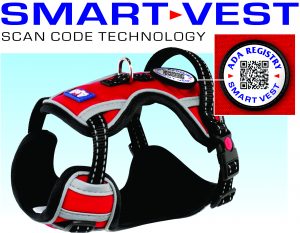
Smart Vests
Official Public Access Kits
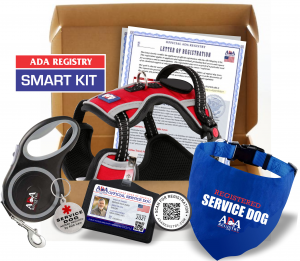
Complete Kits
USA & CANADA Letters
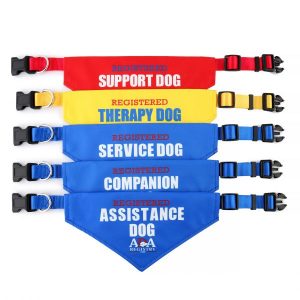
High Quality Bandanas
Service Dog Tags
Smart Tags

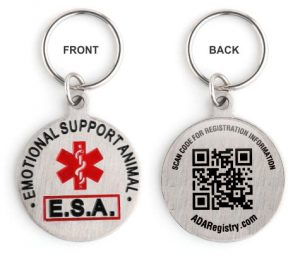
ESA TAGS