Anatolian Shepherd Dog as an Emotional Support Dog
Register Any Breed
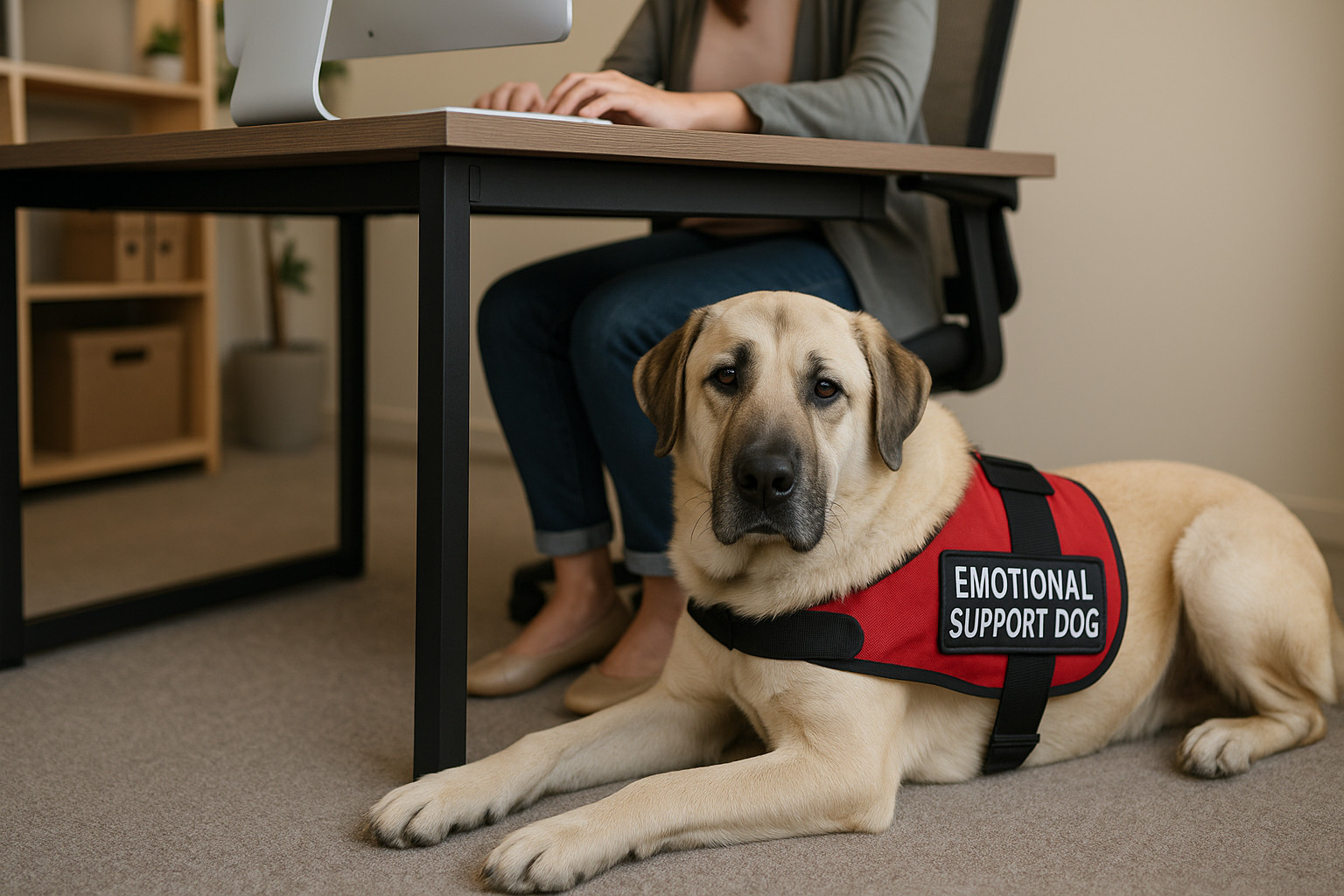
Understanding the Emotional Support Role
Emotional support animals (ESAs) provide companionship and comfort to individuals experiencing emotional or psychological challenges. The Anatolian Shepherd Dog, with its unique combination of size, temperament, and loyalty, stands out as a potential emotional support companion. In this comprehensive guide, we delve into why the Anatolian Shepherd Dog can be a suitable choice for emotional support, examining various aspects of its nature and care requirements.
Anatolian Shepherd Dog Overview
The Anatolian Shepherd Dog is a robust, dignified breed known for guarding livestock. Originating in Turkey, these dogs have long been used to protect flocks from predators. Their physical prowess is matched by a calm and steady demeanor, making them impressive yet approachable guardians. Generally weighing between 80 and 150 pounds, Anatolian Shepherds possess a leadership aura coupled with an inherent ability to stand by those who need support.
Temperament and Emotional Connection
At the core of the Anatolian Shepherd’s compatibility for emotional support is its temperament. Known for being loyal and protective, these dogs are deeply bonded with their owners. This breed's protective instincts naturally extend to offering emotional security, providing a reassuring presence to those in need of comfort. The Anatolian Shepherd is not overtly affectionate, which can be grounding for individuals who prefer subtle, yet profound, emotional connections.
- Empathy and sensitivity: The Anatolian Shepherd Dog does possess an acute sense of its owner's emotional state. This breed is sensitive enough to pick up on cues of distress or anxiety and will often stay close or engage in gentle nuzzling.
- Emotion reading: Its calm nature allows it to calmly assess situations, offering support where it's truly needed without overreacting to external stimuli, which helps in maintaining a grounded environment.
Adaptability and Daily Behavior
The energy level and daily behavior of the Anatolian Shepherd make it particularly effective as an ESA. They are capable of adjusting to the energy of a home and adapting their responses to it. However, their independent nature and need for occasional alone time means they won’t overwhelm their owners with constant attention, allowing for a balanced companionship.
- Energy moderation: Despite their large size, Anatolian Shepherds have moderate energy levels. They can keep up with active play but are also content to lie nearby as a calming presence.
- Routine adaptability: Their strong sense of routine and consistent behavior helps in creating structured environments, beneficial for individuals dealing with anxiety or mood disorders.
Situations Where Anatolian Shepherd Dog Provides Strong Support
An Anatolian Shepherd Dog excels in providing support during various scenarios:
- Stress and anxiety: Their naturally stable demeanor helps reduce stress and anxiety, offering a gentle calming presence through quiet companionship.
- Loneliness: Their loyalty ensures that individuals never feel alone. Even when not actively engaging, their presence is assuring.
- Transition periods: Whether moving homes, changing jobs, or other big life changes, this breed’s stability and calmness can ground their human companions.
Ideal Living Environments
The ideal home for an Anatolian Shepherd Dog as an emotional support animal varies depending on individual needs but generally includes:
- Spacious accommodation: Given their size, they thrive in environments with sufficient space for movement. Homes with fenced yards are ideal but apartments with nearby parks can also suffice if exercised regularly.
- Calm households: Quiet family homes work well, especially where the routine is valued and there's a need for subtle companionship rather than constant interaction.
Bonds with Different Types of People
Anatolian Shepherd Dogs excel at forming bonds with diverse individuals, thanks to their intuitive nature and adaptability:
Register Any Breed
- Families with children: They are generally protective and gentle with children, offering a comforting presence around younger family members.
- Single adults: Their independence is ideal for single adults needing companionship without overwhelming attention.
- Older adults: The breed’s stability can be comforting for seniors, especially in assisted living scenarios where space allows.
Health, Care, and Wellbeing
Common Health Considerations
While the Anatolian Shepherd Dog is generally healthy, there are several breed-specific health issues to be aware of:
- Hip dysplasia: A common issue in large breeds, regular vet check-ups are essential to catch early signs.
- Bloat: Due to their large chest, ensuring they eat small, controlled meals can mitigate risks.
- Thyroid problems: Regular blood work can help in diagnosing and managing potential thyroid issues.
Grooming, Comfort, and Maintenance Needs
Despite their thick, double coat, Anatolian Shepherds are relatively easy to groom:
- Coat maintenance: Regular brushing is key, especially during shedding season. This ensures the coat remains healthy and comfortable for both the dog and its owner.
- Comfort needs: Ensuring they have a comfortable place to rest and feel safe is important for their role as an ESA.
Preparing an Anatolian Shepherd Dog for Emotional Support Work
Socialization and Responsiveness
Socialization plays a critical role in preparing an Anatolian Shepherd for emotional support work:
- Early socialization: Introducing them to diverse situations, people, and animals helps in developing a well-rounded companion.
- Training consistently: Reinforcing basic commands ensures they behave predictably and reliably when providing emotional support.
Managing Stress and Emotional Cues
Anatolian Shepherds require an environment where stress is minimized for them to thrive as ESAs:
- Understanding cues: Recognizing their cues of stress or discomfort, such as panting or restlessness, allows owners to address their needs promptly.
- Providing routines: A structured routine helps them feel secure and reduces their stress, making their support more effective.
Strengths, Challenges, and Ideal Homes for Anatolian Shepherd Dog
The strengths of the Anatolian Shepherd as an ESA are complemented by some challenges to consider:
- Strengths: Loyalty, empathy, stability, and a grounding presence.
- Challenges: Strong-willed nature, potential size limitations indoors, need for regular exercise.
- Ideal homes: Families, singles, and seniors in moderately spacious homes or apartments with proximity to outdoor areas.
Final Thoughts
The Anatolian Shepherd Dog's calm and supportive nature makes it a compelling option for an emotional support animal. Its natural empathy and understanding of human emotions mean it can provide a unique and profound sense of companionship and stability for those in need.
Key Takeaways for the Anatolian Shepherd Dog as an Emotional Support Dog
- Best suited for: Individuals and families seeking a loyal, empathetic companion who offers stability and a calming presence.
- Not ideal for: Small apartments without access to outdoor space, owners unable to commit time to training and socialization.
- Emotional traits: Empathetic, sensitive, loyal, independent yet affectionate.
- Care and health notes: Requires regular grooming and health monitoring for breed-specific conditions.
- Environments where they provide the most comfort: Calm households needing subtle, profound companionship, especially with access to spacious outdoor areas.


-
Public Access Kits
$149.00 Learn more This product has multiple variants. The options may be chosen on the product page -
Quick Ship Premium Vests
$48.00 – $82.00 Learn more This product has multiple variants. The options may be chosen on the product page -
Service Dog Bandana
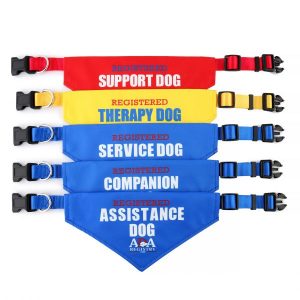
$39.95 Learn more This product has multiple variants. The options may be chosen on the product page
Custom ID Cards

Custom ID Cards
All States
Canada Cards

Custom Service Dog Tags
Official Dog Vests

Smart Vests
Official Public Access Kits
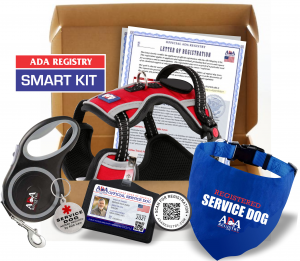
Complete Kits
USA & CANADA Letters
High Quality Bandanas
Service Dog Tags
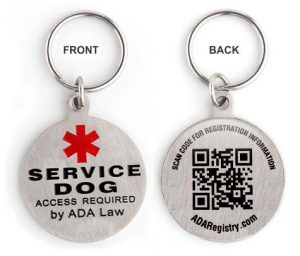
Smart Tags
ESA TAGS