Australian Cattle Dog as a Therapy Dog
Register Any Breed
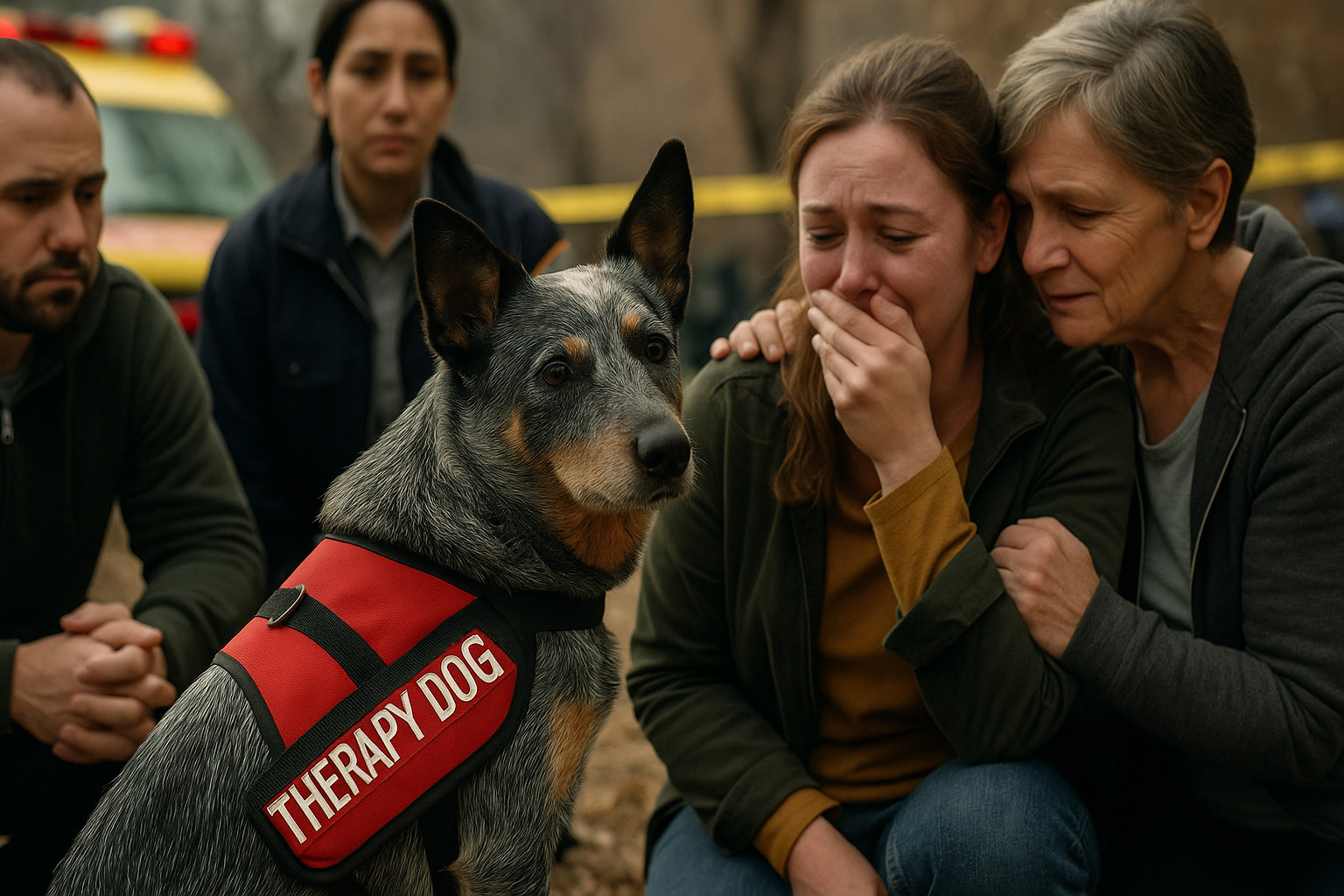
Therapy dogs play a crucial role in providing comfort and support to individuals in various settings. Among the diverse breeds used in animal-assisted therapy, the Australian Cattle Dog (ACD) offers a unique combination of intelligence, dedication, and athleticism. This article delves into the suitability of the Australian Cattle Dog as a therapy dog, focusing on their characteristics, behavior, and how they perform in therapy settings.
Australian Cattle Dog as a Therapy Dog Overview
Understanding the Therapy Dog Role
Therapy dogs are specifically trained to provide emotional comfort and companionship to individuals in need. Unlike service dogs, which perform specific tasks to assist individuals with disabilities, therapy dogs are primarily focused on offering emotional support. Their gentle presence can ease anxiety, reduce stress, and enhance the overall well-being of people they interact with.
Physical Appearance and Energy Level
The Australian Cattle Dog is a muscular and agile breed, known for its high energy and endurance. They have a sturdy build and are typically medium-sized. Their physical appearance is characterized by a dense double coat, often bluish in color, with speckled or mottled patterns. The energetic nature of the ACD means they require regular physical activity to stay balanced—a factor that can be beneficial in therapy sessions involving active environments or outdoor activities.
Personality and Emotional Intelligence
ACDs are renowned for their intelligence, loyalty, and protective nature. These traits contribute to their effectiveness as therapy dogs. Their natural inclination to ‘work’ means they thrive on having a job to do, which can translate into a strong sense of purpose in therapy settings. With proper training, they can exhibit a high degree of empathy and emotional intelligence, quickly sensing the emotional needs of the individuals they are assisting.
Environments Where Australian Cattle Dog Excels
Australian Cattle Dogs excel in environments where their energetic and engaging nature can be utilized. These include:
- Schools: Their intelligence and playfulness make them perfect companions for children, encouraging interaction and engagement.
- Rehabilitation centers: Their active nature is well-suited for participatory activities that can aid in physical recovery.
- Outdoor therapy sessions: The ACD’s love for action-oriented tasks makes them ideal for settings that include hiking or outdoor group activities.
Common Therapy Settings
ACDs are versatile and can adapt to various therapy settings. Common environments include:
- Hospitals: Their calm demeanor in high-stress situations contributes to a soothing presence for patients.
- Nursing homes: The attention and affection they provide can offer profound emotional support for the elderly.
- Counseling centers: They can assist in creating a relaxed environment, helping reduce anxiety during therapy sessions.
Interactions with Different Populations
The Australian Cattle Dog’s ability to quickly read human emotions enables them to interact effectively with diverse populations:
Register Any Breed
- Children: Their playful yet protective nature fosters a safe and engaging atmosphere for young individuals.
- Elderly adults: Providing comfort and companionship, ACDs are adept at understanding and responding to the needs of the elderly.
- Individuals with mental health challenges: Their intuitive responses to emotional cues make them suitable for comforting people dealing with anxiety, depression, or PTSD.
Health and Wellness Factors
Caring for an Australian Cattle Dog in a therapy role involves addressing several health and wellness considerations:
- Regular exercise: Ensures they maintain focus and are not overwhelmed by pent-up energy during therapy sessions.
- Grooming: Regular grooming is essential to prevent shedding in clinical settings where hygiene is a priority.
- Diet and nutrition: A balanced diet is crucial to support their active lifestyle and overall health.
Lifespan and Common Health Issues
Australian Cattle Dogs typically have a lifespan of 12 to 15 years. They are generally healthy, but like all breeds, they are prone to certain health issues:
- Hip dysplasia: Regular check-ups can help in early detection and management.
- Progressive Retinal Atrophy (PRA): A genetic eye condition that requires monitoring.
- Deafness: Common in this breed, requiring potential adjustments in training and therapy settings.
Maintenance and Care Needs
Maintaining an Australian Cattle Dog in a therapy role requires a dedicated approach to care:
- Physical activity: Needs daily exercise to manage their high energy levels.
- Regular veterinary check-ups: Essential for monitoring and preventing health issues.
- Behavioral training: Continuous training enhances their effectiveness in therapy settings by reinforcing positive behavior and adaptability.
Training and Certification Readiness
The Australian Cattle Dog’s intelligence and eagerness to learn make them excellent candidates for therapy dog certification. Their training should focus on:
- Basic obedience: Essential commands to ensure they are controllable and dependable in various environments.
- Socialization: Exposure to different people and settings to enhance their adaptability and confidence.
- Responding to emotional cues: Specific training to identify and respond to human emotional states effectively.
Learning Style and Responsiveness
ACDs are quick learners with a keen responsiveness to human cues, making them highly trainable for therapy work. Techniques that leverage positive reinforcement and consistency yield the best results.
- Behavioral consistency: Helps in establishing clear expectations and promotes a reliable interaction manner.
- Reward-based training: Increases motivation and strengthens the human-animal bond essential in therapy roles.
Handling Social and Emotional Stimuli
The breed’s sensitivity to social and emotional stimuli is a significant asset in therapy work. They can:
- Detect changes in emotional states: Using their acute awareness to provide comfort.
- Adapt to diverse settings: Their flexibility allows them to thrive in dynamic environments.
Strengths, Limitations, and Ideal Roles for Australian Cattle Dog
While Australian Cattle Dogs possess many qualities making them suitable for therapy roles, there are inherent strengths and limitations to consider:
Strengths
- Exceptionally intelligent and trainable
- Naturally empathetic and emotionally intuitive
- Physically capable of engaging in active therapy roles
Limitations
- High energy levels requiring active management
- Need for personalized handling due to individualistic nature
- Potential health issues like hip dysplasia that require monitoring
Final Thoughts
The Australian Cattle Dog’s unique combination of traits—loyalty, intelligence, and an energetic spirit—contribute significantly to their potential as effective therapy dogs. With the right training and care, they can bring a profound level of comfort and engagement to those they serve. However, their high energy and specific care needs must be carefully managed to ensure their wellbeing and the safety of individuals in therapy settings.
Key Takeaways for the Australian Cattle Dog as a Therapy Dog
- Best suited for: Active environments, engaging therapy sessions, outdoor therapies
- Not ideal for: Low-energy, sedentary environments without proper exercise outlets
- Temperament highlights: Intelligent, empathetic, alert, and loyal
- Care and health notes: Requires daily exercise, regular grooming, and health monitoring
- Therapy environments where they shine: Schools, rehabilitation centers, outdoor activities
This comprehensive overview underscores the potential of Australian Cattle Dogs in therapy work, offering insights into how their unique attributes can be harnessed to provide comfort and support to those in need.


-
Public Access Kits
$149.00 Learn more This product has multiple variants. The options may be chosen on the product page -
Quick Ship Premium Vests
$48.00 – $82.00 Learn more This product has multiple variants. The options may be chosen on the product page -
Service Dog Bandana
$39.95 Learn more This product has multiple variants. The options may be chosen on the product page
Custom ID Cards

Custom ID Cards
All States
Canada Cards
Custom Service Dog Tags
Official Dog Vests
Smart Vests
Official Public Access Kits
Complete Kits
USA & CANADA Letters

High Quality Bandanas
Service Dog Tags
Smart Tags

ESA TAGS