Australian Shepherd as a Therapy Dog
Register Any Breed
Australian Shepherd as a Therapy Dog Overview
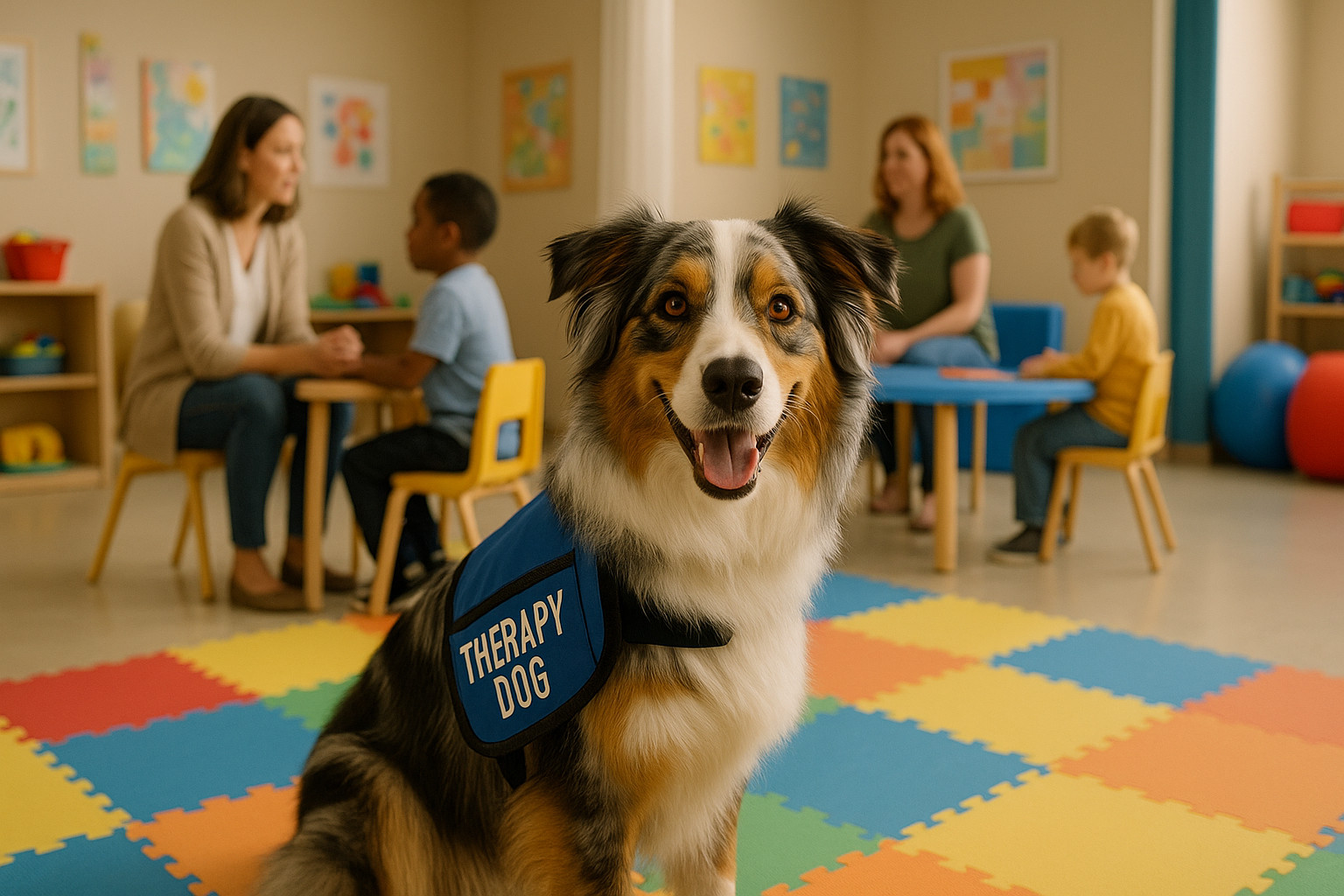
The Australian Shepherd, renowned for its intelligence and agility, plays a unique role as a therapy dog. This breed, often recognized for its vibrant energy and herding prowess, can also provide comfort and healing in therapeutic settings. Its intuitive nature and emotional acuity make it an exceptional companion in environments that require empathy and patience.
Understanding the Therapy Dog Role
The role of a therapy dog is distinct from other service or working dogs. Unlike service dogs trained to perform tasks for individuals with disabilities, therapy dogs offer emotional support and comfort to diverse groups. The primary functions include visiting hospitals, schools, nursing homes, and recovery centers to provide solace and happiness. An ideal therapy dog must have a temperament conducive to gentle and affectionate interactions with people, often adjusting to dynamic emotional climates.
Physical Appearance and Energy Level
Australian Shepherds are medium-sized dogs with a well-muscled build, portraying both strength and grace. Their energy level is notably high, which is a double-edged sword in therapy settings. On one hand, this energy allows them to engage with enthusiasm and vitality. On the other hand, a balance must be struck to ensure their exuberance doesn't overwhelm the therapy environment. Regular exercise is essential to channel their energy positively, making them calm and amicable during therapy visits.
Personality and Emotional Intelligence
With an innate ability to sense and respond to human emotions, Australian Shepherds display significant emotional intelligence. Their personality is characterized by alertness, sociability, and loyalty. These traits are crucial when working with individuals needing emotional support. The breed's ability to detect subtle emotional cues allows them to tailor their behavior, offering a comforting presence when patients or clients are distressed.
Environments Where Australian Shepherd Excels
Australian Shepherds thrive in environments where their energy and enthusiasm can be positively harnessed. These include:
- Schools: Where they can engage with children, providing emotional support and helping cultivate social skills.
- Rehabilitation Centers: Their energetic nature can encourage rehabilitation exercises and activities.
- Community Centers: Ideal for group therapy sessions due to their sociable and interactive demeanor.
Common Therapy Settings
In therapy settings, Australian Shepherds can be pivotal in:
- Hospitals: Providing emotional relief to patients and reducing anxiety levels.
- Nursing Homes: Offering companionship to the elderly, often improving mood and social engagement.
- Hospice Care Facilities: Their comforting presence can provide solace to terminally ill patients and their families.
Interactions with Different Populations
The breed's adaptability makes them excellent with various populations:
Register Any Breed
- Children: They exhibit patience and playfulness, which is particularly beneficial for young patients.
- Adults: Their calming presence can alleviate stress and anxiety.
- Elderly: Their companionship can diminish feelings of isolation and encourage emotional expression.
Health and Wellness Factors
A robust health profile is crucial for Australian Shepherds in therapy roles, as it ensures they can perform their duties without interruption. Regular veterinary check-ups, vaccinations, and a balanced diet are essential components of their health maintenance. Additionally, adequate exercise is necessary to maintain their physical health and manage their high energy levels effectively.
Lifespan and Common Health Issues
Australian Shepherds have a lifespan of approximately 12–15 years. Awareness of common health issues such as hip dysplasia, epilepsy, and certain eye conditions like cataracts and progressive retinal atrophy is crucial for maintaining their wellbeing. These conditions, if unmanaged, can affect their therapy work. Regular monitoring and prompt veterinary care can mitigate these health challenges effectively.
Maintenance and Care Needs
The grooming needs of an Australian Shepherd must not be overlooked:
- Coat Care: Regular brushing is essential to manage shedding and keep their coat healthy.
- Hygiene: Cleanliness is paramount in therapy settings; regular baths help keep their fur clean and allergen-free.
- Ear and Nail Care: Regular checking and grooming prevent health issues that could hinder their ability to perform as therapy dogs.
Training and Certification Readiness
Training an Australian Shepherd for therapy work involves harnessing their natural intelligence and obedience. Their learning style is rapid and responsive, benefiting from positive reinforcement techniques. Consistency and patience in training will prepare them for certification. Therapy dog certification often requires passing behavior assessment tests, and the Australian Shepherd's adaptability makes them well-suited for this challenge.
Learning Style and Responsiveness
Their eagerness to learn and quick responsiveness to commands make them excellent candidates for therapy work. They thrive on mental stimulation through training and discipline. Providing interactive and engaging activities allows them to practice their therapeutic roles effectively.
Handling Social and Emotional Stimuli
Australian Shepherds handle social interactions with aplomb due to their sociable and intuitive nature. They read emotional cues efficiently, adjusting their behavior according to the needs of those around them. Their empathetic nature allows them to provide genuine comfort, making them a valuable asset in therapy settings.
Strengths, Limitations, and Ideal Roles for Australian Shepherd
Strengths:
- High emotional intelligence that allows them to bond well with various individuals.
- Strong adaptability to different social settings and emotional atmospheres.
- Enthusiastic energy that can invigorate therapy sessions and activities.
Limitations:
- High energy levels may be overwhelming if not properly managed.
- Potential health issues can hinder their long-term effectiveness as therapy dogs.
Ideal Roles: Australian Shepherds excel in roles that require interaction and engagement, offering warmth and cheer to those in their care.
Final Thoughts
The Australian Shepherd's unique combination of intelligence, emotional sensitivity, and enthusiastic energy makes it a standout choice for therapy work. With the right training and care, they can significantly enhance therapeutic environments, bringing joy and comfort to those they interact with.
Key Takeaways for the Australian Shepherd as a Therapy Dog
- Best suited for: Schools, rehabilitation centers, hospitals, nursing homes
- Not ideal for: Environments requiring low-energy dogs or those with stringent health restrictions
- Temperament highlights: Affectionate, sociable, adaptable, and emotionally intuitive
- Care and health notes: Regular exercise and grooming, awareness of common health issues
- Therapy environments where they shine: Interactive and engaging settings such as schools and community centers


-
Public Access Kits
$149.00 Learn more This product has multiple variants. The options may be chosen on the product page -
Quick Ship Premium Vests
$48.00 – $82.00 Learn more This product has multiple variants. The options may be chosen on the product page -
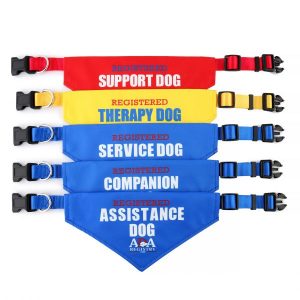
Service Dog Bandana
$39.95 Learn more This product has multiple variants. The options may be chosen on the product page
Custom ID Cards

Custom ID Cards
All States

Canada Cards

Custom Service Dog Tags

Official Dog Vests

Smart Vests
Official Public Access Kits
Complete Kits
USA & CANADA Letters
High Quality Bandanas
Service Dog Tags
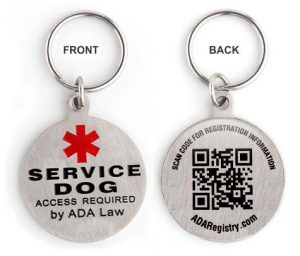
Smart Tags

ESA TAGS