Basenji as a Therapy Dog
Register Any Breed
Basenji as a Therapy Dog Overview
The Basenji is a unique and intriguing breed known for its distinct characteristics, such as its lack of barking and its agile, muscular build. When considering the Basenji as a therapy dog, it is essential to delve into the breed's temperament, social adaptability, and specific traits that can influence their success in therapeutic environments.
Understanding the Therapy Dog Role
Therapy dogs have the pivotal role of providing comfort and emotional support to individuals in various settings, from hospitals and nursing homes to schools and rehabilitation centers. They must exhibit stability, calmness, adaptability, and empathy. A successful therapy dog needs to navigate social interactions smoothly and respond well to different emotional stimuli.
Physical Appearance and Energy Level
Basenjis are compact dogs with a graceful posture, typically weighing between 22 to 24 pounds and standing about 16 to 17 inches tall at the shoulder. While their high energy levels necessitate regular exercise, their size makes them manageable for therapy scenarios where space may be limited. The breed’s sleek coat is low-maintenance, benefiting handlers who require dogs with minimal grooming needs.
Personality and Emotional Intelligence
A therapy dog’s empathy and emotional intelligence are crucial for connecting with those they are tasked to comfort. Basenjis are known for their independence, which can initially be mistaken for aloofness, but with proper socialization, they can be remarkably affectionate and gentle. Their intuitive nature allows them to subtly perceive emotional changes, adapting their demeanor to suit the mood of their environment.
Environments Where Basenji Excels
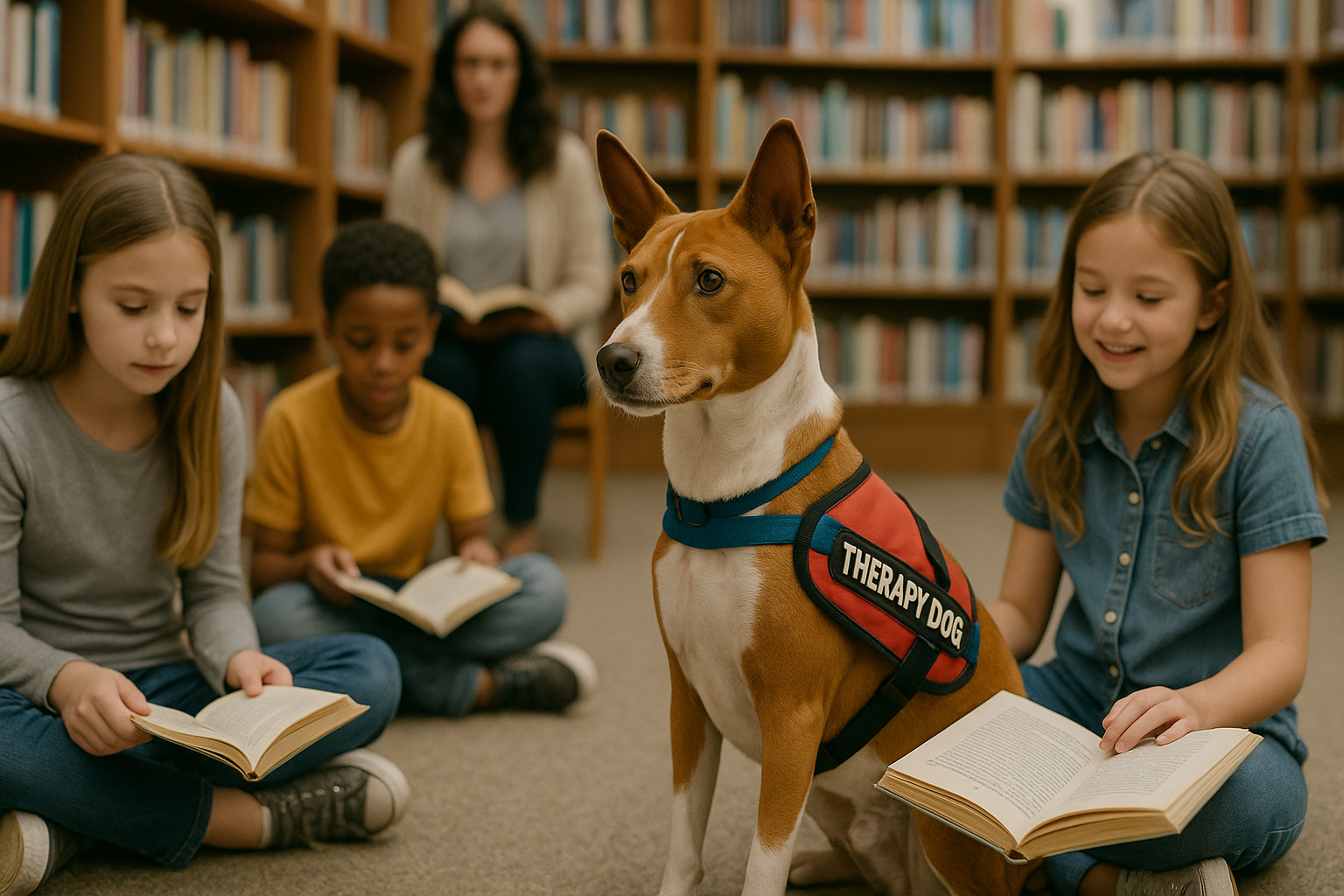
Basenjis excel in environments that appreciate their unique traits and cater to their moderate exercise needs. Due to their quiet nature, they are particularly effective in locations where silence is valued, such as libraries and hospice facilities. Their ability to remain composed in quiet, controlled settings provides a calming presence that can be therapeutic for those experiencing stress or anxiety.
Common Therapy Settings
- Hospitals and Clinics: Their hygienic, low-shedding nature is advantageous in sterile environments.
- Schools and Libraries: The breed's quiet demeanor and patience make them a hit during reading programs.
- Rehabilitation Centers: They can provide non-judgmental companionship that supports recovery efforts.
Interactions with Different Populations
Basenjis are gentle with children and can be excellent companions in pediatric settings. They also exhibit a calm, gentle nature around the elderly, which can facilitate soothing interactions in nursing homes. However, their independent streak means they may not always be the ideal choice where constant interaction is needed.
Health and Wellness Factors
Lifespan and Common Health Issues
Basenjis typically live 12 to 16 years. While generally healthy, they can be prone to specific conditions such as Fanconi syndrome, hip dysplasia, and hypothyroidism. Regular veterinary check-ups are vital to ensure they remain fit and healthy, maintaining their capability as reliable therapy dogs over the long term.
Register Any Breed
Maintenance and Care Needs
This breed requires a moderate amount of daily exercise, which can be integrated into therapy visits through controlled, playful interactions. Their short coat requires minimal grooming, primarily involving regular brushing to manage shedding and routine cleaning to minimize allergens, making them relatively easy to maintain for handlers with busy schedules.
Training and Certification Readiness
Learning Style and Responsiveness
Training a Basenji for therapy work requires understanding their intelligence and sometimes stubborn nature. They learn best with positive reinforcement and consistency. Engaging them in interactive training sessions that stimulate both mentally and physically can yield the best results in achieving the required certification standards for therapy dogs.
Handling Social and Emotional Stimuli
Basenjis are adept at handling emotional stimuli, often responding to distress or discomfort with a calming presence. They are naturally curious, which helps them remain attentive during therapy sessions. However, their sensitive nature means they may require breaks from overly stimulating environments to maintain their composure and effectiveness.
Strengths, Limitations, and Ideal Roles for Basenji
- Strengths: Independent yet affectionate, excels in quiet therapy settings, minimal grooming needs.
- Limitations: May require breaks in overwhelming environments, not always suited for constant interaction.
- Ideal roles: Providing comfort in educational settings, offering companionship in hospital wards.
Final Thoughts
The Basenji may not be the first breed that comes to mind for therapy work, but its unique characteristics can be of immense value in specific settings. Their calm and composed nature is suited for environments that require a dignified presence, and their low-maintenance grooming and manageable size fit well with a range of therapeutic environments. With the right training and socialization, Basenjis can become invaluable companions, spreading comfort and compassion.
Key Takeaways for the Basenji as a Therapy Dog
- Best suited for: Educational settings, quiet environments, hospitals, and nursing homes.
- Not ideal for: Highly dynamic environments requiring constant interaction.
- Temperament highlights: Calm, independent yet affectionate, responsive to emotional stimuli.
- Care and health notes: Low-maintenance grooming, prone to specific health issues, requires regular exercise.
- Therapy environments where they shine: Libraries, hospice facilities, pediatric wards.
This comprehensive overview aims to guide trainers and healthcare professionals considering the Basenji for therapy roles, offering insights into how they can best be integrated into therapeutic settings for optimal benefit.


-
Public Access Kits
$149.00 Learn more This product has multiple variants. The options may be chosen on the product page -
Quick Ship Premium Vests
$48.00 – $82.00 Learn more This product has multiple variants. The options may be chosen on the product page -
Service Dog Bandana
$39.95 Learn more This product has multiple variants. The options may be chosen on the product page
Custom ID Cards

Custom ID Cards
All States

Canada Cards

Custom Service Dog Tags

Official Dog Vests

Smart Vests
Official Public Access Kits

Complete Kits
USA & CANADA Letters

High Quality Bandanas
Service Dog Tags
Smart Tags

ESA TAGS