Basenji as an Emotional Support Dog
Register Any Breed
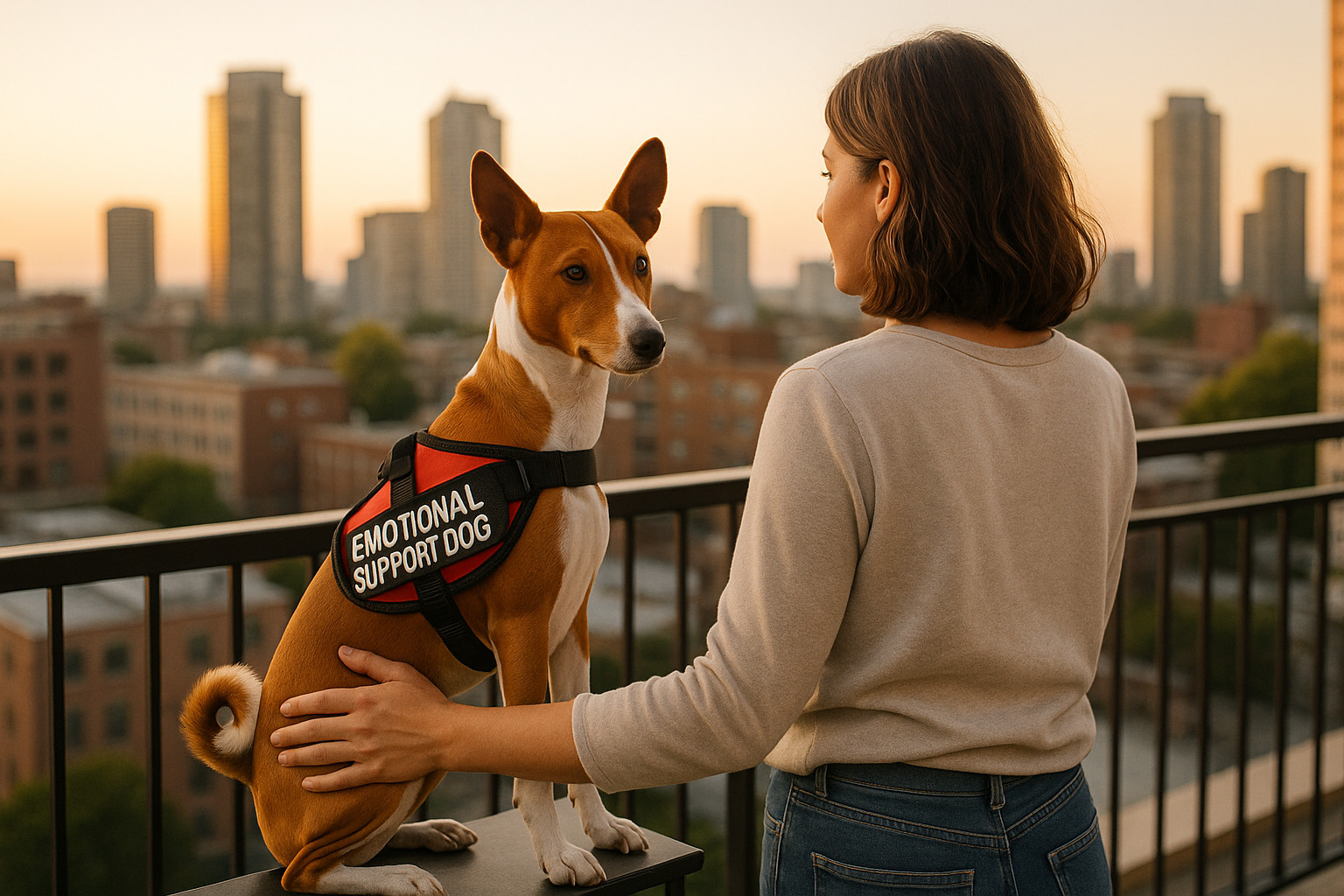
Understanding the Emotional Support Role
Emotional support animals (ESAs) play a pivotal role in the lives of individuals who experience emotional or psychological challenges. These animals provide comfort and companionship, helping to alleviate symptoms of anxiety, depression, and loneliness. Among the diverse breeds that can make excellent ESAs, the Basenji, with its unique characteristics, stands out.
Basenji Overview
Originating from Africa, the Basenji is often referred to as the "barkless dog," due to its unique vocalizations that resemble yodels rather than traditional barks. Basenjis are compact and athletic, typically weighing between 22 to 24 pounds and standing around 16 to 17 inches tall at the shoulder.
This breed is known for its intelligence and independence, traits that are both endearing and challenging. These attributes make the Basenji an intriguing choice for those seeking an ESA, as they require a balanced approach to interaction and support.
Temperament and Emotional Connection
The Basenji's temperament is characterized by curiosity, playfulness, and an innate sense of independence. Despite their independent streak, these dogs are capable of forming deep bonds with their owners. They possess a high level of sensitivity, allowing them to intuitively respond to the emotional states of the humans they interact with.
- Intuitive Companionship: Basenjis can sense and mirror emotions, offering comfort through quiet presence and gentle nudges.
- Empathy: Their capacity for empathy makes them adept at responding to subtle emotional cues.
- Trust-building: While initially reserved, once trust is established, their loyalty and affection are profound, providing unwavering emotional support.
Adaptability and Daily Behavior
The Basenji’s energy level is moderate, with bursts of enthusiasm interspersed with periods of calmness — a rhythm that can be grounding for individuals in need of emotional support.
- Routine Benefits: Establishing a consistent daily routine can help cultivate a sense of stability.
- Playful Interactions: Engaging in playful activities can elevate mood, while their quiet companionship during more relaxed periods offers comfort.
- Adaptability: Though they possess a robust independent nature, Basenjis are adaptable, fitting into various living environments given proper care and attention.
Situations Where Basenji Provides Strong Support
Basenjis excel in settings where their independence is valued. They provide companionship without overwhelming constant attention, making them ideal for individuals who may need space while benefiting from a comforting presence.
- Alleviating Anxiety: Their calm demeanor can help diffuse anxious moments, providing a soothing presence in stressful situations.
- Companionship for Apartments: With proper exercise, they adapt well to smaller living spaces, proving to be comforting companions for apartment dwellers.
- Support in Routine Activities: They offer quiet companionship during daily routines, helping to build a sense of normalcy and regularity.
Ideal Living Environments
Basenjis thrive in environments where they are treated as part of the family. Whether in urban apartments or suburban homes with securely fenced yards, their adaptability allows them to adjust to various living contexts as long as their physical and mental needs are met.
Register Any Breed
- Exercise Requirements: They need regular exercise to maintain physical and mental health, which can be beneficial for owners who also benefit from outdoor activities.
- Secure Spaces: Environments should be secure, as their curiosity can lead them into escapades if left unchecked.
- Family Involvement: They do well in homes where they can engage with family members, supporting the emotional dynamics of the household.
Bonds with Different Types of People
Basenjis form significant bonds with individuals based on understanding and mutual respect. Their emotional intelligence allows them to connect with diverse demographics.
- Children: Their playful nature makes them suitable companions for children, although supervision and guidance ensure harmonious interactions.
- Older Adults: Offering independence and companionship without demanding attention, they are excellent for older adults seeking comfort and routine.
- Singles and Couples: They bond well with singles or couples, fitting seamlessly into a variety of lifestyles and life stages.
Health, Care, and Wellbeing
A Basenji’s health and wellbeing are crucial to its ability to provide emotional support. Maintaining their health ensures longevity and quality companionship.
Common Health Considerations
Basenjis are generally healthy, but like all breeds, they are prone to certain health issues.
- Fanconi Syndrome: A kidney disorder requiring regular veterinary check-ups.
- Progressive Retinal Atrophy (PRA): Regular eye examinations are recommended to mitigate risks.
- Hip Dysplasia: Maintaining a healthy weight and regular exercise helps prevent joint issues.
Grooming, Comfort, and Maintenance Needs
The breed’s grooming requirements are minimal, contributing to their appeal as low-maintenance companions.
- Coat Care: Their short coat requires occasional brushing, reducing allergens in the home.
- Hygiene: Regular ear cleaning and dental care are essential for overall health.
- Comfort Routines: Providing a comfortable resting area enhances their sense of security and belonging.
Preparing a Basenji for Emotional Support Work
Preparing a Basenji to fulfill an emotional support role involves structured socialization and responsiveness training.
Socialization and Responsiveness
Early socialization is critical to ensuring that they are comfortable with various stimuli and can respond appropriately in diverse situations.
- Exposure: Introducing them to different environments, people, and experiences helps build confidence.
- Training Courses: Utilizing positive reinforcement training enhances their responsiveness and emotional intuition.
Managing Stress and Emotional Cues
Understanding and managing their stress is pivotal to enhancing their ability to offer emotional support.
- Calming Techniques: Teaching them commands like "stay" and "relax" can help manage their stress, enhancing their ability to calm their owners.
- Consistent Communication: Utilizing consistent commands and structure helps them understand and respond to emotional cues effectively.
Strengths, Challenges, and Ideal Homes for Basenji
The Basenji’s strengths as an ESA lie in its balance of independence and companionship. However, challenges such as their independent nature may require patience and understanding.
- Strengths: Empathy, intuition, adaptability, low maintenance.
- Challenges: Independence can be mistaken for aloofness; not ideal for those seeking constant attention.
- Ideal Homes: Best suited for individuals or families that appreciate a mix of independence and occasional affection.
Final Thoughts
Basenjis can be remarkable emotional support animals for the right individuals. Their unique blend of independence and empathy allows them to provide unconditional support, aiding individuals in managing anxiety and other emotional challenges. A Basenji’s adaptability, coupled with structured care and understanding, offers enriching emotional connections and comfort.
Key Takeaways for the Basenji as an Emotional Support Dog
- Best suited for: Individuals and families appreciating independence, including living spaces such as apartments and family homes.
- Not ideal for: Those seeking a highly attentive and continuously engaging pet.
- Emotional traits: Empathetic, intuitive, independent yet capable of deep bonds.
- Care and health notes: Minimal grooming, regular health check-ups for common breed issues.
- Environments where they provide the most comfort: Secure environments with structured routines, supportive family settings, smaller living spaces when paired with regular exercise.


-
Public Access Kits
$149.00 Learn more This product has multiple variants. The options may be chosen on the product page -
Quick Ship Premium Vests
$48.00 – $82.00 Learn more This product has multiple variants. The options may be chosen on the product page -
Service Dog Bandana
$39.95 Learn more This product has multiple variants. The options may be chosen on the product page
Custom ID Cards

Custom ID Cards
All States

Canada Cards

Custom Service Dog Tags

Official Dog Vests

Smart Vests
Official Public Access Kits

Complete Kits
USA & CANADA Letters

High Quality Bandanas

Service Dog Tags

Smart Tags

ESA TAGS