Basset Hound as a Therapy Dog
Register Any Breed
Basset Hound as a Therapy Dog Overview
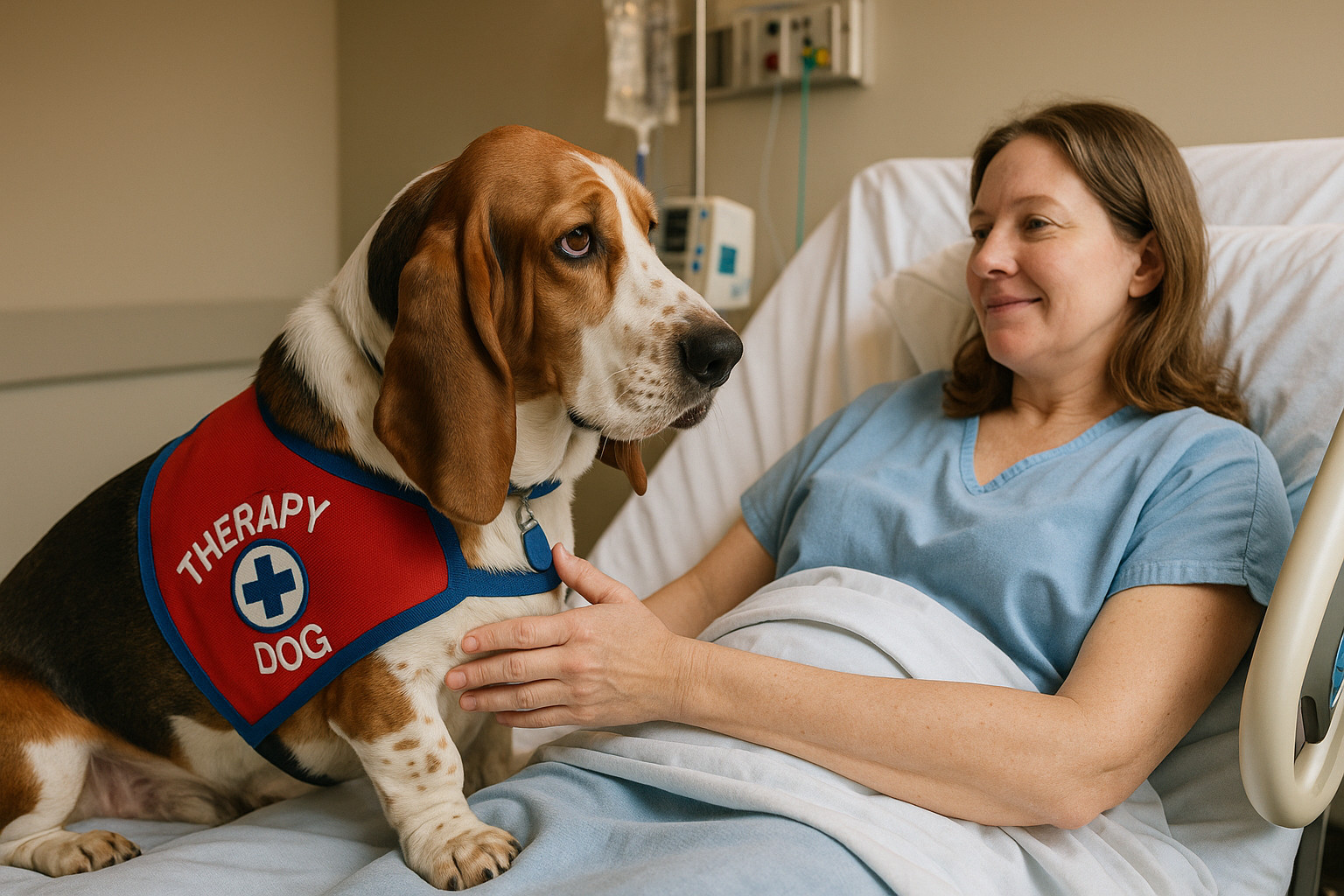
The Basset Hound, with its distinctive appearance and gentle disposition, stands out as a unique candidate for therapy work. Its calm demeanor and friendly nature make it an appealing choice for those seeking canine-assisted therapy. Therapy dogs play a crucial role in providing emotional support and physical comfort, often acting as bridges to improve human interaction in various settings. Understanding how the Basset Hound fits into this role requires a detailed exploration of its physical, emotional, and behavioral traits.
Understanding the Therapy Dog Role
Therapy dogs are trained to provide comfort and affection to people in diverse environments, such as hospitals, schools, and nursing homes. Unlike service or working dogs, therapy dogs are not responsible for performing specific tasks for individuals with disabilities. Instead, their primary focus is on offering therapeutic benefits through interaction. The Basset Hound, with its naturally soothing presence, can excel in these roles, offering companionship and a sense of calmness to those in need.
Physical Appearance and Energy Level
The Basset Hound's low stature, long ears, and droopy eyes give it an inviting and approachable look. These physical characteristics can be particularly comforting in therapy settings, as they present a non-threatening image to individuals who may be anxious or distressed. However, their energy level is typically low to moderate, which aligns well with the needs of a therapy dog, as they can remain calm and composed during long sessions without becoming restless.
Personality and Emotional Intelligence
A hallmark of the Basset Hound’s personality is its laid-back and amiable nature. This breed boasts a high degree of emotional intelligence, which is essential for recognizing and responding to human emotions. While they may be stubborn at times, their loyalty and loving disposition are unmatched. They possess a natural empathy that allows them to connect deeply with those around them, making them adept at sensing when someone needs comfort or attention.
Environments Where Basset Hound Excels
Basset Hounds thrive in environments that allow for gentle interaction and affectionate behavior. Their calm demeanor is ideal for settings such as libraries, where children can read to them, providing an audience that is patient and non-judgmental. In hospital or nursing home environments, their soothing presence and cuddle-friendly size offer a great respite for patients in need of comfort.
Common Therapy Settings
In therapeutic settings, Basset Hounds often excel in:
- Hospitals and Rehabilitation Centers: Their gentle approach can ease anxiety among patients, offering emotional support during treatment or recovery.
- Schools and Libraries: Their patience makes them good listeners for children, promoting literacy and reducing anxiety through reading programs.
- Nursing Homes: Older individuals often benefit from the Basset Hound's affectionate nature, which can foster a sense of connection and happiness.
Interactions with Different Populations
This breed is particularly effective with:
Register Any Breed
- Children: Their friendly appearance and gentle manner make them less intimidating, which is beneficial for children with special needs or anxieties.
- Elderly People: The Basset Hound’s steady, pacifying nature provides companionship and joy to older adults, easing feelings of loneliness and promoting engagement.
- Patients with Mental Health Challenges: Their calm presence can have a grounding effect, helping to reduce stress and induce relaxation.
Health and Wellness Factors
The Basset Hound’s overall health and wellbeing influence their ability to serve as therapy dogs. They typically live 10–12 years, but several factors need to be considered:
- Weight Management: They are prone to obesity, which can affect mobility and energy levels. Regular exercise is crucial.
- Ear and Skin Care: Their signature long ears require regular cleaning to prevent infections, and their skin folds should be monitored for irritations.
Lifespan and Common Health Issues
While Basset Hounds generally enjoy a lifespan conducive to fulfilling therapy dog duties for several years, they are prone to certain health concerns:
- Orthopedic Issues: Due to their body structure, joint issues and back problems are common.
- Eye Conditions: Regular check-ups are necessary as they can be prone to hereditary eye conditions.
Maintenance and Care Needs
Proper grooming and regular veterinary care are essential to ensure they can serve effectively in therapy roles. Key areas to focus on include:
- Coat Care: Regular brushing helps minimize shedding and keep their coat healthy.
- Nail Trimming and Dental Care: Maintained hygiene is vital to prevent discomfort or health issues.
Training and Certification Readiness
Basset Hounds demonstrate a keen learning style marked by curiosity and eagerness when adequately motivated. Their readiness for certification as therapy dogs rests on:
- Patience and Consistency in Training: Due to their independent nature, they require patient and consistent training approaches.
- Socialization: Early exposure to diverse environments and people enhances their adaptability and effectiveness in therapy settings.
Learning Style and Responsiveness
While the Basset Hound can be independent, their inherent desire to please often overcomes stubbornness, especially when positive reinforcement methods are employed:
- Use of Rewards: Treats and praise work as effective motivators.
- Repetition and Routine: Consistent routines establish reliability in behavior and response.
Handling Social and Emotional Stimuli
Basset Hounds are particularly responsive to emotional cues, often providing comfort simply by being present. Their ability to sit patiently and offer a listening ear aids in fostering a supportive atmosphere:
- Adaptability to Different Scenarios: They adjust well to a range of social settings, offering tailored responses based on their intuitive understanding of emotional stimuli.
Strengths, Limitations, and Ideal Roles for Basset Hound
Strengths of the Basset Hound in therapy include:
- Calm and Gentle Nature: Ideal for creating a tranquil environment.
- Affectionate Personality: Builds strong, trusting relationships with handlers and clients.
Limitations to consider:
- Physical Limitations: Potential mobility issues restrict suitability to environments requiring physical agility.
- Independence in Training: Can be less responsive to commands if motivation is not appropriately aligned.
Final Thoughts
The Basset Hound, with its unique combination of emotional intelligence, friendly demeanor, and comforting presence, can be a valuable asset in therapy settings. While their independence might pose training challenges, their overall suitability shines in spaces that demand patience and calm engagement. With proper care, training, and attention to their specific needs, Basset Hounds can provide consistent and heartfelt therapy support to those they serve.
Key Takeaways for the Basset Hound as a Therapy Dog
- Best suited for: Hospitals, schools, nursing homes, and reading programs.
- Not ideal for: High-energy or physically demanding environments.
- Temperament highlights: Calm, affectionate, empathetic, gentle.
- Care and health notes: Regular exercise, ear cleaning, weight management, and joint care necessary.
- Therapy environments where they shine: Situations requiring calm presence and emotional support, especially for children and elderly populations.


-
Public Access Kits
$149.00 Learn more This product has multiple variants. The options may be chosen on the product page -
Quick Ship Premium Vests
$48.00 – $82.00 Learn more This product has multiple variants. The options may be chosen on the product page -
Service Dog Bandana
$39.95 Learn more This product has multiple variants. The options may be chosen on the product page
Custom ID Cards

Custom ID Cards
All States
Canada Cards
Custom Service Dog Tags
Official Dog Vests

Smart Vests
Official Public Access Kits
Complete Kits
USA & CANADA Letters
High Quality Bandanas
Service Dog Tags
Smart Tags
ESA TAGS