Basset Hound as an Emotional Support Dog
Register Any Breed
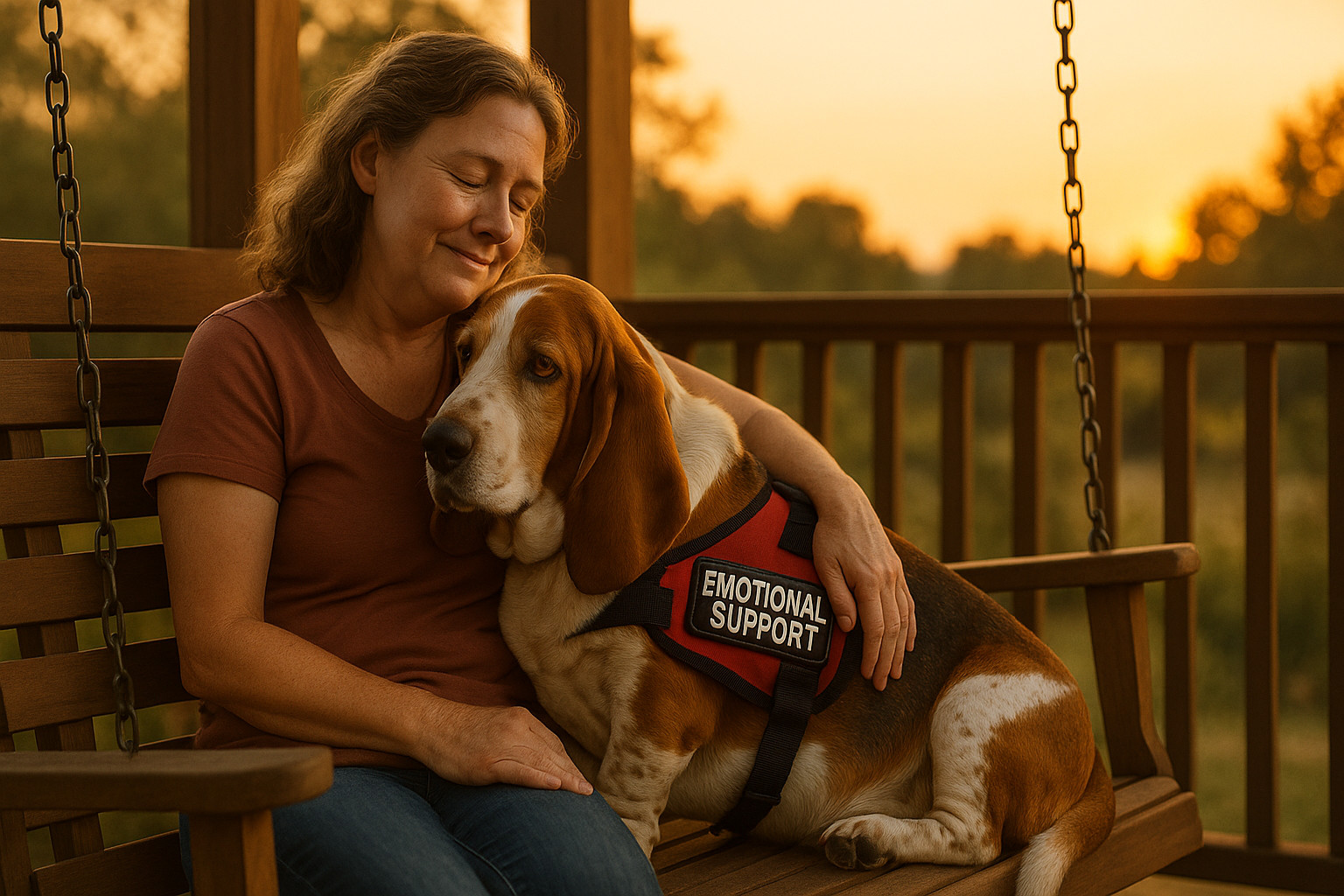
Understanding the Emotional Support Role
Emotional support animals (ESAs) play a crucial role in improving the mental and emotional well-being of individuals facing various psychological challenges. Unlike service animals, ESAs are not required to perform specific tasks but rather offer comfort through their presence and companionship. The Basset Hound, with its distinct characteristics and gentle disposition, is increasingly recognized as a fitting candidate for this supportive role. In this article, we explore how the Basset Hound's unique traits align with the demands of an emotional support animal.
Basset Hound Overview
The Basset Hound is a breed famously known for its droopy ears, soulful eyes, and significant sense of smell. Originating from France, they were initially bred for hunting, utilizing their excellent scent-tracking abilities. However, their friendly and laid-back nature makes them ideal companions beyond hunting tasks. Their medium size, combined with a low-energy lifestyle, makes them well-suited for individuals or families looking for a gentle and loving ESA.
Temperament and Emotional Connection
Basset Hounds are renowned for their friendly, patient, and gentle temperament. These traits make them particularly effective as emotional support animals. They forge deep emotional connections with their owners, providing unwavering companionship. Their ability to sense human feelings and respond with empathy is remarkable, often offering a calming presence that alleviates stress and anxiety.
- Empathy and Sensitivity: Basset Hounds are naturally attuned to their owner’s emotional states, making them capable of providing comfort during times of distress.
- Loyal Companion: Their devotion ensures a steady presence, helping to reduce feelings of loneliness or isolation.
Adaptability and Daily Behavior
This breed adapts easily to various living situations and family dynamics, offering flexibility that is beneficial for ESA roles. Their typical behavior is calm and mild-mannered, contributing significantly to an emotionally supportive atmosphere.
- Energy Levels: Characterized by low to moderate energy, they can match the pace of a peaceful home without needing extensive physical exertion.
- Routine and Stability: They thrive with a consistent routine, aiding in providing a sense of regularity and safety to their owners.
Situations Where Basset Hound Provides Strong Support
Basset Hounds excel in providing emotional support in several situations:
- Anxiety Reduction: Their calm presence can mitigate anxiety attacks and help establish a relaxed environment.
- Emotion Management: By maintaining a stable mood themselves, they help stabilize the emotional highs and lows, especially beneficial for those with mood disorders.
- Social Encouragement: Their approachable demeanor encourages social interactions, assisting individuals with social anxiety in feeling more at ease.
Ideal Living Environments
The Basset Hound’s adaptability makes it suitable for various living environments:
- Apartments: Their relatively quiet nature and moderate size make them excellent companions for apartment dwellers.
- Family Homes: They are good with children and can integrate well into family settings.
- Assisted Living: Their gentle disposition provides comfort and companionship for elderly individuals.
Bonds with Different Types of People
Basset Hounds build strong, enduring bonds across diverse human demographics:
Register Any Breed
- Individuals with Anxiety or Depression: Their calming influence and companionship offer significant psychological benefits.
- Families: They can engage and be gentle with children, making them suitable for families of varying sizes.
- Elderly Companionship: Their slower pace and loyalty are perfect for providing steady companionship to seniors.
Health, Care, and Wellbeing
Common Health Considerations
Caring for a Basset Hound effectively ensures they can continuously fulfill their emotional support role:
- Joint and Spine Health: Due to their long bodies, they are prone to back issues. Regular veterinary check-ups can help prevent or manage these conditions.
- Obesity Concerns: Their food-loving nature can lead to weight gain, which must be monitored to maintain their health and longevity.
Grooming, Comfort, and Maintenance Needs
Basset Hounds require consistent grooming, which can also be a meditative activity for their owners, reinforcing the human-animal bond:
- Regular Brushing: Helps maintain their shedding and keeps their coat healthy.
- Ear Care: Their long ears need regular cleaning to prevent infections, ensuring their wellbeing and comfort.
Preparing a Basset Hound for Emotional Support Work
Socialization and Responsiveness
Effective emotional support requires well-trained and socialized dogs:
- Early Socialization: Exposing them to various stimuli and environments from a young age fosters adaptability and calmness.
- Basic Obedience Training: Essential for responsiveness and to instill a sense of reliability and safety.
Managing Stress and Emotional Cues
Understanding and managing stress is crucial for Basset Hounds to provide effective support:
- Reading Human Emotions: Their natural propensity to pick up emotional cues requires that owners are mindful of their own mood and stress levels.
- Stress Management: Providing a stable and loving environment reduces the chance of stress, aiding in their role as effective support animals.
Strengths, Challenges, and Ideal Homes for Basset Hound
While well-suited as emotional support dogs, Basset Hounds also present certain challenges:
- Strengths: Empathetic nature, low-maintenance grooming, suitability for various living environments.
- Challenges: Health issues, specifically back problems and a tendency towards obesity that require proactive management.
- Ideal Homes: Those looking for a laid-back, affectionate companion will find the Basset Hound meets these needs splendidly.
Final Thoughts
The Basset Hound’s gentle disposition and innate ability to offer emotional stability make them a wise choice for an emotional support animal. By addressing their unique care needs and embracing their empathetic nature, owners can enjoy the multitude of supportive benefits these faithful companions offer.
Key Takeaways for the Basset Hound as an Emotional Support Dog
- Best suited for: Individuals with anxiety, depression, families, seniors in assisted living.
- Not ideal for: Highly active individuals requiring a dog with high energy levels.
- Emotional traits: Empathetic, loyal, calm, and friendly.
- Care and health notes: Requires regular grooming, monitoring of weight and joint health.
- Environments where they provide the most comfort: Apartments, family homes, and assisted living facilities.


-
Public Access Kits
$149.00 Learn more This product has multiple variants. The options may be chosen on the product page -
Quick Ship Premium Vests
$48.00 – $82.00 Learn more This product has multiple variants. The options may be chosen on the product page -
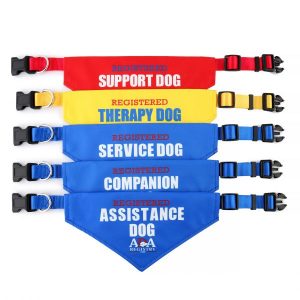
Service Dog Bandana
$39.95 Learn more This product has multiple variants. The options may be chosen on the product page
Custom ID Cards

Custom ID Cards
All States

Canada Cards

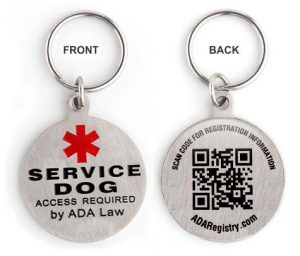
Custom Service Dog Tags
Official Dog Vests

Smart Vests
Official Public Access Kits
Complete Kits
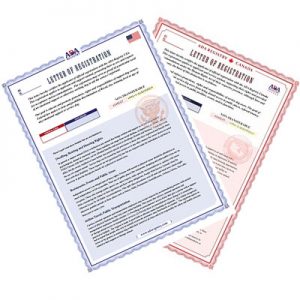
USA & CANADA Letters
High Quality Bandanas
Service Dog Tags
Smart Tags

ESA TAGS