Beauceron as a Therapy Dog
Register Any Breed
Beauceron as a Therapy Dog Overview
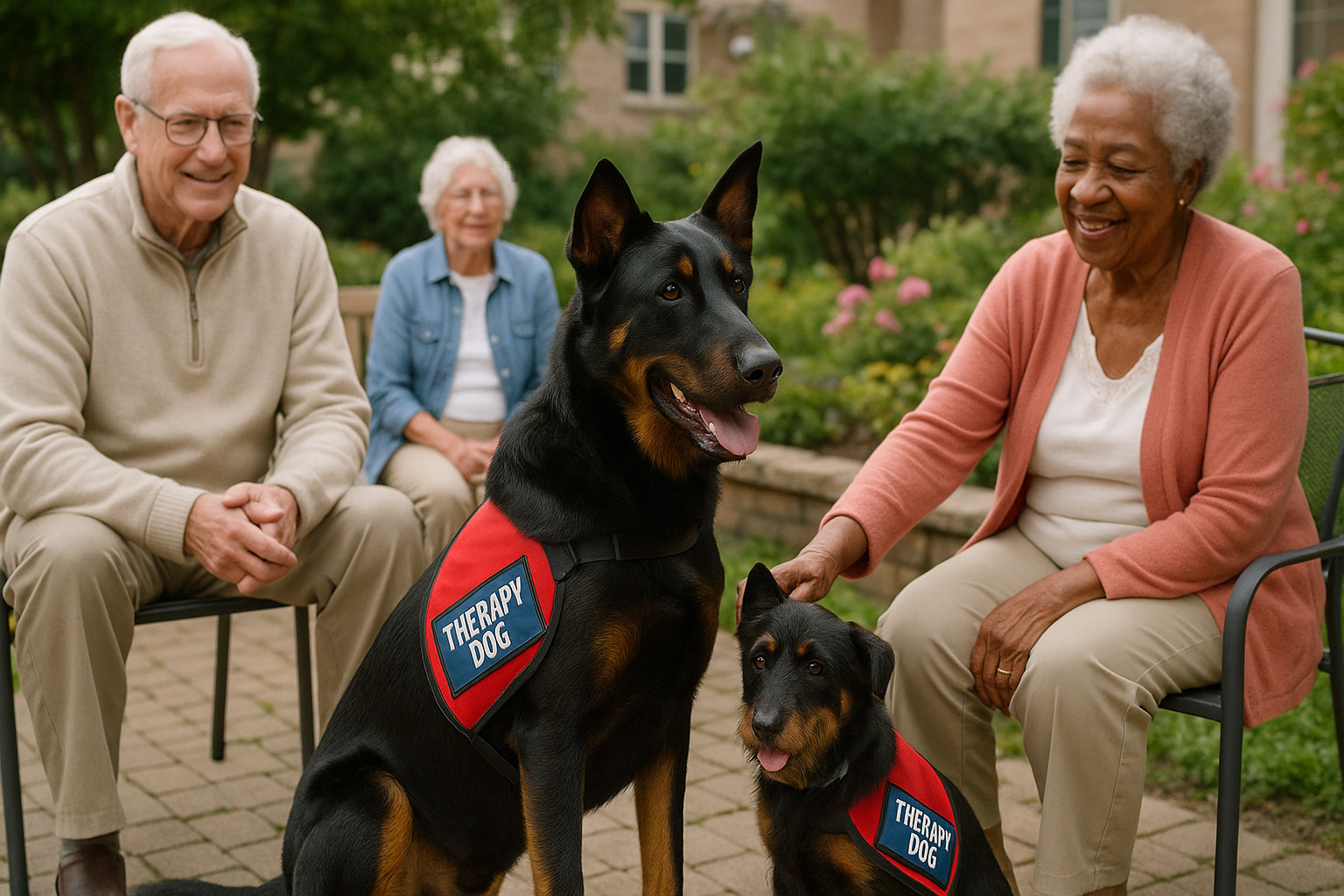
The Beauceron is an imposing yet elegant breed often used for herding, but its potential as a therapy dog is increasingly being recognized. Known for their intelligence, loyalty, and sensitivity, Beaucerons can offer therapeutic benefits in various settings. This article explores these attributes, focusing on their potential as therapy dogs, not to be confused with service or working dogs, highlighting their suitability through the lens of therapy-related contexts.
Understanding the Therapy Dog Role
Therapy dogs provide emotional and psychological support in various settings, ranging from hospitals to schools. Unlike service dogs trained for specific tasks, therapy dogs primarily offer comfort, reduce stress, and facilitate interaction. A successful therapy dog embodies calmness, adaptability, and a nurturing temperament. The Beauceron's strong sense of empathy and ability to connect with humans can make it a suitable candidate for these roles.
Physical Appearance and Energy Level
Beauceron dogs are large and muscular, typically weighing between 70-110 pounds. Their size and strength require consideration when assessing their suitability for different therapy environments. A well-exercised Beauceron, whose energy has been appropriately channeled, can exhibit the calmness necessary for therapy settings. Their high energy level means that they must have sufficient exercise before engaging in therapy work to ensure they remain focused and gentle around recipients.
Personality and Emotional Intelligence
The Beauceron's personality combines intelligence with a proactive nature. Known for their loyalty and ability to sense human emotions, they often exhibit high emotional intelligence. This trait allows them to connect deeply with individuals, perceiving subtle cues and responding with appropriate comfort or playfulness. These qualities are pivotal in therapy contexts, where the dog's responsiveness to emotional stimuli can significantly influence therapeutic outcomes.
Environments Where Beauceron Excels
Beaucerons can excel in environments where mental stimulation and a diverse range of interactions are present. Their adaptability to various situations is a strong point. They thrive in settings such as:
- Hospitals: Where their calming presence can alleviate anxiety.
- Rehabilitation centers: Where their encouragement and patience assist in physical or mental recovery.
- Educational settings: Where their intelligence can engage children and help in therapeutic educational programs.
Common Therapy Settings
The typical settings for a Beauceron therapy dog include healthcare facilities, educational environments, and rehabilitation centers. Each location presents unique challenges that can be navigated with the Beauceron’s adaptable nature. The breed's size may not suit all environments, particularly those with limited space or individuals uncomfortable around larger dogs.
Interactions with Different Populations
Their gentle nature and empathetic personality enable Beaucerons to connect with a wide range of populations. They can offer companionship to the elderly, playfulness to children, and grounded presence to individuals in mental health settings. However, it is crucial to monitor interactions due to their size and strength, ensuring all parties involved feel safe and comfortable.
Register Any Breed
Health and Wellness Factors
Providing appropriate care and monitoring the health of a Beauceron is vital for their effectiveness as therapy dogs. Their coat requires regular grooming to prevent shedding, which can affect individuals with allergies. Maintaining their health involves regular veterinary check-ups, a balanced diet, and routine exercise to ensure they remain in top condition and can perform their therapy duties effectively.
Lifespan and Common Health Issues
Beaucerons have a lifespan of 10-12 years. Common health issues to be aware of include hip dysplasia, heart conditions, and bloat. Understanding these potential health challenges and ensuring preventive care can prolong their lifespan and enhance their capability to serve as therapy dogs without interruptions due to health concerns.
Maintenance and Care Needs
Grooming is an essential aspect of maintaining a Beauceron therapy dog. Regular brushing reduces shedding, and periodic baths keep their coat clean. Their active nature also requires daily exercise to manage their energy levels. Meeting these basic care needs is critical to ensure they are comfortable, healthy, and able to fulfill their role as therapy companions effectively.
Training and Certification Readiness
Training a Beauceron for therapy work involves more than basic obedience. The breed’s intelligence means they are quick learners, but they may need structured guidance to ensure their instincts are channeled correctly. Obtaining certification through recognized therapy dog organizations often requires passing tests that evaluate temperament, socialization, and specific behavioral markers, all of which align well with the Beauceron’s capabilities when properly trained.
Learning Style and Responsiveness
Known for their attentiveness and eagerness to learn, Beaucerons respond well to positive reinforcement and consistency in training. Their learning style favors structured, engaging sessions that challenge their intellect and maintain their interest. Successfully training a Beauceron for therapy roles hinges on recognizing their strengths and providing diverse learning opportunities.
Handling Social and Emotional Stimuli
The Beauceron’s sensitivity to emotional and social stimuli allows them to adapt to the needs of various individuals they encounter in therapy settings. Their responsiveness can be comforting in high-stress environments. However, the handler must ensure that the dog's emotional well-being is also supported, as constant exposure to emotional stimuli may lead to stress or burnout over time.
Strengths, Limitations, and Ideal Roles for Beauceron
The Beauceron’s strengths in therapy work are evident in their empathy, intelligence, and adaptability. However, challenges such as their size and energy require thoughtful management. Ideal roles for the Beauceron in therapy contexts include settings where their physical presence is a benefit rather than a limitation, and where they can leverage their emotional sensitivity to support others effectively.
Final Thoughts
In therapy settings, the Beauceron can be a powerful ally, offering much-needed emotional support and companionship. With careful selection and training, this breed can thrive in therapy roles, providing genuine comfort and aiding in the healing process for many individuals.
Key Takeaways for the Beauceron as a Therapy Dog
- Best suited for: Hospitals, rehabilitation centers, educational environments with space for a larger dog.
- Not ideal for: Small or crowded spaces, locations with individuals uncomfortable around larger breeds.
- Temperament highlights: Empathetic, intelligent, adaptable, and responsive.
- Care and health notes: Requires regular grooming, exercise, and attention to common health issues like hip dysplasia.
- Therapy environments where they shine: Places that benefit from emotional support, intelligence-driven interaction, and a calming presence.
This guide aims to provide comprehensive insights into the Beauceron as a therapy dog, catering to the needs of trainers, volunteers, and healthcare professionals by offering evidence-based recommendations for integrating this remarkable breed into therapy settings.


-
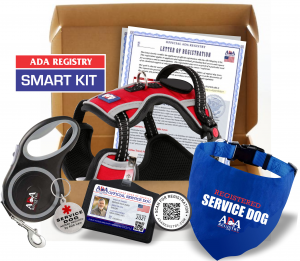
Public Access Kits
$149.00 Learn more This product has multiple variants. The options may be chosen on the product page -
Quick Ship Premium Vests
$48.00 – $82.00 Learn more This product has multiple variants. The options may be chosen on the product page -
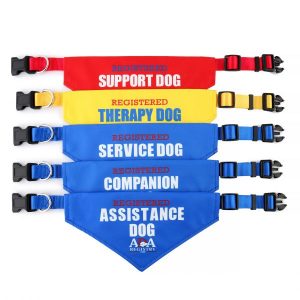
Service Dog Bandana
$39.95 Learn more This product has multiple variants. The options may be chosen on the product page
Custom ID Cards

Custom ID Cards
All States

Canada Cards
Custom Service Dog Tags
Official Dog Vests

Smart Vests
Official Public Access Kits
Complete Kits
USA & CANADA Letters

High Quality Bandanas
Service Dog Tags
Smart Tags

ESA TAGS