Belgian Malinois as a Therapy Dog
Register Any Breed
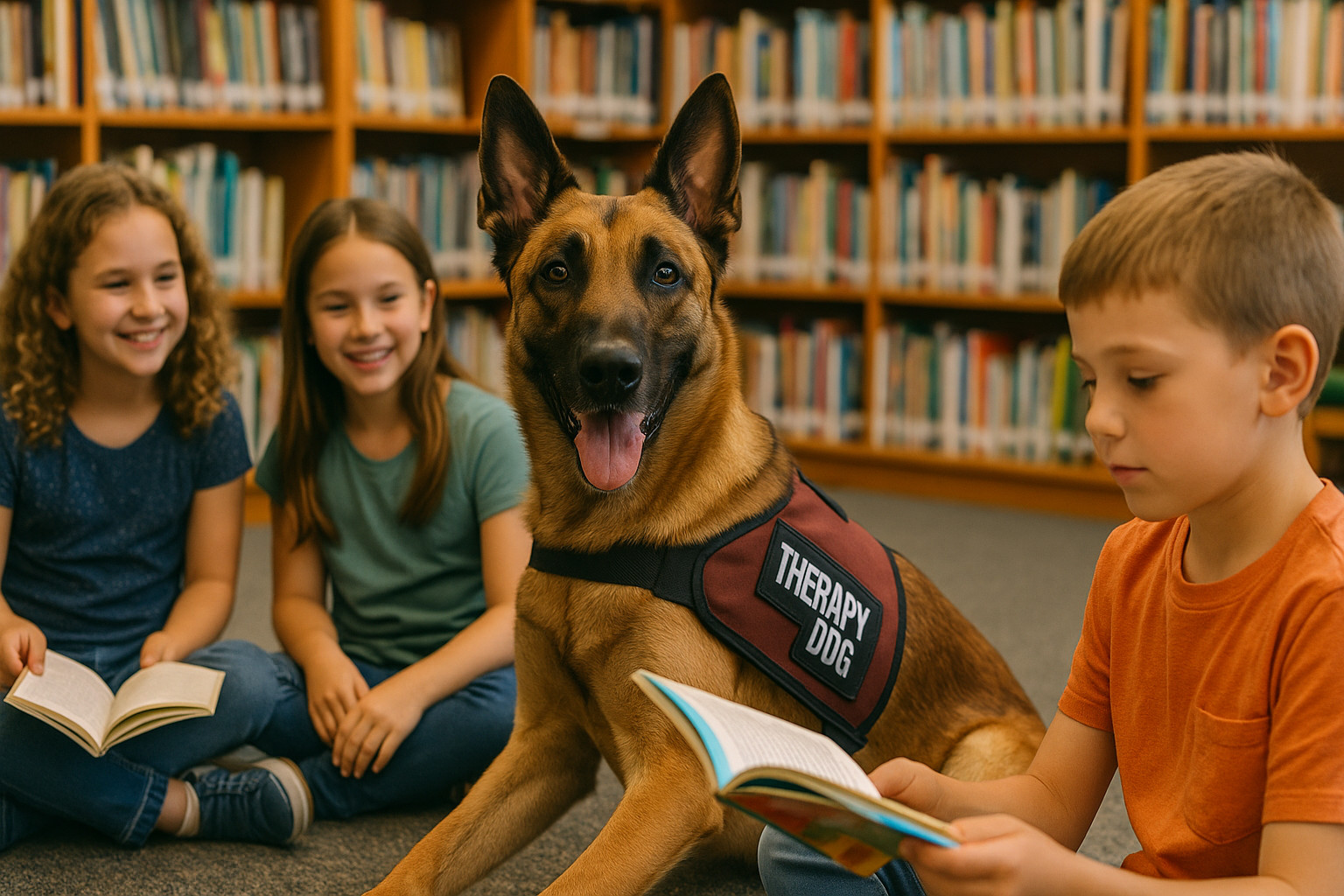
The Belgian Malinois, a breed often associated with high-energy tasks and protective roles, can be an exceptional therapy dog with the proper training and environment. Known for their intelligence and dedication, these dogs can bring tremendous benefit to those in need of emotional support and companionship. This article delves into how the Belgian Malinois fits into the role of a therapy dog, exploring its suitability, strengths, and considerations within various therapeutic settings.
Belgian Malinois as a Therapy Dog Overview
Understanding the Therapy Dog Role
Therapy dogs are integral to animal-assisted therapy, providing emotional support, comfort, and companionship in various settings. Unlike service or working dogs, therapy dogs visit multiple environments to interact with people, aiding in psychological healing and wellbeing.
- Key Characteristics Required:
- Empathy
- Calm demeanor
- Adaptability
- Social temperament
For the Belgian Malinois to thrive as a therapy dog, it's essential that they exhibit these characteristics, given that therapy roles often demand patience and gentleness to manage diverse human interactions.
Physical Appearance and Energy Level
The Belgian Malinois is a medium-to-large breed, muscular and agile, with a short coat that's easy to maintain. Known for their robust physicality, they possess high energy levels that, if well-managed, can be a positive aspect in dynamic environments like rehabilitation centers and schools.
- Advantages:
- Short coat for easy grooming
- High energy levels beneficial for engaging activities
Their physical presence can be grounding for some individuals, though their exuberance should be channeled constructively to avoid overwhelming those they aim to soothe.
Personality and Emotional Intelligence
Belgian Malinois are known for their keen intelligence and sensitivity to human emotions, attributes crucial for effective therapy dogs. Their innate ability to read emotional cues allows them to respond appropriately, providing comfort and relief to those who might feel anxious, depressed, or isolated.
- Empathy and Understanding:
- Strong emotional bonds with handlers and clients
- Ability to adjust energy based on the environment and individuals' needs
These characteristics make them well-suited for therapy settings, provided they have received adequate socialization and training in managing their responses to different emotional stimuli.
Register Any Breed
Environments Where Belgian Malinois Excels
Belgian Malinois thrive in environments where they can be active and engaged, making them excellent for therapy sessions that cater to children, adolescents, or individuals undergoing physical rehabilitation. They adapt well to interactive and slightly energetic settings where their playful nature can shine.
Common Therapy Settings
- Hospitals: Offer calming presence to patients during recovery, promoting quicker healing by reducing stress and anxiety levels.
- Schools: Engage children with interactive tasks, assisting in social skills development and reducing symptoms of anxiety and ADHD.
- Rehabilitation Centers: Encourage mobility and activity, supporting physical therapy with their energetic demeanor.
In each, their adaptable energy and willingness to engage can be exceptionally uplifting.
Interactions with Different Populations
The Belgian Malinois is versatile in its interactions, showing patience and a protective instinct, especially with vulnerable groups such as children and the elderly.
- Children: Their playful nature and intelligence can teach responsibility, empathy, and leadership.
- Elderly: Provide companionship and emotional support, alleviating feelings of loneliness.
- Patients in Recovery: Their energy encourages movement, aiding in rehabilitation efforts.
Health and Wellness Factors
A healthy Belgian Malinois contributes significantly to its effectiveness as a therapy dog. Regular health checks, proper diet, and exercise routines are critical to maintaining their physical condition and, consequently, their ability to serve in therapy roles.
Lifespan and Common Health Issues
Belgian Malinois typically live between 12-14 years. Some common health issues, however, include:
- Hip Dysplasia: Regular vet checkups can catch this early, allowing management to ensure their comfort.
- Vision Problems: Genetic testing and monitoring can prevent or mitigate effects on therapy work.
Preventive care and attentive management of these health issues are crucial to their reliability in therapy environments.
Maintenance and Care Needs
Their short coat requires minimal grooming, making maintenance straightforward. Regular brushing and occasional baths keep their coat healthy and are important for presenting a hygienic and comfortable presence in clinical environments.
Training and Certification Readiness
The intelligence and trainability of the Belgian Malinois are unmatched in many respects. They exhibit a strong work ethic, enabling them to quickly grasp therapy protocols. Training should focus on:
- Obedience and commands
- Socialization with various groups
- Emotional cue recognition and appropriate reactions
Their quick learning ability ensures they are prepared for certification processes required for therapy dogs.
Learning Style and Responsiveness
- Visual Learners: Respond well to hand signals and visual cues.
- Auditory Learners: Obedient to verbal commands, essential in varied therapy settings.
Adapting training methods to their preferred learning style enhances their responsiveness and effectiveness in therapeutic roles.
Handling Social and Emotional Stimuli
Belgian Malinois can handle diverse emotional stimuli effectively through:
- Consistency in Training: Ensures they remain grounded and calm.
- Exposure to Different Environments: Familiarizes them with varied social dynamics, enhancing adaptability.
Providing a balanced environment that includes periods of rest amid active engagement ensures their emotional and physical wellbeing.
Strengths, Limitations, and Ideal Roles for Belgian Malinois
Strengths:
- High empathy and sensitivity
- Engaging and energetic, promoting activity
Limitations:
- High energy requires management to prevent over-exuberance in quiet settings
- May be less suited for environments demanding absolute calm
Ideal Roles:
- Child therapy, physical rehabilitation, dynamic engagement-focused sessions
Final Thoughts
The Belgian Malinois can be a remarkable therapy dog, provided its strengths are harnessed and challenges managed. By creating a structured environment that accommodates their high energy and intelligence, they can offer profound emotional and therapeutic benefits to various populations.
Key Takeaways for the Belgian Malinois as a Therapy Dog
- Best suited for: Active environments such as schools and rehabilitation centers
- Not ideal for: Extremely calm or sedentary settings that require minimal activity
- Temperament highlights: Empathetic, intelligent, active
- Care and health notes: Requires regular exercise and healthcare maintenance
- Therapy environments where they shine: Child therapy, recovery centers, interactive programs
The Belgian Malinois, with its unique blend of temperament, intelligence, and zest for life, can serve as a cherished companion and effective therapy dog when guided with compassionate and informed training practices.


-
Public Access Kits
$149.00 Learn more This product has multiple variants. The options may be chosen on the product page -
Quick Ship Premium Vests
$48.00 – $82.00 Learn more This product has multiple variants. The options may be chosen on the product page -
Service Dog Bandana
$39.95 Learn more This product has multiple variants. The options may be chosen on the product page
Custom ID Cards

Custom ID Cards
All States

Canada Cards

Custom Service Dog Tags
Official Dog Vests

Smart Vests
Official Public Access Kits
Complete Kits
USA & CANADA Letters

High Quality Bandanas

Service Dog Tags
Smart Tags

ESA TAGS