Belgian Sheepdog as a Service Dog
Register Any Breed
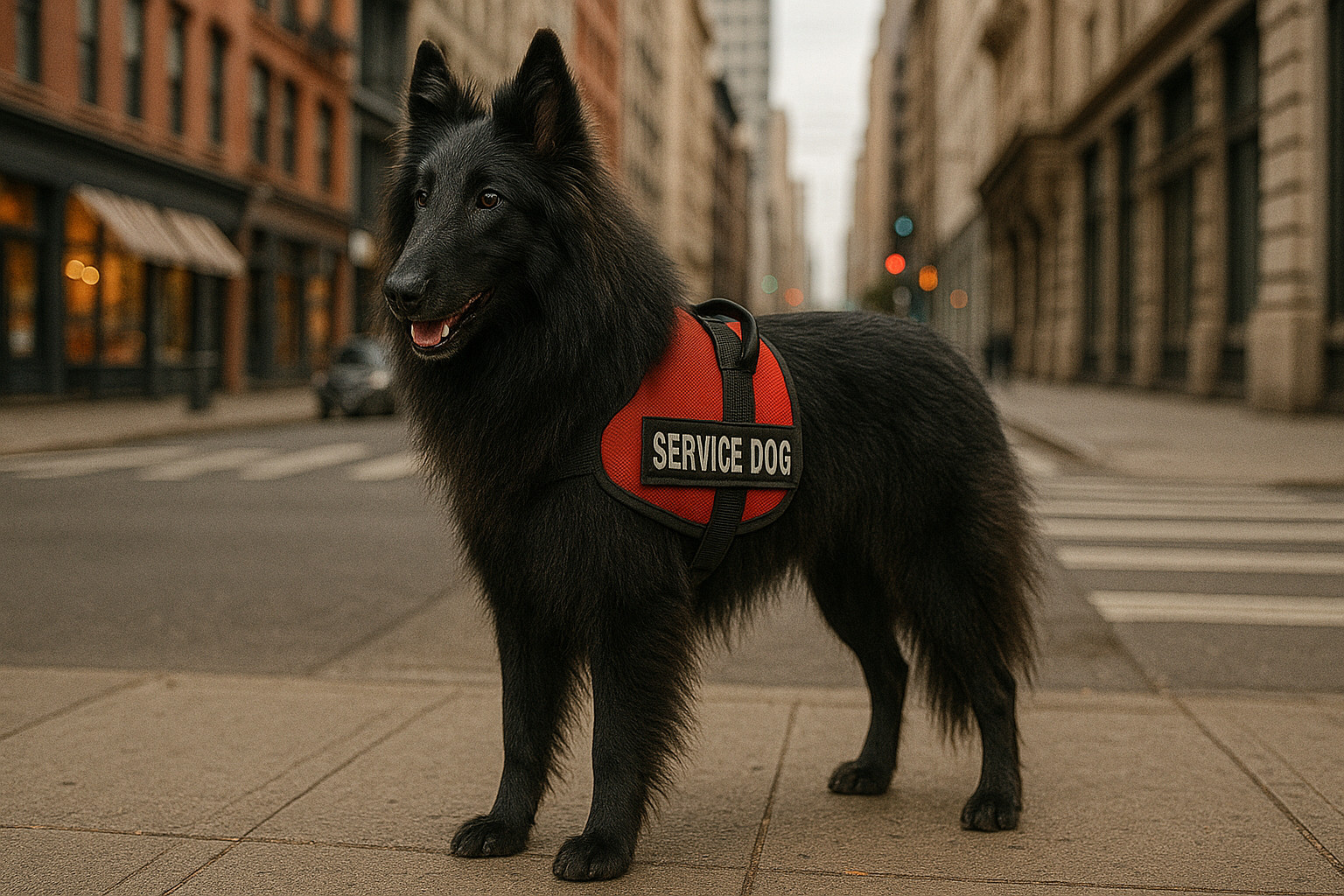
The Belgian Sheepdog, also known as the Groenendael, is a versatile and intelligent breed known for its exceptional work ethic and devotion to its handlers. As service dogs, they bring energy, dedication, and adaptability, making them candidates for various types of service work. This article explores why the Belgian Sheepdog can be a suitable choice as a service dog by examining their physical characteristics, temperament, types of service work, health considerations, and their overall trainability.
Belgian Sheepdog Overview
The Belgian Sheepdog is one of four varieties of Belgian herding breeds. With a strong working background, they have been utilized in diverse roles ranging from police work to therapy and service dog duties. Understanding their capabilities begins with a look into their physical and behavioral traits.
Physical Characteristics
Belgian Sheepdogs are medium to large dogs with an elegant, confident appearance. They have a well-proportioned and athletic body, allowing them to perform physically demanding tasks with ease.
- Size and Strength: Typically, males stand between 24 to 26 inches tall, while females range from 22 to 24 inches. They weigh around 60 to 75 pounds, providing them with the strength needed for tasks such as pulling wheelchairs or offering physical support.
- Coat and Maintenance: Their long, dense double coat offers protection against various weather conditions, essential for working both indoors and outdoors. However, this also means regular grooming is necessary to maintain their coats and prevent matting.
- Energy and Endurance: Belgian Sheepdogs are known for their high energy levels and endurance, ideal for active handlers requiring long hours of service work.
Why they may be unsuitable: Their size and energy levels can be overwhelming for individuals with limited space or those unable to meet their exercise needs. Additionally, their grooming requirements can be a commitment for some handlers.
Temperament and Attitude
The temperament of a Belgian Sheepdog plays a critical role in their suitability as service dogs. They are known for their intelligence, trainability, and sensitivity, which can be beneficial or challenging, depending on the context.
- Intelligence and Trainability: This breed is highly intelligent and quick to learn, which are essential traits for service dogs expected to perform complex tasks and adapt to different environments. Their eagerness to please their handler aids in their trainability.
- Sensitivity and Attachment: They form strong bonds with their handlers, often displaying a high level of sensitivity to their emotional states. While this makes them excellent companions for emotional support roles, it can also lead to separation anxiety if not properly managed.
- Public Behavior: Belgian Sheepdogs are typically alert and aware, making them vigilant in public settings. Proper socialization is crucial to ensure they remain calm and approachable around strangers and in busy environments.
Why they may be unsuitable: Their strong attachment to handlers can sometimes lead to over-dependence. Additionally, without proper socialization, they may become overly protective or timid in unfamiliar situations.
Types of Service Work
The Belgian Sheepdog's versatile skill set makes them suitable for various types of service work. Here's how they might be utilized:
Register Any Breed
- Mobility Assistance: Their strength and build allow them to assist with tasks such as opening doors, retrieving items, and providing physical support for people with mobility challenges.
- Medical Alert: With their acute sense of smell and attentiveness, Belgian Sheepdogs can be trained to detect medical conditions such as diabetes or seizures, alerting their handlers to potential emergencies.
- Psychiatric and Emotional Support: Their sensitivity to human emotions makes them excellent companions for individuals with PTSD, anxiety, or depression, offering comfort and stability.
- Search and Rescue: Though not strictly in the realm of service dogs, their tracking skills and endurance lend themselves well to search and rescue operations, providing invaluable assistance when finding missing individuals.
Why they may be unsuitable: High-energy levels and a need for regular mental stimulation may pose challenges for handlers unable to keep up or provide sufficient engagement.
Health Considerations
When considering a Belgian Sheepdog as a service dog, it's important to be aware of specific health issues that may impact their work.
- Hip Dysplasia: This common condition in larger breeds can affect their ability to perform physical tasks. Regular veterinary check-ups and maintaining a healthy weight can mitigate risks.
- Eye Conditions: Progressive Retinal Atrophy (PRA) and cataracts are known to affect Belgian Sheepdogs, potentially impairing their vision and range of work.
- Epilepsy: Some Belgian Sheepdogs may experience seizures, which could interfere with their ability to perform consistent service work.
Why these conditions matter: Health conditions can drastically reduce a service dog's working life and efficiency. Therefore, prospective handlers should seek dogs with a clean genetic background and maintain regular health check-ups.
Training and Suitability
Training a Belgian Sheepdog for service work requires dedication and consistency due to their high intelligence and strong work ethic.
- Training Approach: Positive reinforcement methods work best to capitalize on their eagerness to please. Consistent, engaging training sessions are crucial to keeping their minds stimulated and focused.
- Adaptability: Their ability to quickly learn and adapt to new commands is beneficial in environments where flexibility is essential, such as in public spaces or around other animals.
- Challenges: Without adequate mental and physical stimulation, Belgian Sheepdogs may become destructive or exhibit anxiety. A well-structured training program and routine are necessary to minimize these tendencies.
Why they may be unsuitable: Handlers with limited experience in managing high-energy or intelligent breeds may find training challenging. Professional training assistance is recommended to harness the breed's full potential.
Summary of Belgian Sheepdog
In conclusion, the Belgian Sheepdog can be a remarkable choice for service work, given the right circumstances and handler capabilities. Here are the key strengths and challenges to consider:
Strengths:
- Highly intelligent and trainable, excellent problem solvers.
- Strong and durable, suited for physically demanding tasks.
- Sensitive and attentive, making them great for emotional support roles.
Challenges:
- High energy levels require significant physical exercise and mental stimulation.
- Strong bonding can lead to separation anxiety if not managed.
- Grooming needs due to their long coats may be demanding.
Best Suited Service Roles:
- Mobility assistance, given their strength and build.
- Medical alert tasks, thanks to their keen senses.
- Emotional and psychiatric support, due to their empathy and attachment.
The Belgian Sheepdog, while requiring significant commitment from their handlers, can excel in various service roles, providing indispensable support and companionship. As with any breed, understanding their specific needs and traits is essential in ensuring a successful service dog partnership.


-
Public Access Kits
$149.00 Learn more This product has multiple variants. The options may be chosen on the product page -
Quick Ship Premium Vests
$48.00 – $82.00 Learn more This product has multiple variants. The options may be chosen on the product page -
Service Dog Bandana
$39.95 Learn more This product has multiple variants. The options may be chosen on the product page
Custom ID Cards

Custom ID Cards
All States

Canada Cards

Custom Service Dog Tags
Official Dog Vests

Smart Vests
Official Public Access Kits
Complete Kits
USA & CANADA Letters
High Quality Bandanas
Service Dog Tags
Smart Tags

ESA TAGS