Belgian Sheepdog as a Therapy Dog
Register Any Breed
Belgian Sheepdog as a Therapy Dog Overview
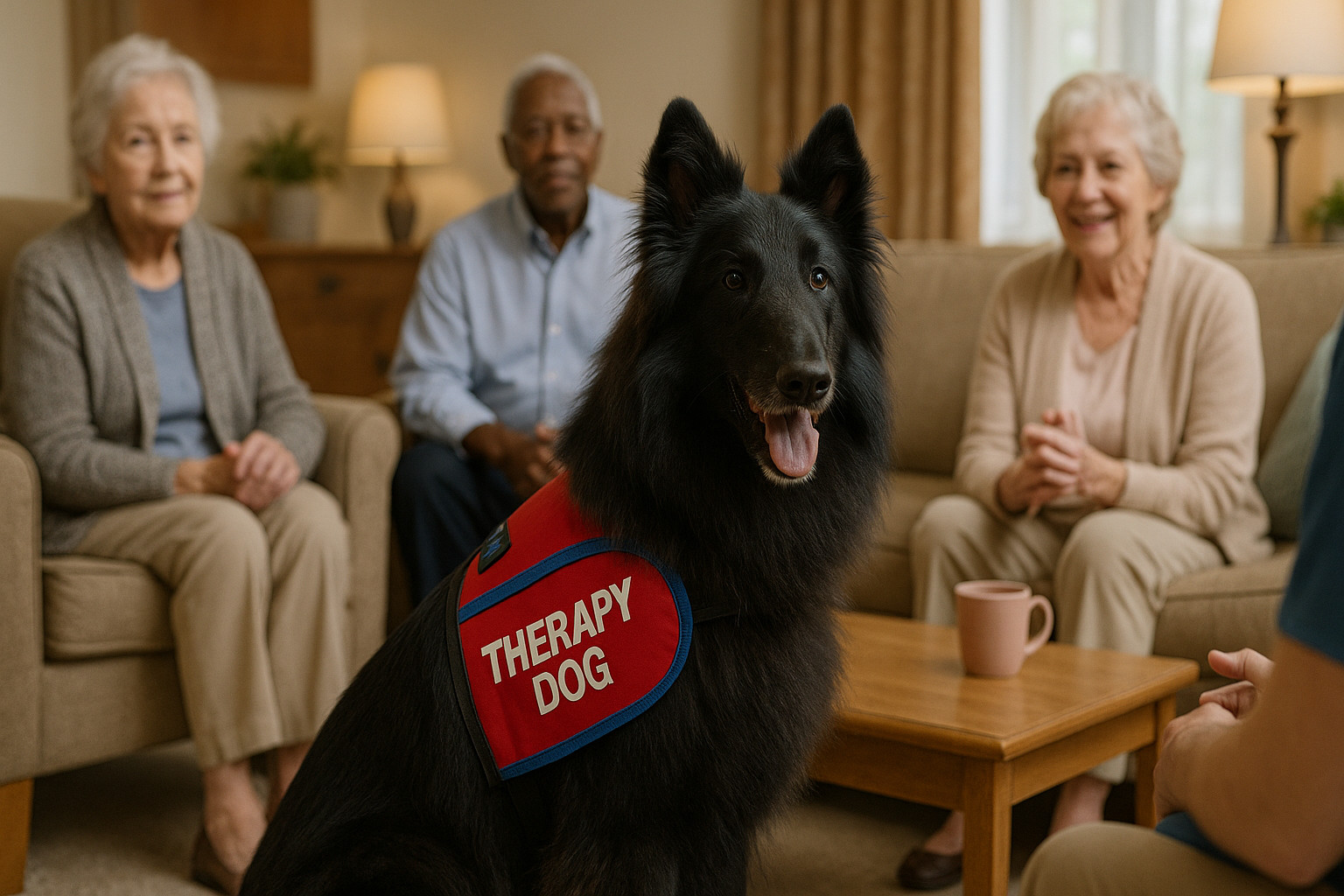
The Belgian Sheepdog, known for its intelligence and elegance, is emerging as a popular breed for therapy work. Its adaptability and empathetic nature make it an excellent companion in various therapeutic environments. This breed is not only loyal and responsive but also deeply intuitive, which is essential for effective therapy interactions.
Understanding the Therapy Dog Role
Therapy dogs are trained to provide comfort and emotional support through structured interactions in various settings such as hospitals, schools, and nursing homes. The presence of a therapy dog can significantly alleviate stress, bring joy, and foster communication among individuals who need psychological or emotional support.
Physical Appearance and Energy Level
The Belgian Sheepdog is a medium to large-sized dog characterized by its elegant black coat and athletic build. Their physical presence can be comforting due to their strong yet gentle demeanor. High energy is a hallmark of this breed, ensuring they remain active and engaging during therapy sessions. However, energy must be managed to prevent overwhelming those they are serving.
Personality and Emotional Intelligence
Belgian Sheepdogs are known for their alertness, intelligence, and sensitivity. These traits contribute to their success as therapy dogs, as they can easily read emotions and respond accordingly. Their capacity for empathy allows them to connect with patients, providing a soothing presence that helps in emotional regulation and healing.
Environments Where Belgian Sheepdog Excels
Belgian Sheepdogs make exceptional therapy dogs in various settings. Their calm disposition and consistent temperament are ideal for:
- Hospitals: Their gentle nature offers comfort to patients undergoing treatment.
- Schools: Patient and approachable, they help children with anxiety or learning difficulties.
- Rehabilitation Centers: Their motivating presence encourages individuals in physical recovery.
Common Therapy Settings
In therapy settings, Belgian Sheepdogs thrive in environments where their calming influence can be harnessed:
- Medical Facilities: They reduce anxiety in pre- and post-operative patients.
- Educational Environments: Assisting with social skills and behavioral therapy for children.
- Community Events: They offer a calming presence, facilitating engagement in social settings.
Interactions with Different Populations
Belgian Sheepdogs adapt well to interacting with diverse populations, including children, the elderly, and individuals with special needs. Their intuitive nature allows them to sense and adjust to visitors' moods and stresses:
Register Any Breed
- Children: Engage well in playful interactions, easing fears and encouraging learning.
- Elderly: Provide companionship and alleviate loneliness, fostering emotional well-being.
- Special Needs: Their calm and predictable demeanor is beneficial in therapeutic activities.
Health and Wellness Factors
A healthy Belgian Sheepdog ensures they are fit to serve as a therapy dog. Regular veterinary check-ups and a balanced diet help maintain their energy levels and prevent health issues. A well-maintained dog can provide consistent therapy services, fostering trust and reliability in therapy settings.
Lifespan and Common Health Issues
Belgian Sheepdogs typically live 10-14 years. Common health issues include hip dysplasia and eye problems, which must be considered for therapy certification. Ensuring they are healthy ensures they can freely interact and participate in therapy sessions without discomfort.
Maintenance and Care Needs
Belgian Sheepdogs require regular grooming to maintain their dense coat and minimize shedding. This upkeep ensures they present well in therapy settings and helps prevent allergies in those they visit. Regular grooming also offers a chance to check for health issues, supporting their readiness for therapy work.
Training and Certification Readiness
Training Belgian Sheepdogs for therapy requires focus on social behaviors and emotional intelligence. They must pass certification requirements, demonstrating their ability to remain calm, gentle, and attentive in therapy settings. Their high intelligence supports quick learning, making training effective and rewarding.
Learning Style and Responsiveness
Due to their intelligence, Belgian Sheepdogs respond well to positive reinforcement and consistent training patterns. They enjoy learning and performing tasks, adapting to the varying demands of therapy environments. Patience and repetition in training enhance their natural skills, preparing them for diverse scenarios.
Handling Social and Emotional Stimuli
Belgian Sheepdogs have the capacity to handle complex social and emotional stimuli effectively. Their ability to remain calm under diverse conditions makes them suitable for emotionally charged environments. By maintaining a serene demeanor, they offer unwavering support and comfort.
Strengths, Limitations, and Ideal Roles for Belgian Sheepdog
The key strengths of Belgian Sheepdogs in therapy roles include their empathy, adaptability, and intelligence. However, their high energy requires channeling to prevent overwhelming interactions. They are best suited for environments where they can engage actively without causing stress to the patients.
Final Thoughts
Belgian Sheepdogs possess an exceptional combination of traits that make them outstanding therapy dogs. Their empathic nature, coupled with their intelligence and responsiveness, ensures they provide immense comfort and support in various therapy settings. With proper training and care, they can offer invaluable assistance in improving the emotional and psychological well-being of individuals across different environments.
Key Takeaways for the Belgian Sheepdog as a Therapy Dog
- Best suited for: Hospitals, schools, rehabilitation centers, and nursing homes.
- Not ideal for: Very high-stress environments without space for active engagement.
- Temperament highlights: Empathetic, intelligent, responsive, and calm.
- Care and health notes: Regular grooming, health monitoring for hip dysplasia and eye conditions.
- Therapy environments where they shine: Medical facilities, educational settings, and community engagement events.
By understanding the unique qualities of the Belgian Sheepdog, therapy practitioners can effectively incorporate these remarkable animals into their programs, maximizing the therapeutic benefits they provide.


-
Public Access Kits
$149.00 Learn more This product has multiple variants. The options may be chosen on the product page -
Quick Ship Premium Vests
$48.00 – $82.00 Learn more This product has multiple variants. The options may be chosen on the product page -
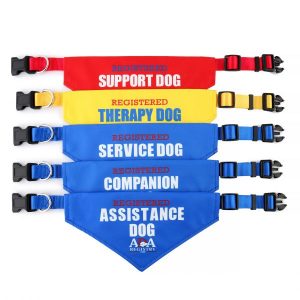
Service Dog Bandana
$39.95 Learn more This product has multiple variants. The options may be chosen on the product page
Custom ID Cards

Custom ID Cards
All States

Canada Cards

Custom Service Dog Tags
Official Dog Vests

Smart Vests
Official Public Access Kits
Complete Kits
USA & CANADA Letters

High Quality Bandanas
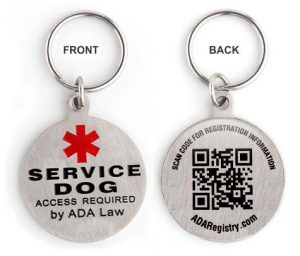
Service Dog Tags
Smart Tags

ESA TAGS