Berger Picard as a Service Dog
Register Any Breed
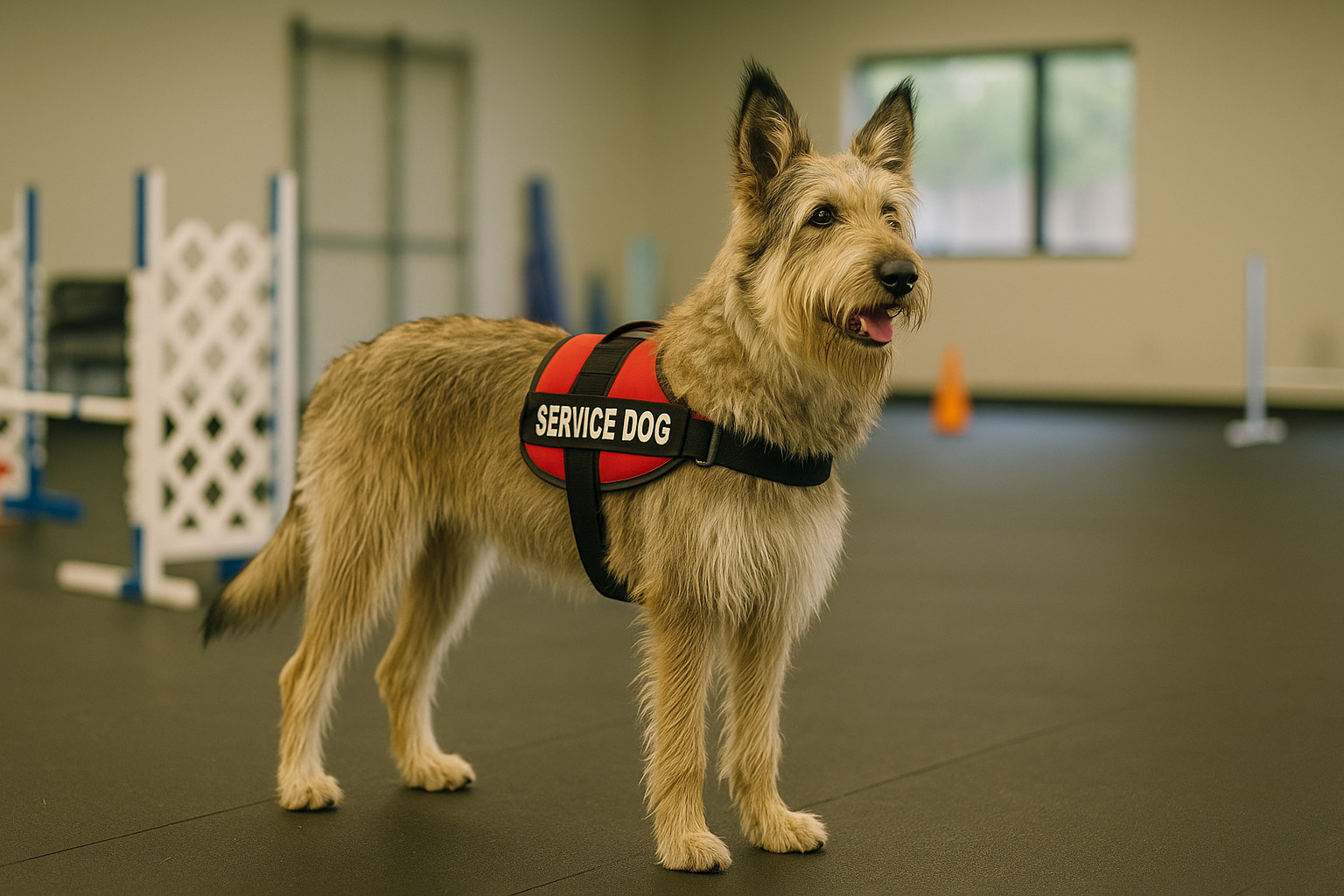
The Berger Picard is a rare and ancient dog breed originating from the Picardy region of France. Their charming personalities and unique appearance make them an intriguing choice for a service dog role. However, training a Berger Picard as a service animal requires careful consideration of their physical attributes, temperament, and health-related factors.
Berger Picard Overview
Berger Picards are known for their loyal and intelligent nature. Historically used for herding sheep, these dogs possess a strong work ethic and can adapt to various environments and situations. Their distinct wiry coats give them a rustic appearance, while their expressive eyes and erect ears signify alertness and curiosity.
Physical Characteristics
A Berger Picard is a medium-sized dog, typically weighing between 50 and 70 pounds and standing 21 to 25 inches tall at the shoulder. Their sturdy build and agile movement are well-suited for tasks that require endurance and strength.
- Size and Strength:
The moderate size of Berger Picards allows them to perform physical tasks effectively without being overwhelming in size. This is advantageous for individuals needing a balance between strength and manageability.
- Coat and Grooming Needs:
Having a weather-resistant, double coat, the Berger Picard can comfortably work in various climates. However, their coat requires regular maintenance to prevent matting—a consideration for potential handlers.
Temperament and Attitude
The natural demeanor of a Berger Picard can significantly influence their suitability as a service dog. Known for their intelligence and affectionate nature, these dogs can form deep bonds with their handlers.
- Intelligence:
Their quick learning ability allows them to grasp service dog tasks effectively, but it also means they require varied and consistent training to prevent boredom.
Register Any Breed
- Adaptability and Sociability:
While generally friendly, Berger Picards might be reserved around strangers initially. This characteristic can be both a benefit and a challenge, as they tend to be cautious without being overly protective.
- Stress and Stimulation:
Exposed to early socialization, these dogs manage stressful environments well. Their herding background has accustomed them to fast-paced settings, but ongoing exposure and training are necessary to maintain relaxed behavior in public spaces.
Types of Service Work
Berger Picards can be versatile service animals if trained appropriately. They are particularly beneficial in roles that leverage their agility, intelligence, and strong protective instincts.
- Mobility Assistance:
Their size and strength make them capable supports for individuals needing help with steadying or retrieving objects.
- Medical Alert Assistance:
Given their intelligence and keen senses, Berger Picards can be trained to respond to medical alert situations, such as detecting imminent seizures or drops in blood sugar.
- Psychiatric Support:
Due to their strong bond with handlers, they can be effective emotional support animals, providing comfort and reducing anxiety in stressful situations.
Health Considerations
Like all breeds, Berger Picards have specific health concerns that should be understood in the context of service work.
- Common Health Issues:
The breed is generally healthy but may be prone to hip dysplasia, progressive retinal atrophy, and certain allergies. Regular veterinary check-ups and a well-managed diet are crucial to ensure their well-being.
- Impact on Service Work:
Any health condition can impact a service dog's performance. Awareness and proactive management of these health issues can extend their service life and enhance their quality of work.
Training and Suitability
Training a Berger Picard requires dedication and expertise due to their intelligent and independent nature.
- Trainability:
Berger Picards are quick learners but can demonstrate independence, which may require additional efforts from trainers to ensure they remain focused and engaged.
- Consistency and Patience:
Due to their intelligence, they require varied activities and consistent training frameworks to keep them engaged.
- Socialization Needs:
Early and ongoing socialization is crucial to develop a balanced temperament, allowing them to function seamlessly in diverse environments.
Summary of Berger Picard
In summation, the Berger Picard's combination of physical attributes, intelligence, and affectionate temperament gives them the potential to be effective service dogs under the right circumstances. However, their health considerations and independent streak mean they may be more suitable for experienced handlers or trainers.
- Strengths:
- Adept at various service tasks due to their intelligence and agility.
- Form strong, loyal bonds, beneficial in service dog roles.
- Adaptability to different climates and environments.
- Weaknesses:
- Health issues such as hip dysplasia may limit long-term service work.
- Requires consistent handling to manage independence and potential for stubbornness.
- Ideal Roles:
- Mobility assistance
- Medical alert assistance
- Emotional support and psychiatric support
Understanding these factors can inform potential handlers and trainers in deciding whether a Berger Picard might be the right fit for specific service work needs. With the right environment and guidance, they can be effective and dedicated partners.


-
Public Access Kits
$149.00 Learn more This product has multiple variants. The options may be chosen on the product page -
Quick Ship Premium Vests
$48.00 – $82.00 Learn more This product has multiple variants. The options may be chosen on the product page -
Service Dog Bandana
$39.95 Learn more This product has multiple variants. The options may be chosen on the product page
Custom ID Cards

Custom ID Cards
All States

Canada Cards

Custom Service Dog Tags
Official Dog Vests

Smart Vests
Official Public Access Kits
Complete Kits
USA & CANADA Letters
High Quality Bandanas
Service Dog Tags
Smart Tags

ESA TAGS