Bernese Mountain Dog as a Therapy Dog
Register Any Breed
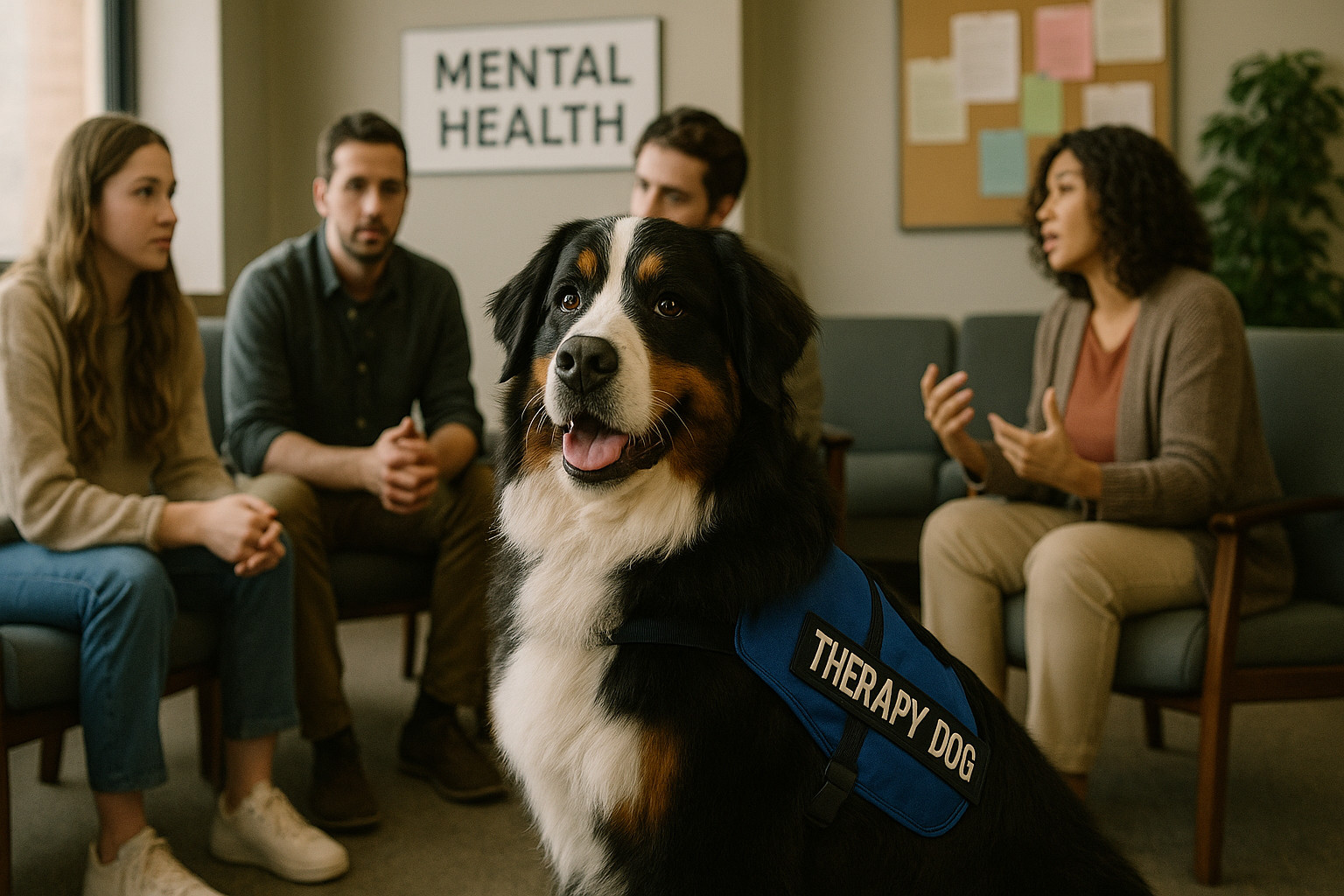
The Bernese Mountain Dog, with its gentle and affectionate personality, has carved a niche as a beloved therapy dog. This breed’s unique combination of physical presence and emotional intuitiveness makes it a valuable partner in various therapeutic environments. This article explores the Bernese Mountain Dog’s potential as a therapy dog, examining its traits, adaptability, and the challenges it may face in a therapy role.
Bernese Mountain Dog as a Therapy Dog Overview
Understanding the Therapy Dog Role
Therapy dogs are trained to provide comfort, emotional support, and affection to people in hospitals, schools, nursing homes, and other settings where mental and emotional well-being is prioritized. Unlike service dogs, therapy dogs do not perform specific tasks for individuals with disabilities but instead offer general therapeutic benefits through their presence and interaction. The role requires empathy, calmness, and adaptability, attributes well-aligned with the nature of the Bernese Mountain Dog.
Physical Appearance and Energy Level
The Bernese Mountain Dog is a large breed, known for its striking tri-color coat, expressive eyes, and strong build. Standing between 23 to 27.5 inches at the shoulder, their imposing stature can be both an asset and a limitation in therapeutic settings.
- Advantages: Their large size and sturdy bodies make them particularly suitable for therapy work in settings where physical touch and tactile stimulation are important, such as with children and adults who benefit from substantial contact.
- Considerations: Handling may require a confident handler, especially in environments with wheelchairs or tight spaces, thus necessitating explicit training to ensure they remain gentle and controlled in all settings.
Personality and Emotional Intelligence
Bernese Mountain Dogs are renowned for their friendly, affectionate nature and profound ability to pick up on human emotions. Their innate desire to please and innate patience lend themselves well to therapeutic work.
- Empathy: They possess a heightened sense of emotional awareness, often appearing to understand the needs of those they interact with.
- Calm Demeanor: Their generally calm and laid-back attitude helps them adapt well to environments that require serenity and quiet companionship.
- Adaptability: Despite being a working breed, Bernese Mountain Dogs can transition smoothly into sedentary environments, an important trait for therapy roles involving lengthy visits at hospitals or care centers.
Environments Where Bernese Mountain Dog Excels
Common Therapy Settings
The Bernese Mountain Dog’s size, comforting demeanor, and emotional acuity make it particularly beneficial in certain therapeutic environments:
- Hospitals and Nursing Homes: Their gentle nature and affectionate presence can uplift patients while their keen ability to read emotions offers comfort to those in distress.
- Rehabilitation Centers: The breed’s patience and resilience work well in settings where clients may face frustration, aiding in emotional regulation and support.
- Schools and Educational Facilities: They can provide invaluable emotional support to children, helping those who struggle with anxiety or emotional disturbances to feel more grounded and connected.
Interactions with Different Populations
Bernese Mountain Dogs are known for their versatility in interacting with a wide array of individuals, from young children to the elderly:
- Children: Their gentle, loving nature can soothe anxious or troubled children, promoting positive behavioral changes.
- Adults: With adults, they provide grounding presence, often encouraging social interactions and reducing feelings of isolation.
- Elderly: The breed’s calming effect is particularly beneficial for older adults, offering companionship and a sense of security.
Health and Wellness Factors
Lifespan and Common Health Issues
The health and wellness of a Bernese Mountain Dog can impact its effectiveness as a therapy dog:
Register Any Breed
- Lifespan: Typically, Bernese Mountain Dogs live between 7 to 10 years. Their relatively short lifespan compared to other breeds can be a consideration in therapy placements where continuity is valued.
- Health Issues: Common ailments include hip dysplasia, elbow dysplasia, and potential hereditary cancers. Regular veterinary care is necessary to maintain their health, ensuring they remain capable of fulfilling their therapy role.
Maintenance and Care Needs
- Grooming: Their thick, double coat requires regular grooming to prevent matting and maintain a clean appearance, which is essential when interacting with vulnerable populations.
- Exercise: Daily exercise is crucial to maintaining their physical health and preventing obesity, which could hinder their comfort and longevity in a therapy setting.
Training and Certification Readiness
Learning Style and Responsiveness
The Bernese Mountain Dog’s openness to training and its ability to respond to handler cues are pivotal in therapy work:
- Intelligence: This breed is intelligent and receptive, capable of learning complex tasks and understanding social cues.
- Responsiveness: They respond well to positive reinforcement techniques, making them relatively easy to train for therapy certification.
Handling Social and Emotional Stimuli
Handling diverse stimuli is crucial for therapy dogs, and Bernese Mountain Dogs excel in this area:
- Socialization: Early socialization is fundamental to ensuring they remain confident and unafraid in novel situations.
- Emotional Resilience: Their inherent emotional resilience allows them to recover quickly from stressful encounters, maintaining a stable demeanor necessary for therapy work.
Strengths, Limitations, and Ideal Roles for Bernese Mountain Dog
The Bernese Mountain Dog possesses numerous traits that make it an outstanding candidate for therapy work, alongside some limitations:
- Strengths: Their empathetic nature, calm presence, and reliability make them favorites in therapeutic environments.
- Limitations: Their size can be a hindrance in small spaces, and their grooming needs require commitment to ensure they are always presentable and allergen-free.
Final Thoughts
As a therapy dog, the Bernese Mountain Dog offers a unique combination of physical assurance and emotional comfort, making it well-suited to various therapeutic roles. Understanding their strengths and limitations allows handlers to leverage their natural abilities, providing substantial emotional support to those in need.
Key Takeaways for the Bernese Mountain Dog as a Therapy Dog
- Best suited for: Hospital visits, rehabilitation centers, and schools where their size and calming presence can be maximized.
- Not ideal for: Confined spaces or environments demanding high agility due to their large size.
- Temperament highlights: Empathetic, calm, and patient, making them adaptable in various therapeutic settings.
- Care and health notes: Requires regular grooming and attentive health checkups due to susceptibility to certain genetic conditions.
- Therapy environments where they shine: Excel in settings that appreciate calm, loving companionship, and environments accommodating larger breeds.


-
Public Access Kits
$149.00 Learn more This product has multiple variants. The options may be chosen on the product page -
Quick Ship Premium Vests
$48.00 – $82.00 Learn more This product has multiple variants. The options may be chosen on the product page -
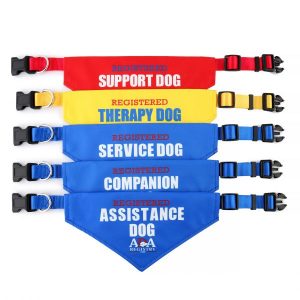
Service Dog Bandana
$39.95 Learn more This product has multiple variants. The options may be chosen on the product page
Custom ID Cards

Custom ID Cards
All States

Canada Cards

Custom Service Dog Tags

Official Dog Vests
Smart Vests
Official Public Access Kits
Complete Kits
USA & CANADA Letters

High Quality Bandanas
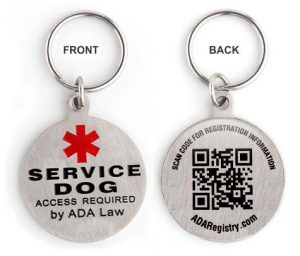
Service Dog Tags
Smart Tags

ESA TAGS