Bichon Frise as a Service Dog
Register Any Breed
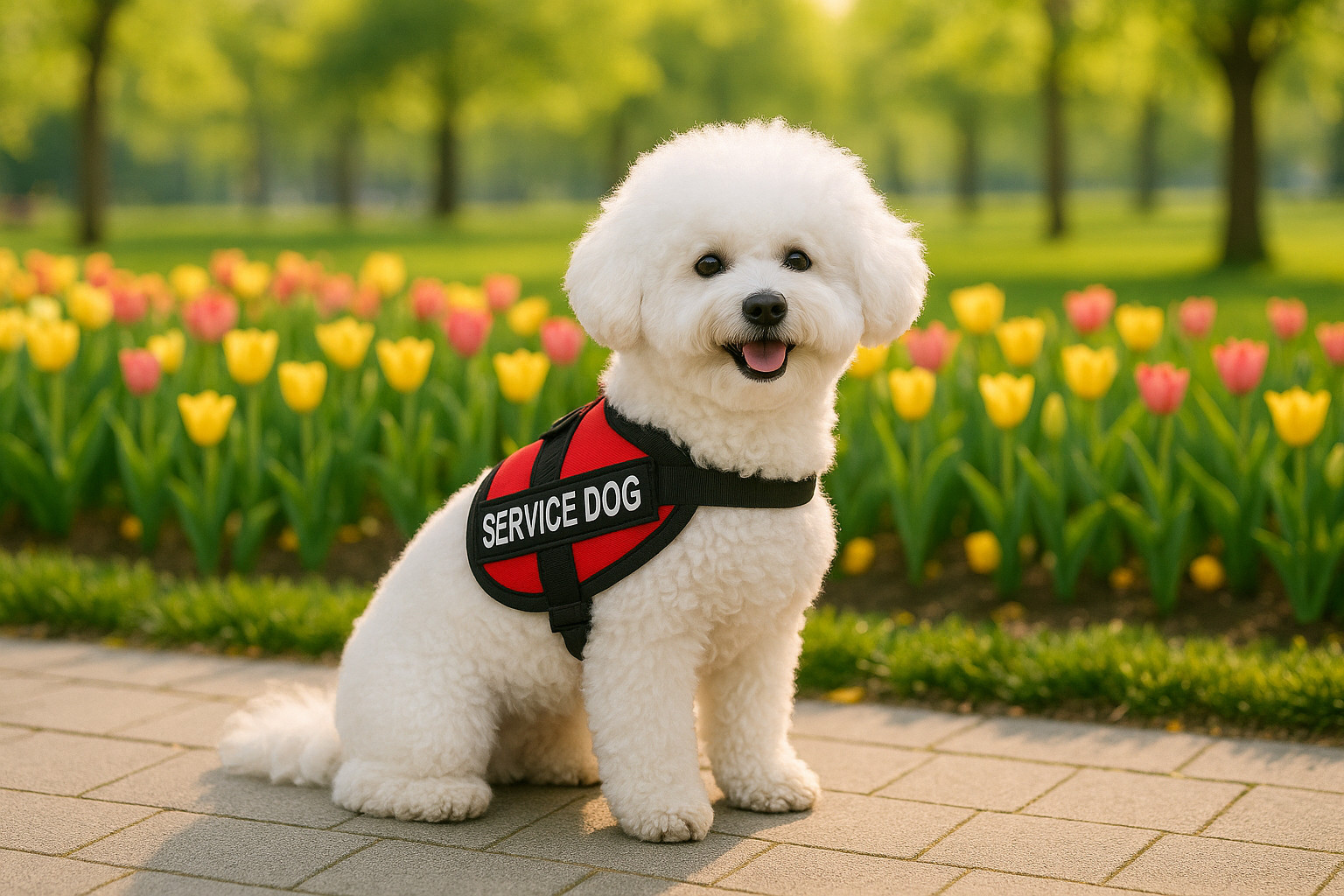
The Bichon Frise is often admired for its fluffy white coat, cheerful disposition, and lively personality. While not as commonly recognized as service dogs compared to Retrievers or Shepherds, the Bichon Frise can play a valuable role in specific service capacities, especially for individuals with unique needs. This article aims to explore the suitability of the Bichon Frise as a service dog, considering its physical characteristics, temperament, applicable service work types, health considerations, training suitability, and an overall summary.
Bichon Frise Overview
Originating from the Mediterranean, the Bichon Frise has historically been a companion animal, known for its friendly nature and companionship abilities. This small breed, measuring between 9.5 to 11.5 inches tall and weighing between 12 to 18 pounds, is particularly noted for its hypoallergenic coat, making it an excellent choice for individuals with allergies. These dogs are robust despite their small size, often exuding a happy demeanor that charms everyone around them.
Physical Characteristics
The Bichon Frise's most distinguishing physical trait is its curly, powder-puff-like coat. Here are some key attributes related to its physical characteristics:
- Size: Typically small, which can be a double-edged sword in service work. While their size makes them easy to manage and suited for indoor tasks, it limits their ability in physically demanding roles such as mobility assistance.
- Coat and Grooming: Their hypoallergenic coat requires regular grooming. While this is beneficial for allergy sufferers, it can be a maintenance consideration for owners.
- Energy Levels: Moderately energetic, they require daily exercise which can be met through simple indoor play or brief walks, aligning well with owners who may not lead an overly active lifestyle.
Temperament and Attitude
The Bichon Frise is renowned for its merry temperament and adaptable attitude. This makes them quite suitable for specific service roles:
- Affectionate Nature: Known for forming strong bonds with their owners, the Bichon Frise is highly attuned to human emotions, making them excellent emotional support animals.
- Adaptability: Their ability to quickly adjust to new environments and people allows them to thrive in various public settings without much stress.
- Playfulness and Cheerfulness: These traits make them delightful companions, helping their handlers in easing stress and anxiety.
- Social Behavior: They generally get along well with other pets and children, although socialization is crucial to prevent any nervousness around new experiences.
Types of Service Work
Although their size limits them in certain service capacities, Bichon Frises excel in other specialized roles:
- Emotional Support: Due to their warm, affectionate nature, Bichon Frises provide excellent emotional support, helping alleviate symptoms of anxiety and depression.
- Therapy Dogs: Their welcoming demeanor makes them suitable for therapy roles in hospitals, nursing homes, and schools.
- Psychiatric Service: These dogs can be trained to offer grounding tasks for individuals with PTSD or anxiety disorders, such as providing tactile stimulation during moments of panic.
Health Considerations
Like all breeds, the Bichon Frise has specific health considerations that can impact its service capability:
- Common Health Issues: They may experience allergies, dental issues, and conditions such as patellar luxation and cataracts, which require monitoring and management.
- Longevity: With an average lifespan of about 12-15 years, they can offer long-term partnership if health is well-maintained.
- Regular Veterinary Care: Essential to ensure their small breed-specific conditions, such as bladder stones, do not hinder their service duties.
Training and Suitability
Training a Bichon Frise involves leveraging their intelligence and eagerness to please:
Register Any Breed
- Trainability: While intelligent, they may require consistent training due to their independent streak. Early training is recommended to establish positive behaviors.
- Positive Reinforcement: A training approach based on positive reinforcement is most effective with this breed, ensuring they remain motivated and engaged.
- Socialization: Key to preventing behavioral issues; exposing them to diverse environments early on will promote calm and adaptable behavior.
Summary of Bichon Frise
The Bichon Frise, with its delightful personality and adaptability, can excel as a service dog in specific roles, primarily as emotional or therapy companions. However, potential handlers should consider the breed's physical limitations and health needs.
Key Points:
- Strengths:
- Excellent emotional support and therapy capabilities
- Hypoallergenic coat suitable for allergy sufferers
- Adaptable and easy-going personality
- Weaknesses:
- Size limits abilities in mobility assistance roles
- Requires regular grooming
- Prone to certain health issues
- Ideal Service Roles:
- Emotional Support Animal
- Therapy Dog
- Psychiatric Service Dog
In conclusion, the Bichon Frise, when properly trained and socialized, can be an exceptional service dog for individuals seeking companionship and emotional or psychiatric support. Their loving nature and pleasant demeanor make them wonderful partners, offering unwavering support and warmth to their human counterparts.


-
Public Access Kits
$149.00 Learn more This product has multiple variants. The options may be chosen on the product page -
Quick Ship Premium Vests
$48.00 – $82.00 Learn more This product has multiple variants. The options may be chosen on the product page -
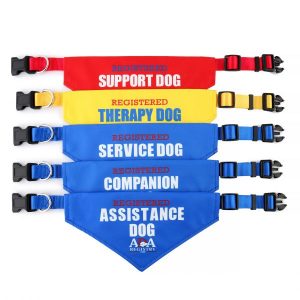
Service Dog Bandana
$39.95 Learn more This product has multiple variants. The options may be chosen on the product page
Custom ID Cards

Custom ID Cards
All States

Canada Cards

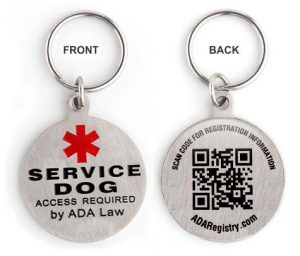
Custom Service Dog Tags
Official Dog Vests

Smart Vests
Official Public Access Kits

Complete Kits
USA & CANADA Letters
High Quality Bandanas
Service Dog Tags
Smart Tags

ESA TAGS