Bloodhound as an Emotional Support Dog
Register Any Breed
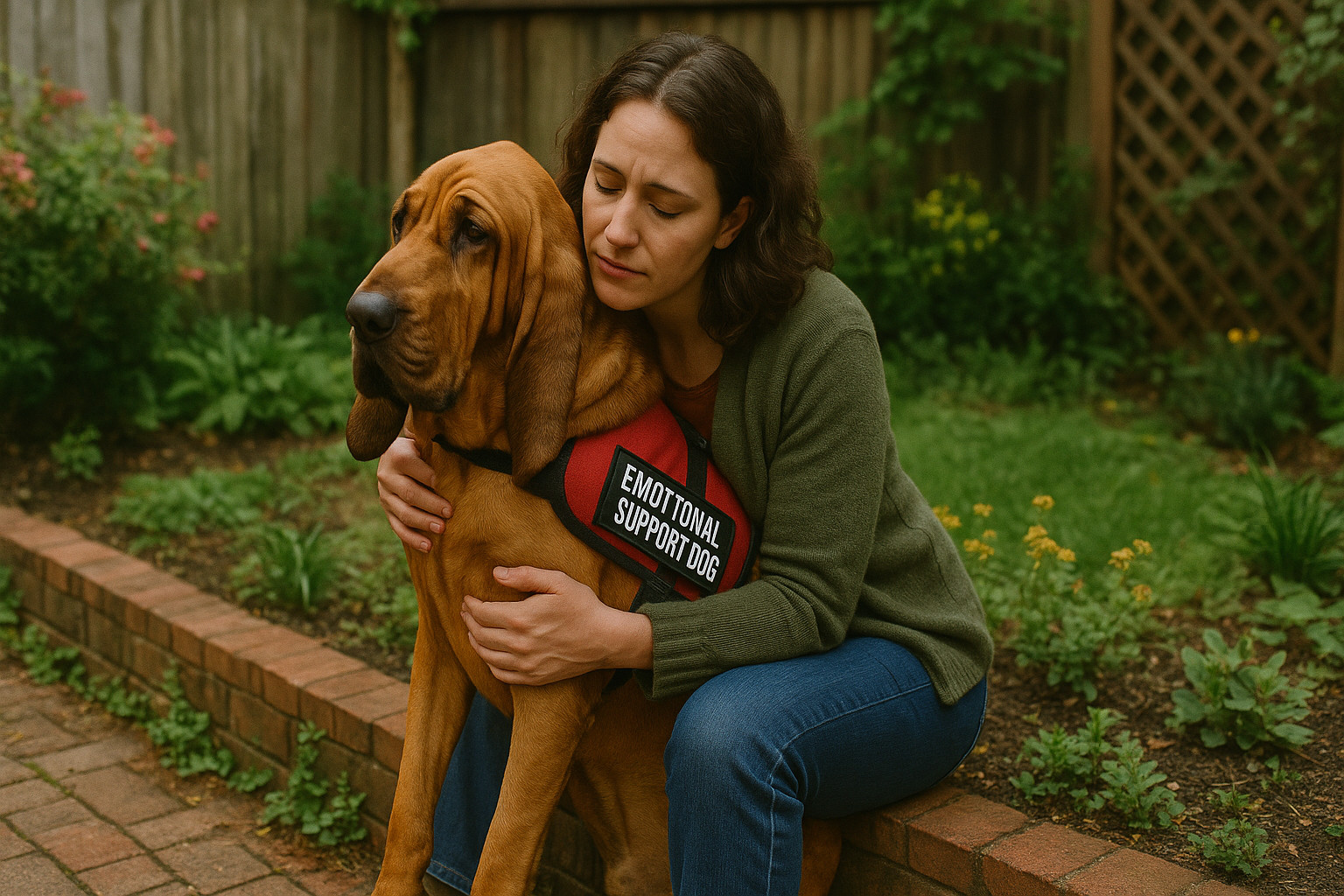
Bloodhounds are renowned for their exceptional tracking abilities, but they also possess qualities that make them excellent emotional support animals (ESAs). Their gentle demeanor, keen sensitivity to human emotions, and affectionate nature render them capable of providing substantial emotional support. This comprehensive guide will delve into the suitability of Bloodhounds as emotional support dogs, exploring their traits, temperament, adaptability, and the environments where they thrive best.
Understanding the Emotional Support Role
Emotional Support Animals (ESAs) offer comfort and support to individuals with emotional or mental health challenges. Unlike service dogs, ESAs are not trained to perform specific tasks but instead provide companionship, reducing symptoms like anxiety, depression, and loneliness.
Bloodhound Overview
Born trackers with a fascinating history, Bloodhounds are large scent hounds known for their droopy ears, loose skin, and soulful eyes — features that add to their charming and approachable appearance. These dogs are renowned for their dedication and loyalty, which translates well into an emotional support role.
- Size and Appearance: Bloodhounds are a large breed, typically weighing between 80 to 110 pounds, with a height of 23 to 27 inches.
- Lifespan: On average, Bloodhounds live for 10 to 12 years.
- Energy Levels: Moderately energetic, requiring daily exercise but also prone to enjoying downtime.
Temperament and Emotional Connection
Known for their undeniable compassion, Bloodhounds have a temperament that favors emotional support work. Their inclination towards forging deep connections with their human companions is rooted in several key characteristics:
- Empathy and Sensitivity: Bloodhounds are intensely empathetic, often sensing and responding to changes in the emotional state of those around them.
- Loyalty and Dedication: Once bonded, a Bloodhound offers unwavering support and companionship, which can be profoundly comforting to individuals in need.
- Calm Disposition: Generally laid-back and serene, Bloodhounds create a soothing presence that reduces anxiety and stress.
Adaptability and Daily Behavior
Bloodhounds are adaptable creatures but may require specific conditions to thrive. Their behavior and adaptability in various daily settings are influenced by their need for companionship and mental engagement.
- Social Creatures: Bloodhounds thrive on interaction; loneliness can lead to anxiety or destructive behaviors.
- Routine Lovers: They benefit from regular routines, offering stability through consistent daily patterns.
- Mental Stimulation Needs: While not high-energy, they require mental engagement, such as scent games or leisurely walks to explore their environment.
Situations Where Bloodhound Provides Strong Support
Bloodhounds can be profound companions in various scenarios due to their emotional intuition:
- Grief Support: Their empathetic nature makes them comforting companions during times of loss or mourning.
- Anxiety Reduction: The calm and reassuring presence of a Bloodhound can help in alleviating anxiety.
- Emotional Stability: Their consistent companionship aids in stabilizing emotions, especially in volatile situations.
Ideal Living Environments
For Bloodhounds to excel as emotional support animals, they need a conducive environment:
Register Any Breed
- Family Homes: Ideal for families due to their patient and gentle nature with children.
- Rural or Suburban Areas: Space for leisurely exploration is beneficial, although they can adapt to urban settings with adequate exercise.
- Assisted Living Facilities: Their gentle nature allows them to function well in communal living environments, bringing comfort to multiple individuals.
Bonds with Different Types of People
Bloodhounds tend to form strong bonds with diverse demographics, providing tailored emotional support:
- Families: Bloodhounds fit seamlessly into family dynamics, offering a stable and nurturing presence.
- Elderly Individuals: Their calm nature is particularly appealing to older adults seeking a gentle companion.
- People with Anxiety Disorders: Their empathetic capabilities offer tangible emotional support.
Health, Care, and Wellbeing
Being proactive about a Bloodhound's care and health is crucial for maintaining their efficacy as an emotional support animal:
Common Health Considerations
Bloodhounds are predisposed to various health conditions owing to their size and genetic makeup.
- Ear Infections: Due to their long ears, regular cleaning is essential.
- Bloat: A common risk in deep-chested breeds, necessitating mindful feeding practices.
- Joint Issues: Orthopedic problems like hip dysplasia can occur, requiring veterinary care and weight management.
Grooming, Comfort, and Maintenance Needs
Bloodhounds are relatively low-maintenance in terms of grooming:
- Brushing and Bathing: Weekly brushing and regular baths keep their coats healthy and manage shedding.
- Ear Care: Regular ear inspections and cleaning prevent infections.
- Nutritional Needs: A balanced diet supports their overall health and longevity.
Preparing a Bloodhound for Emotional Support Work
Preparing a Bloodhound as an ESA involves thorough socialization and training to ensure they are reliable and responsive companions.
Socialization and Responsiveness
Socialization is key to ensuring a Bloodhound can navigate different environments while remaining supportive and calm:
- Exposure: Introduce varying environments from a young age to build adaptability.
- Basic Obedience: Commands like sit, stay, and come are vital for manageability.
- Response to Emotional Cues: Training to recognize and respond to specific emotional states enhances their support capabilities.
Managing Stress and Emotional Cues
Through attentive training, Bloodhounds learn to manage their stress and become attuned to the emotional needs of their human companions:
- Calm Training Approaches: Gentle, positive reinforcement supports their learning without stress induction.
- Emotion Reading: Encourage and reward behaviors that demonstrate an awareness of emotional cues.
Strengths, Challenges, and Ideal Homes for Bloodhound
Bloodhounds have unique strengths and some challenges as emotional support animals:
- Strengths:
- Deep empathy and an instinctive understanding of human emotions.
- Patient and gentle, making them ideal for households with children or the elderly.
- Challenges:
- Can suffer from separation anxiety.
- Need regular mental and physical stimulation to prevent boredom-induced mischief.
Final Thoughts
Bloodhounds hold an esteemed place as dedicated and empathetic emotional support dogs. While they are not universally suited to all environments or individuals, they offer profound companionship and comfort to those who understand and appreciate their unique needs and disposition.
—
Key Takeaways for the Bloodhound as an Emotional Support Dog
- Best suited for: Families, elderly individuals, rural or suburban living environments.
- Not ideal for: Individuals who cannot provide adequate time and companionship.
- Emotional traits: Loyal, empathetic, calming presence.
- Care and health notes: Regular ear care, attention to orthopedic and dietary needs.
- Environments where they provide the most comfort: Family homes, with individuals experiencing anxiety or grief, in calm and structured settings.
These gentle giants promise a wealth of love and support to those who welcome them into their lives, offering steadfast emotional stability and companionship.


-
Public Access Kits
$149.00 Learn more This product has multiple variants. The options may be chosen on the product page -
Quick Ship Premium Vests
$48.00 – $82.00 Learn more This product has multiple variants. The options may be chosen on the product page -
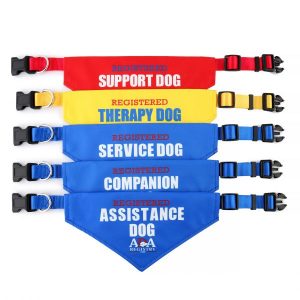
Service Dog Bandana
$39.95 Learn more This product has multiple variants. The options may be chosen on the product page
Custom ID Cards

Custom ID Cards
All States

Canada Cards

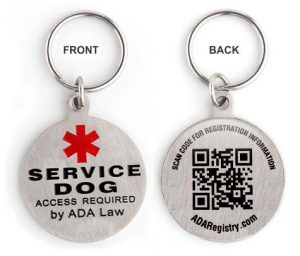
Custom Service Dog Tags
Official Dog Vests

Smart Vests
Official Public Access Kits

Complete Kits
USA & CANADA Letters
High Quality Bandanas
Service Dog Tags
Smart Tags

ESA TAGS