Bluetick Coonhound as a Therapy Dog
Register Any Breed
Bluetick Coonhound as a Therapy Dog Overview
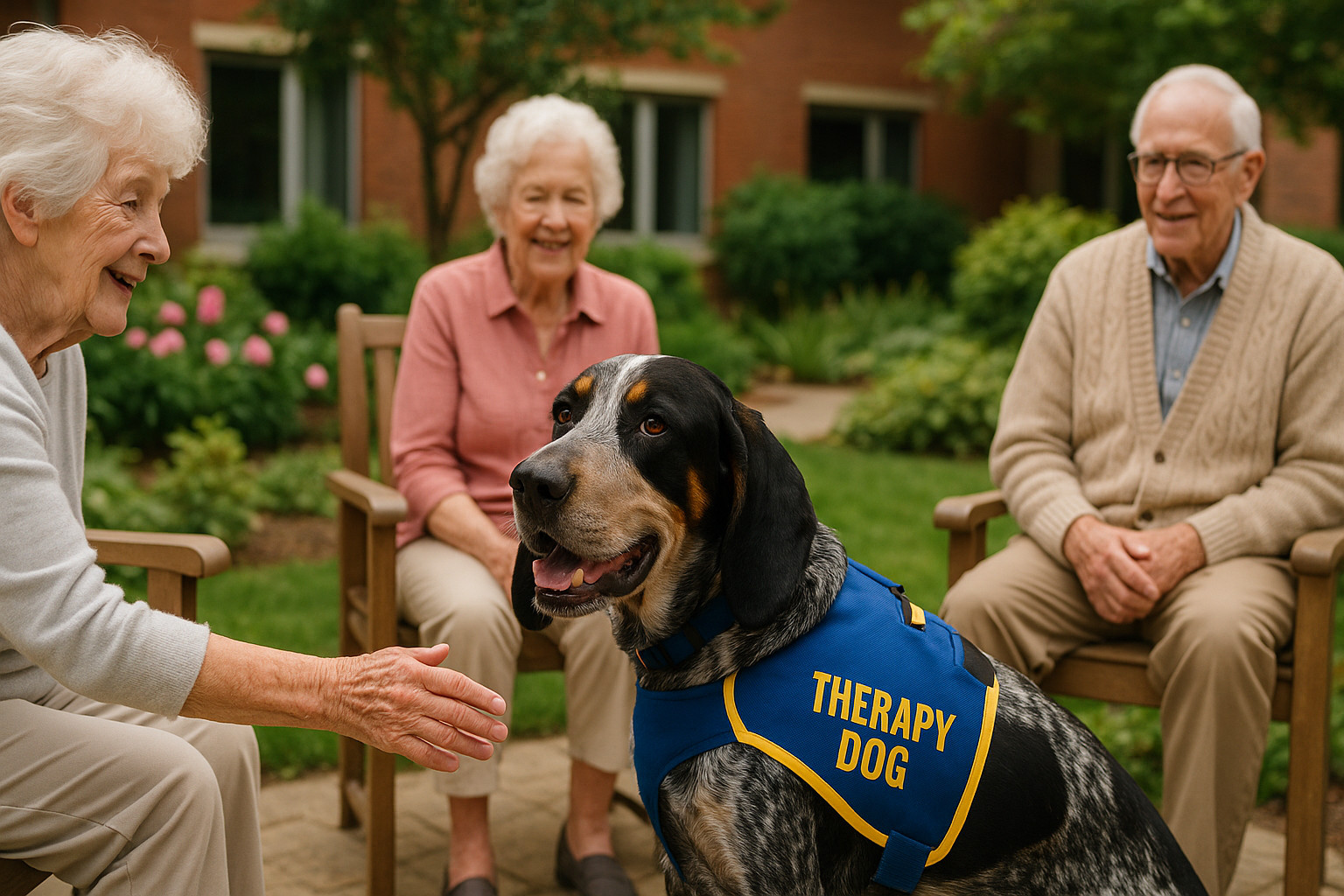
The Bluetick Coonhound, known for its striking blue-colored coat and exceptional hunting skills, is increasingly recognized for its potential as a therapy dog. This breed's unique combination of temperament, intelligence, and adaptability makes it a compelling choice for therapy work across various settings. Therapy dogs offer emotional support, convenience, and affection to individuals, often playing a crucial role in mental and physical recovery processes. While traditionally seen as a working breed, the Bluetick Coonhound has traits that lend themselves well to the affectionate and empathetic nature required of therapy dogs.
Understanding the Therapy Dog Role
Therapy dogs are a remarkable asset in fostering emotional well-being and companionship to those in need. Unlike service dogs, who perform specific tasks for individuals with disabilities, therapy dogs primarily provide comfort and affection. Their role demands a calm demeanor, friendly disposition, and comfort with social interactions, often in dynamic environments like hospitals, schools, and rehabilitation centers.
Physical Appearance and Energy Level
The Bluetick Coonhound is a robust and athletic breed with a sleek, muscular build. Typically weighing between 45 to 80 pounds, their size can be both an asset and a limitation in therapy settings. Their energy levels are relatively high, necessitating regular exercise to maintain wellness and manage potential restlessness during therapy work. This means handlers must ensure that Bluetick Coonhounds have sufficient exercise opportunities, which fosters a balanced temperament conducive to therapy settings.
- Strength: Medium to large size allows easy physical interaction.
- Challenge: Requires substantial physical activity to remain calm and focused.
Personality and Emotional Intelligence
Bluetick Coonhounds are known for their affectionate nature and deep emotional intelligence. They are intuitive and capable of sensing human emotions, adapting their behavior to suit individual emotional states. This breed exhibits a high level of empathy, making them exceptional companions for those in emotional distress. Their patience is profoundly beneficial in therapy settings, as therapy dogs often need to remain composed and gentle around vulnerable individuals.
- Strengths: Highly empathetic, capable of understanding emotional cues.
- Limitations: May become overly attached, requiring guidance in developing emotional resilience.
Environments Where Bluetick Coonhound Excels
Bluetick Coonhounds thrive in environments where they can engage with people and provide comfort. Their adaptability suits diverse settings such as hospitals, nursing homes, and schools where the presence of a friendly animal can significantly uplift spirits.
- Strength: Comfortable in various environments due to their sociability.
- Challenge: Sensitive to loud noises; quieter settings are preferable.
Common Therapy Settings
Historically used in hunting, Bluetick Coonhounds are adaptable to different climates and physical conditions, enhancing their versatility in therapy settings. Besides hospitals and schools, they can flourish in unique therapy contexts like elderly care facilities and rehabilitation centers for adults and children alike.
- Preferred settings: Quiet spaces with a therapeutic focus.
- Considerations: The handler must ensure constant supervision to maintain calmness.
Interactions with Different Populations
Bluetick Coonhounds exhibit an affinity for both children and adults due to their gentle and patient demeanor. They tend to form strong bonds and offer unwavering companionship. Their size and strength necessitate supervision around small children or frail individuals, but they usually respond appropriately to different human needs.
Register Any Breed
- Strength: Adaptability to various populations, providing tailored emotional support.
- Challenge: Supervision is required around small children due to their size and energy.
Health and Wellness Factors
Attention to health and wellness is critical for therapy dogs to perform their roles efficiently. Bluetick Coonhounds require regular veterinary checkups to ensure they are free of any health conditions that may affect their ability to engage with people safely. Maintaining their well-being ensures they can continue delivering stable and reliable emotional support.
Lifespan and Common Health Issues
A typical lifespan of 11 to 12 years means Bluetick Coonhounds can offer long-term therapy service. However, they may face common health issues like hip dysplasia, ear infections, and bloat. These must be monitored and managed to ensure they remain healthy and active therapy participants.
- Regular Check-ups: Important for early detection of health issues.
- Common Ailments: Monitor for hip dysplasia, ear infections, and bloat.
Maintenance and Care Needs
Bluetick Coonhounds have short, manageable coats that require regular grooming. Routine ear checks are essential to prevent infections, especially given their long ears that can trap moisture and debris. Regular grooming and care do not only keep them comfortable but also help them maintain a positive appearance, crucial in therapy settings where first impressions matter.
- Grooming needs: Regular brushing and ear care.
- Impact: Proper maintenance enhances hygiene and physical appeal.
Training and Certification Readiness
Bluetick Coonhounds tend to be stubborn, reflecting their independent hunting dog background, which can be a hurdle during training. However, their intelligence and eagerness to please make them trainable with consistent, positive reinforcement methods. Training focused on developing calmness, obedience, and social skills is crucial, along with the required certification for therapy dogs to operate in different environments.
- Training Focus: Positive reinforcement techniques.
- Certification: Mandatory to ensure compliance and effectiveness.
Learning Style and Responsiveness
Cognitive engagement through varied training exercises ensures Bluetick Coonhounds become competent therapy dogs. Their knack for learning commands and responding to human instructions paves the way for effective training sessions, ensuring they are responsive and adaptable in therapeutic engagements.
- Learning Style: Responds well to positive, reinforcement-driven exercises.
- Key Factor: Persistence and patience in training lead to success.
Handling Social and Emotional Stimuli
Bluetick Coonhounds encounter various emotional and social scenarios in therapy settings. Their capability to handle emotional stimuli makes them reliable companions who can provide comfort without becoming overwhelmed. Handlers must always anticipate and prepare for encounters that may strain the dog emotionally to maintain focus and well-being.
- Strength: Natural inclination towards soothing human emotions.
- Limitation: Balance their own emotional health with the needs of the individuals they help.
Strengths, Limitations, and Ideal Roles for Bluetick Coonhound
The Bluetick Coonhound's strengths lie in its empathetic nature, adaptability to various environments, and moderate care needs, making them a suitable choice for therapy work. However, prospective handlers should consider their exercise needs, potential size-related limitations, and consistent training requirements to equip them for therapy roles. Ideally suited for smaller, quieter therapy sessions, they excel in settings where emotional connection and comfort are priorities.
Final Thoughts
The Bluetick Coonhound emerges as a unique and beneficial choice for therapy work, offering both comfort and emotional connection to those in need. Their success in therapy scenarios is closely tied to comprehensive understanding and management of their temperament, health, and environmental adaptability. They show extraordinary potential, particularly in environments where their calmness, empathetic nature, and moderate size can be maximized to provide healing companionship.
Key Takeaways for the Bluetick Coonhound as a Therapy Dog
- Best suited for: Environments requiring emotional support and companionship, such as hospitals, schools, and rehabilitation centers.
- Not ideal for: Noisy, chaotic environments where their sensitive disposition may be overwhelmed.
- Temperament highlights: Empathetic, affectionate, adaptable, and intuitive.
- Care and health notes: Regular exercise, grooming, and health check-ups are paramount.
- Therapy environments where they shine: Smaller, quieter therapy settings focusing on emotional comfort and interaction.


-
Public Access Kits
$149.00 Learn more This product has multiple variants. The options may be chosen on the product page -
Quick Ship Premium Vests
$48.00 – $82.00 Learn more This product has multiple variants. The options may be chosen on the product page -
Service Dog Bandana
$39.95 Learn more This product has multiple variants. The options may be chosen on the product page
Custom ID Cards

Custom ID Cards
All States

Canada Cards

Custom Service Dog Tags
Official Dog Vests

Smart Vests
Official Public Access Kits

Complete Kits
USA & CANADA Letters

High Quality Bandanas
Service Dog Tags
Smart Tags

ESA TAGS