Boston Terrier as a Service Dog
Register Any Breed
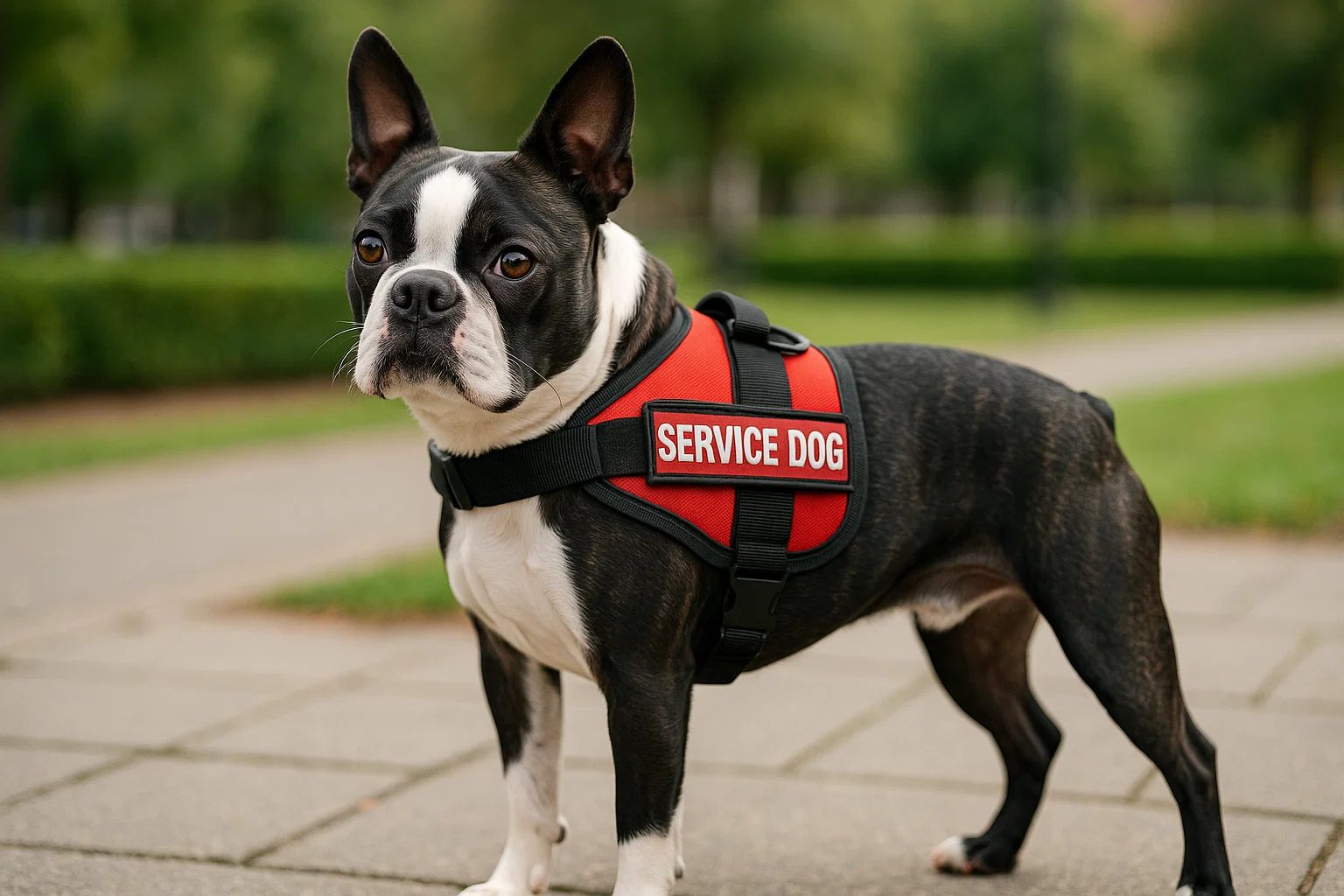
The Boston Terrier is a small, friendly breed known for its expressive eyes and tuxedo-like markings. While traditionally seen as a companion dog, this breed's intelligence and charming disposition make it a contender for service work. This article delves into understanding the Boston Terrier's potential as a service dog by examining its physical characteristics, temperament, service capabilities, health considerations, training requirements, and overall suitability.
Boston Terrier Overview
The Boston Terrier, often affectionately referred to as the "American Gentleman," originated in the United States. It was bred to be a companion dog and is now recognized for its gentle disposition and intelligence. Despite their small size, Boston Terriers pack a punch with their energetic nature and eagerness to please.
Physical Characteristics
The Boston Terrier is a compact breed, typically weighing between 10-25 pounds and standing 10-16 inches tall at the shoulder. Their small size can be both a strength and a limitation regarding service work.
- Size and Strength:
- Pros: Small size allows them to fit comfortably in various environments, such as cramped public spaces or small apartments.
- Cons: Limited strength means they are unsuitable for tasks requiring physical support, such as balance assistance or lifting items.
- Energy Levels:
- Pros: Boston Terriers are generally energetic, which helps them stay engaged during training sessions and active in service roles.
- Cons: Their high energy may require regular physical activities to prevent restlessness.
Temperament and Attitude
Boston Terriers are known for their friendly and adaptable nature. They thrive on human interaction and can be both comical and diligent in their behavior.
- Behavior Traits:
- Pros: Highly social and tend to get along with other animals and humans, which is essential for a service dog.
- Cons: Their friendliness could lead to distraction, especially if they feel social engagements are more important than service duties.
- In Public or Stressful Environments:
- Pros: Generally unfazed by bustling or noisy environments due to their adaptable nature.
- Cons: Their inclination to interact with people might make it more challenging to maintain focus in distractions-filled settings.
Types of Service Work
While their size limits some of the tasks they can perform, Boston Terriers can excel in specific service work categories due to their alertness and intelligence.
- Psychiatric Service Work and Emotional Support:
- Robin Boston Terriers excel in these roles; their keen sense of mood detection can offer comfort and stability to people with PTSD, anxiety, or depression.
- Medical Alert Services:
- Their alertness and quick response to training enable them to perform certain medical alert tasks, such as detecting low blood sugar in diabetic patients.
These roles capitalize on the Boston Terrier's strengths, which include their acute sensory perception and ability to form strong, reassuring bonds with their handlers.
Health Considerations
Boston Terriers do have some breed-specific health issues that can impact their effectiveness as service dogs.
Register Any Breed
- Common Health Concerns:
- Brachycephalic Features: Their short nose can lead to breathing difficulties, potentially limiting their physical activity and endurance.
- Eye Problems: They are prone to ocular issues due to their prominent eyes, which could decrease their reliability in some service situations.
- Implications for Service Work:
- Regular vet check-ups are necessary to ensure that any health problems are managed effectively, ensuring they can perform their duties when needed.
Training and Suitability
Training a Boston Terrier to become a competent service dog relies on understanding their specific learning traits and tendencies.
- Trainability:
- Pros: Boston Terriers are intelligent and eager to please, which can make training a relatively straightforward process when approached with patience and consistency.
- Cons: They possess an independent streak, needing trainers to use positive reinforcement strategies to prevent stubborn behavior.
- Intelligence and Independence Impact:
- They are quick to learn commands but can lose interest if tasks are not engaging enough, necessitating creative training approaches.
Summary of Boston Terrier
In conclusion, while not traditionally recognized as a service dog breed, the Boston Terrier's intelligence, sociability, and adaptability make it suitable for specific types of service work, primarily emotional support and medical alert services. Potential handlers should consider their health needs and propensity for distraction. Ultimately, with proper training and care, Boston Terriers have proven to be delightful companions capable of providing significant support in the right settings.
- Strengths:
- Highly sociable and people-oriented.
- Adaptability to different environments.
- Quick learners inclined to please.
- Weaknesses:
- Prone to health concerns related to brachycephalic traits and eye issues.
- Small size limits their physical capabilities.
- Can become easily distracted in social situations.
- Ideal Service Roles:
- Psychiatric service roles.
- Medical alert roles for tasks not requiring physical assistance.
- Emotional support, providing comfort and companionship in various settings.
By evaluating the unique traits of the Boston Terrier alongside the requirements of service roles, potential owners can make informed decisions about harnessing the companionship and capabilities of this charming breed.


-
Public Access Kits
$149.00 Learn more This product has multiple variants. The options may be chosen on the product page -
Quick Ship Premium Vests
$48.00 – $82.00 Learn more This product has multiple variants. The options may be chosen on the product page -
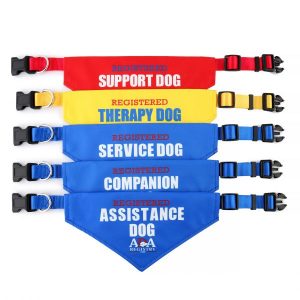
Service Dog Bandana
$39.95 Learn more This product has multiple variants. The options may be chosen on the product page
Custom ID Cards

Custom ID Cards
All States
Canada Cards
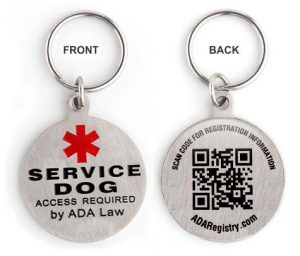
Custom Service Dog Tags
Official Dog Vests
Smart Vests
Official Public Access Kits
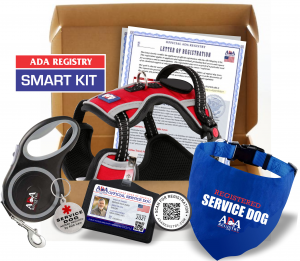
Complete Kits
USA & CANADA Letters
High Quality Bandanas
Service Dog Tags
Smart Tags
ESA TAGS