Bouvier des Flandres as a Therapy Dog
Register Any Breed
Bouvier des Flandres as a Therapy Dog Overview
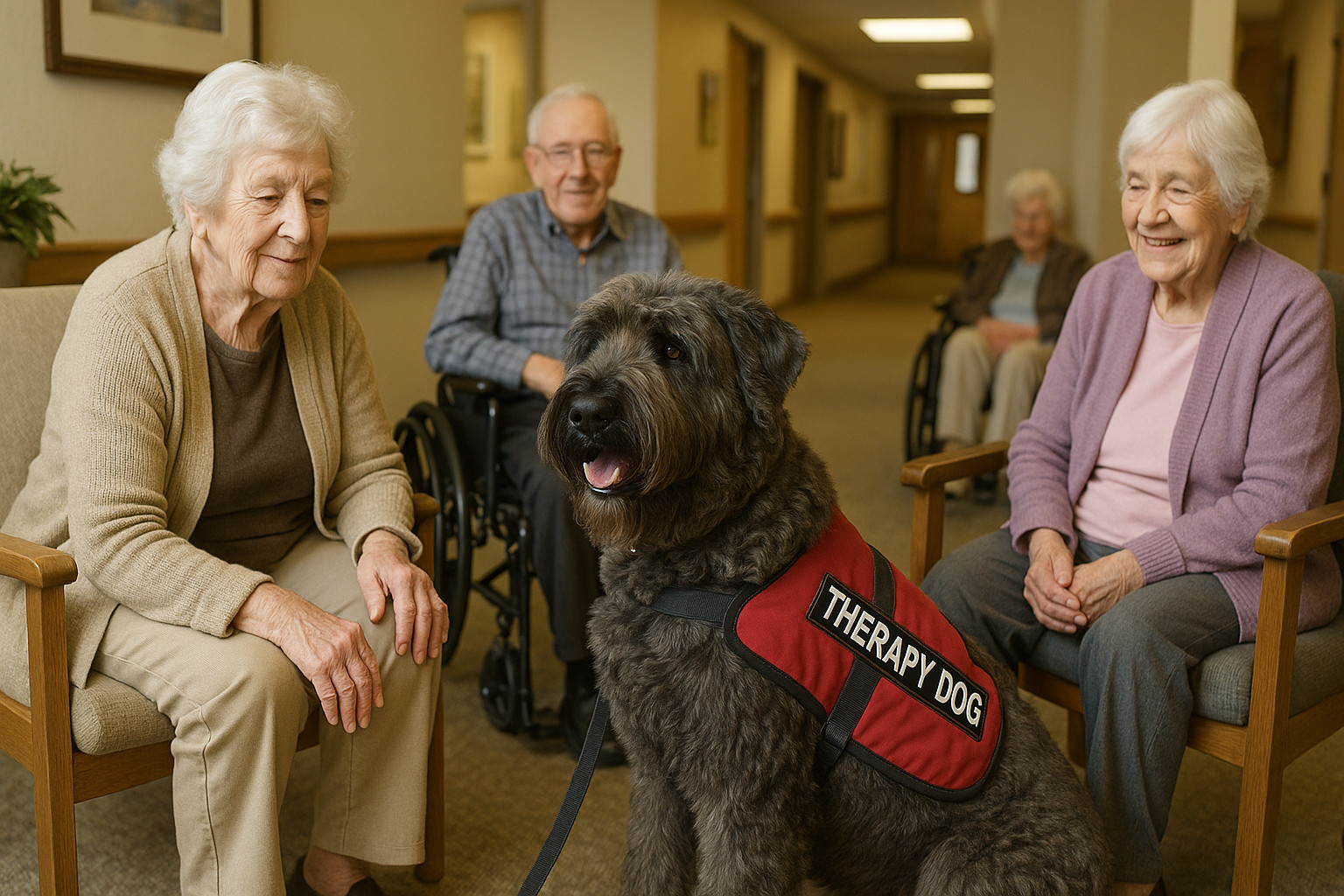
The Bouvier des Flandres is a versatile breed known for its intelligence, strength, and gentle nature, making it an excellent candidate for therapy work. Historically bred as herding dogs, they have a keen sense of duty and a calm demeanor, essential traits for providing emotional support to a wide range of individuals. This comprehensive guide explores the Bouvier des Flandres' potential as a therapy dog, focusing on their temperament, adaptability, and practical care considerations.
Understanding the Therapy Dog Role
Therapy dogs provide comfort, support, and companionship to individuals in various settings, such as hospitals, schools, and nursing homes. Unlike service dogs, which perform specific tasks for their handlers, therapy dogs are meant to interact with multiple people, offering solace through their presence and behavior. The Bouvier des Flandres' natural empathy and calmness make it particularly suited to this role, bridging the gap between professional mental health care and everyday emotional support.
Physical Appearance and Energy Level
The Bouvier des Flandres is a robust and imposing figure with a strong, square build and a dense, weather-resistant coat. Standing 23.5 to 27.5 inches at the shoulder and weighing between 70 and 110 pounds, their physical presence can provide a sense of security and comfort. Despite their size, Bouviers are known for their gentle energy. They do not exhibit hyperactivity, which is a plus for therapy settings where calmness is paramount. Their moderate exercise needs mean they remain composed during therapy work, adapting easily to both active and sedate environments.
Personality and Emotional Intelligence
Bouviers are known for their deep-seated loyalty and protective instincts, making them inherently empathetic and attuned to human emotions. Their sensitivity to environment and mood allows them to adjust their behavior to suit the emotional needs of those they interact with. This breed displays patience and calmness, quietly assessing situations to provide the right level of support. Their keen sense of observation ensures they offer comfort through silent companionship or playful interaction as needed.
Environments Where Bouvier des Flandres Excels
Bouviers excel in environments where empathy and gentleness are crucial. Their calm disposition makes them ideal for settings involving vulnerable populations:
- Hospitals: Their quiet and gentle demeanor helps reduce anxiety and promote healing.
- Rehabilitation centers: Bouviers can be particularly encouraging in physical therapy settings, where their presence motivates patients to engage in rehabilitation exercises.
- Schools: They provide a calming influence for children with emotional challenges or learning disabilities, offering non-judgmental support.
- Nursing homes: Their affectionate nature fosters connections with the elderly, alleviating loneliness and supporting cognitive engagement.
Common Therapy Settings
Bouviers are versatile and adaptable, making them suitable for various therapy settings, including:
Register Any Breed
- Assisted living facilities: Where emotional companionship and a calming presence can greatly enhance residents' quality of life.
- Mental health clinics: Their awareness and patience make them effective companions for individuals dealing with mental health issues.
- Crisis intervention centers: Bouviers can provide immediate emotional relief and grounding for individuals in distress.
Interactions with Different Populations
Bouvier des Flandres dogs excel in interacting with people of all ages, thanks to their adaptable nature:
- Children: Their protective instincts and gentleness make them safe companions. They often become part of the therapeutic process in children's hospitals and special education settings.
- Adults: Bouviers provide empathetic listening and non-verbal support without being overbearing.
- Elderly: Their patient and calm presence can reduce feelings of isolation among senior citizens in long-term care facilities.
Health and Wellness Factors
Health is an integral aspect of a successful therapy dog's life. Bouviers are generally healthy dogs, but they are susceptible to certain conditions that need monitoring to ensure their full engagement in therapy work. Regular veterinary check-ups are vital to check for issues such as hip dysplasia, cataracts, and thyroid problems. Maintaining a balanced diet and consistent exercise routine helps keep the Bouvier healthy, ensuring they can meet the emotional and physical demands of their therapy role.
Lifespan and Common Health Issues
Bouviers typically live between 10 to 12 years. While they are a robust breed, their large build can predispose them to certain health issues, such as:
- Hip dysplasia: Regular exercise and healthy weight management are critical.
- Bloat: Meal management and monitoring are essential to prevent this dangerous condition.
- Cataracts: Routine eye exams are encouraged to maintain their vision for therapy work.
Maintenance and Care Needs
The Bouvier des Flandres' distinctive coat requires regular grooming to prevent matting and keep them looking their best for therapy visits:
- Brushing: Regular brushing reduces shedding and maintains a clean appearance.
- Bathing: Periodic bathing removes dirt and allergens, ensuring they remain comfortable for interaction.
- Nail clipping and ear cleaning: Regular maintenance prevents discomfort and potential injury.
Training and Certification Readiness
Training a Bouvier des Flandres requires a blend of consistency, patience, and positive reinforcement. Their intelligence and eagerness to please facilitate their training for therapy work, including meeting certification standards such as the Canine Good Citizen (CGC) test. Consistent socialization and exposure to various environments ensure they remain adaptable and well-mannered companions.
Learning Style and Responsiveness
Bouviers are quick learners, responding well to positive reinforcement techniques that encourage their cooperation and patience. Regular exposure to diverse social scenarios helps them generalize their behavior, becoming proficient at handling the unique interactions they might encounter during therapy visits.
Handling Social and Emotional Stimuli
Bouviers thrive in emotionally charged environments, their intuitive nature allowing them to provide appropriate support:
- Empathy: They naturally sense emotional shifts, offering comfort without intrusion.
- Resilience: Bouviers can withstand emotional intensity, maintaining calmness in high-stress situations.
Strengths, Limitations, and Ideal Roles for Bouvier des Flandres
The Bouvier des Flandres brings numerous strengths to therapy work, including their protective instinct, calm demeanor, and adaptability. However, their size may be intimidating to some individuals, necessitating careful introduction and supervision. Ideal roles include emotional support in hospitals, motivational presence in rehabilitation centers, and companionship in nursing homes.
Final Thoughts
The Bouvier des Flandres is a breed well-suited to therapy work owing to its gentle nature, intelligence, and empathy. With proper training, socialization, and care, this breed can significantly contribute to improving the emotional well-being of individuals across various settings. Their ability to adapt, coupled with their natural protectiveness, makes them outstanding emotional companions.
Key Takeaways for the Bouvier des Flandres as a Therapy Dog:
- Best suited for: Hospitals, rehabilitation centers, schools, nursing homes.
- Not ideal for: Environments where small, less imposing dogs are preferred.
- Temperament highlights: Gentle, empathetic, adaptable, patient.
- Care and health notes: Regular grooming needed; monitor for hip dysplasia and bloat.
- Therapy environments where they shine: Emotional support in healthcare settings, child-friendly interactions, elder companionship.


-
Public Access Kits
$149.00 Learn more This product has multiple variants. The options may be chosen on the product page -
Quick Ship Premium Vests
$48.00 – $82.00 Learn more This product has multiple variants. The options may be chosen on the product page -
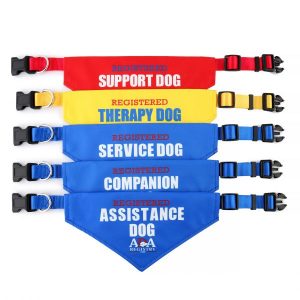
Service Dog Bandana
$39.95 Learn more This product has multiple variants. The options may be chosen on the product page
Custom ID Cards

Custom ID Cards
All States
Canada Cards
Custom Service Dog Tags
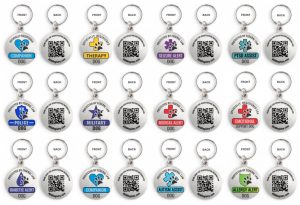
Official Dog Vests

Smart Vests
Official Public Access Kits
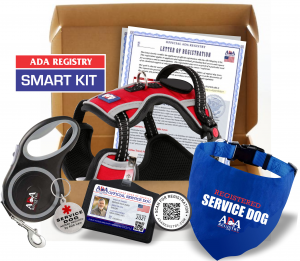
Complete Kits
USA & CANADA Letters

High Quality Bandanas
Service Dog Tags
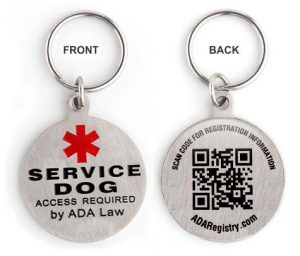
Smart Tags

ESA TAGS