
Boykin Spaniel as a Therapy Dog
Register Any Breed
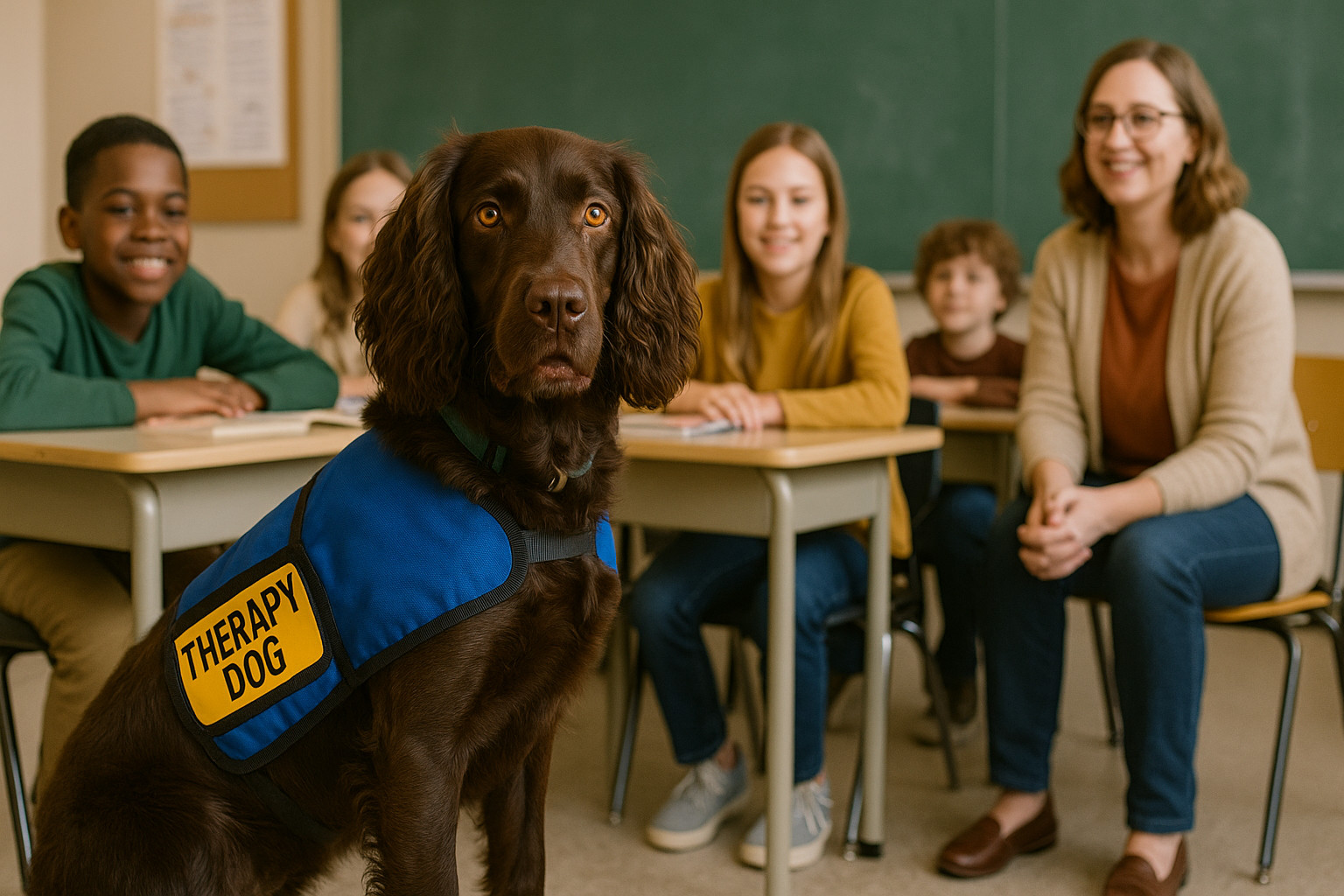
Boykin Spaniel as a Therapy Dog Overview
The Boykin Spaniel, South Carolina's state dog, has distinguished itself as a friendly, energetic, and sociable breed. Originally bred as hunting dogs, Boykin Spaniels have gained popularity in various roles, including therapy work. Their small to medium size, coupled with their affectionate and easygoing nature, makes them well-suited for interacting with a wide range of individuals who can benefit from animal-assisted therapy.
Understanding the Therapy Dog Role
Therapy dogs provide comfort and emotional support to individuals in hospitals, schools, rehabilitation centers, nursing homes, and other care facilities. Unlike service dogs that perform specific tasks for people with disabilities, therapy dogs offer companionship and affection. Their primary role is to foster emotional well-being and reduce stress for those they visit.
Boykin Spaniels, with their friendly disposition, are natural candidates for therapy work. They are known for forming strong bonds with their human companions and are often described as cheerful and engaging. Their empathetic nature allows them to sense and respond to emotions effectively, making them excellent at providing comfort where it is most needed.
Physical Appearance and Energy Level
Boykin Spaniels are medium-sized dogs, typically weighing between 25 and 40 pounds. They have a distinct, wavy or curly coat that requires regular grooming to maintain. This breed is known for its deep brown or liver-colored fur, expressive eyes, and endearing floppy ears.
Their energy level is notable. Initially bred to withstand long days outdoors, Boykin Spaniels have the stamina necessary for therapy sessions in varied settings. However, this energy needs to be channeled correctly. Adequate exercise routines outside of therapy environments help maintain their physical well-being and ensure they are calm and focused during therapy work.
Personality and Emotional Intelligence
The Boykin Spaniel's temperament is a critical factor in its success as a therapy dog. These dogs are known for being social, affectionate, and adaptable. They thrive on human interaction and are keenly perceptive, which allows them to tailor their behavior to suit the emotional state of the person they are comforting.
In therapy settings, the Boykin Spaniel's ability to read emotional cues is invaluable. They show an exceptional level of empathy and patience, making them effective in offering support to individuals dealing with anxiety, depression, or loneliness. Their comforting presence can lead to improved emotional states and increased social interaction among therapy recipients.
Register Any Breed
Environments Where Boykin Spaniel Excels
Boykin Spaniels shine in various therapy settings, but certain environments amplify their strengths. They are particularly effective in:
- Hospitals and Rehabilitation Centers: Their calm nature helps patients cope with anxiety, stress, and recovery challenges. Their size makes them manageable in hospital settings, where large dogs might be impractical.
- Schools and Libraries: Boykin Spaniels are excellent companions in educational settings, offering comfort to students and participating in reading programs that enhance learning experiences for children.
- Nursing Homes: The gentle demeanor of Boykin Spaniels provides comfort to the elderly, helping reduce feelings of isolation and encouraging social interaction.
Common Therapy Settings
In therapy, the Boykin Spaniel's versatility allows them to adapt to a range of environments and therapeutic programs, including:
- Pediatric therapy: Their gentle nature can ease the experience for children in care facilities.
- Therapeutic schools: They help mitigate stress and foster a positive atmosphere for students with special needs.
- Residential treatment centers: Boykin Spaniels provide emotional support to residents coping with various life challenges.
Interactions with Different Populations
Boykin Spaniels interact well with diverse populations, from young children to elderly adults. Their empathetic nature and non-threatening size make them approachable for people of all ages and conditions. They are especially effective in:
- Calming anxious or agitated individuals: Their soothing presence and ability to respond to distress signals can help de-escalate stressful situations.
- Encouraging physical activity and interaction: In settings like nursing homes, Boykin Spaniels encourage residents to engage in gentle play or walks, promoting physical health.
- Providing non-judgmental companionship: This unconditional acceptance facilitates emotional release and helps people express their feelings comfortably.
Health and Wellness Factors
Ensuring a Boykin Spaniel's health and wellness is vital for their success as therapy dogs. Regular veterinary check-ups, balanced nutrition, and a structured exercise regimen are essential. Potential therapy handlers should be aware of:
- Grooming needs: Their coat requires regular brushing to prevent matting. Cleanliness is critical when visiting healthcare facilities.
- Allergy considerations: Hypoallergenic environments are necessary as their dander can trigger allergies in sensitive individuals.
- Energy outlets: Despite their calm demeanor during sessions, they need regular opportunities for exercise and play to burn off excess energy.
Lifespan and Common Health Issues
Boykin Spaniels typically live between 12 to 16 years. While generally healthy, they are prone to certain hereditary health issues that could impact their therapy work:
- Hip Dysplasia: This condition can affect mobility. Regular monitoring and maintaining a healthy weight are crucial.
- Eye Conditions: Regular veterinary eye exams are advised, as conditions like cataracts may develop with age.
- Ear Infections: With their floppy ears, Boykin Spaniels are prone to ear infections. Routine cleaning prevents issues that could interrupt therapy schedules.
Maintenance and Care Needs
Routine care is essential for Boykin Spaniels to remain effective therapy dogs. Key considerations include:
- Balanced Diet: A proper diet supports energy levels necessary for therapy work.
- Consistent Exercise: Daily walks and play sessions ensure they remain fit and focused.
- Grooming Routine: Regular brushing and ear cleaning keep them clean and prevent common ailments.
Training and Certification Readiness
Boykin Spaniels are intelligent and eager to please, traits that ease the training process. Training should focus on:
- Basic Obedience: Commands like "sit," "stay," and "come" are foundational.
- Socialization: Exposure to different environments and people enhances adaptability.
- Therapy-specific Skills: Training for gentle interaction, recognizing cues, and behaving calmly in crowded or busy settings is critical.
For certification, Boykin Spaniels should be enrolled in programs that assess:
- Temperament and Behavior: Their ability to remain calm under pressure is evaluated.
- Health and Hygiene Standards: Certified therapy dogs must meet strict health criteria to ensure safety.
Learning Style and Responsiveness
The Boykin Spaniel's learning style can be characterized by:
- Quick Learners: Their intelligence allows them to pick up commands swiftly.
- Positive Reinforcement: Respond well to praise, treats, and affection as training incentives.
- Adaptability: They adjust to new routines and environments with ease, a vital trait in therapy work.
Handling Social and Emotional Stimuli
Boykin Spaniels handle social and emotional stimuli effectively, largely due to their:
- Empathic Nature: They intuitively sense emotional changes and adapt their behavior accordingly.
- Patience: Their calm demeanor enables them to interact with individuals who may have unpredictable reactions.
- Focus: They maintain their composure in dynamic environments, allowing for consistent therapy support.
Strengths, Limitations, and Ideal Roles for Boykin Spaniel
The Boykin Spaniel's strengths in therapy work include:
- Affectionate and Social: They thrive on human connection, offering genuine comfort.
- Adaptable: Their ability to adjust to different therapy settings makes them versatile companions.
- Energetic Yet Calm: They balance energy in engaging ways without over-stimulation.
Limitations to consider include:
- Grooming Needs: Regular grooming may pose challenges in maintaining cleanliness for therapy visits.
- Sensitivity to Lack of Exercise: Without ample exercise, their focus can wane.
Ideal roles for the Boykin Spaniel in therapy include:
- Rehabilitation Settings: Ideal for providing emotional support during recovery.
- Schools and Libraries: Engaging students and aiding in learning development.
- Elder Care: Offering companionship and mental stimulation to older adults.
Final Thoughts
The Boykin Spaniel's blend of affection, intelligence, and social adaptability makes them exceptional therapy dogs. Their empathetic nature nurtures emotional well-being in a wide array of therapy settings. While they do require consistent grooming and exercise, their ability to provide support and comfort to those in need outweighs these minor challenges.
Key Takeaways for the Boykin Spaniel as a Therapy Dog
- Best suited for: Hospitals, schools, rehabilitation centers, nursing homes.
- Not ideal for: Environments with dander allergies or low activity availability.
- Temperament highlights: Affectionate, sociable, and empathetic.
- Care and health notes: Regular grooming and exercise are essential; monitor common health issues.
- Therapy environments where they shine: Hospital wards, educational programs, elder care settings.


-
Public Access Kits
$149.00 Learn more This product has multiple variants. The options may be chosen on the product page -
Quick Ship Premium Vests
$48.00 – $82.00 Learn more This product has multiple variants. The options may be chosen on the product page -
Service Dog Bandana
$39.95 Learn more This product has multiple variants. The options may be chosen on the product page
Custom ID Cards

Custom ID Cards
All States
Canada Cards
Custom Service Dog Tags

Official Dog Vests

Smart Vests
Official Public Access Kits

Complete Kits
USA & CANADA Letters

High Quality Bandanas

Service Dog Tags

Smart Tags

ESA TAGS
