Brittany as a Service Dog
Register Any Breed
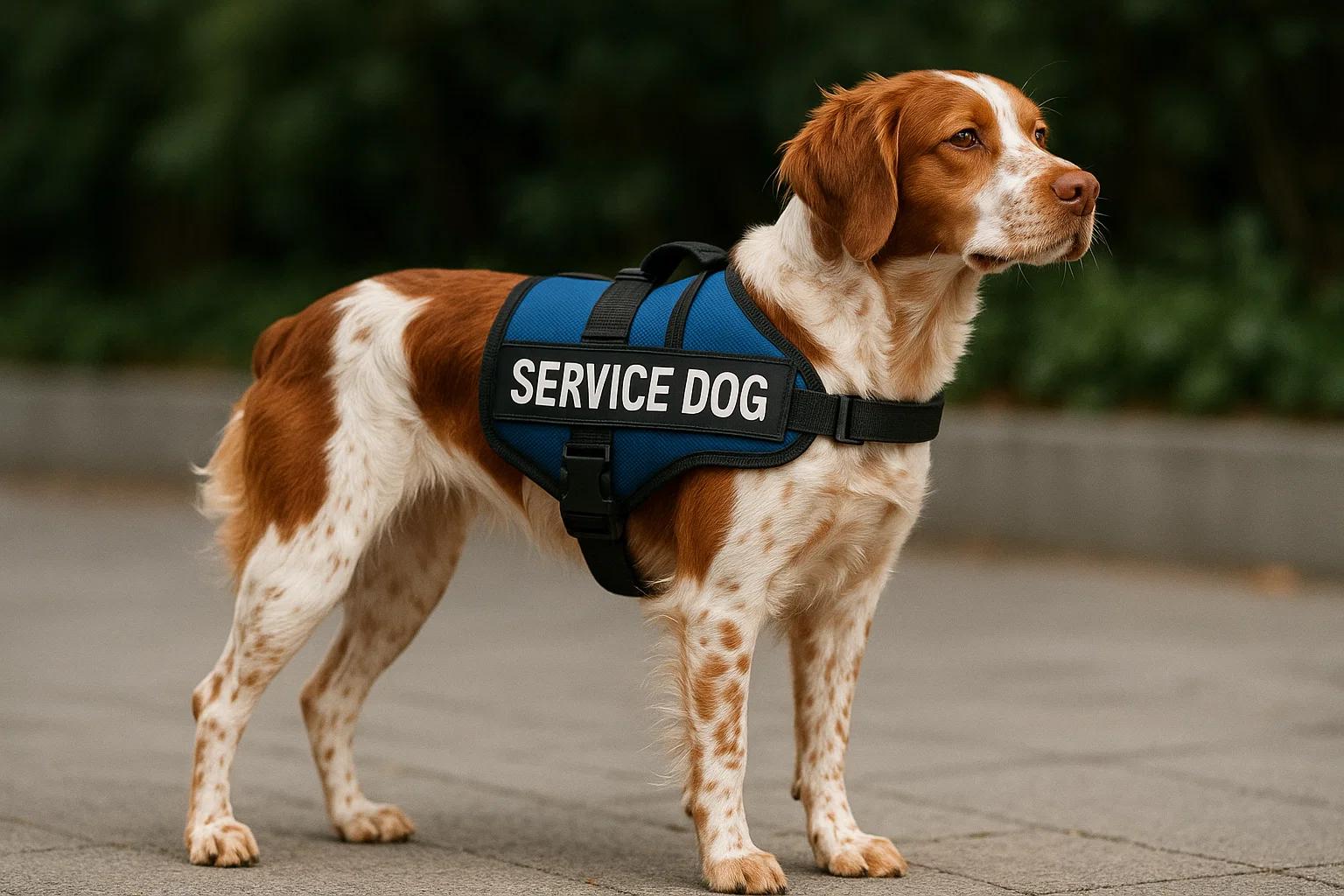
The Brittany, also known as the Brittany Spaniel, is a versatile breed historically known for its hunting prowess. However, in recent years, it has gained attention as a potential candidate for service dog roles due to its intelligence, agility, and trainability. This article offers a comprehensive guide on the suitability of the Brittany as a service dog, including its physical characteristics, temperament, and the types of service work it excels in.
Brittany Overview
The Brittany is a breed that historically hails from the Brittany region of France. Originally bred as a gun dog, it embodies characteristics ideal for both hunting and companionship. This breed is recognized for its keen intelligence, boundless energy, and friendly disposition, attributes that make it a prospective service dog.
Physical Characteristics
The Brittany is considered a medium-sized dog, typically weighing between 30 to 40 pounds and standing 17.5 to 20.5 inches tall at the shoulder. This size is often considered ideal for many service roles, providing a balance between strength and manageability.
- Coat and Grooming: The Brittany's coat is dense and can be either flat or wavy, with several color variations such as orange and white or liver and white. Its coat requires regular grooming to prevent matting.
- Energy Levels: Known for its high energy and stamina, the Brittany is a lively breed that thrives on physical activity. This makes it well-suited for active handlers or service roles that require ongoing movement.
- Agility and Strength: Despite its medium size, the Brittany is exceptionally agile and strong, capable of performing tasks that require physical dexterity.
Temperament and Attitude
The temperament of the Brittany is one of its standout traits. It is characterized by its friendly nature, adaptability, and intelligence, which are vital characteristics for any service dog.
- Friendly and Social: Brittanies are generally friendly toward people and other animals, which is beneficial when working in public environments.
- Intelligent and Eager to Please: This breed's intelligence makes it highly trainable and eager to learn new tasks, crucial for performance-intensive service dog roles.
- Sensitivity: While they are quite sensitive and attentive to human emotions, which can be advantageous for roles that require emotional support, this sensitivity could also make them prone to stress in chaotic or overly stimulating environments.
Types of Service Work
Similar to other breeds of its size and temperament, the Brittany has shown potential in several service applications due to its unique set of characteristics.
- Assistance Roles: While not typically used for heavy mobility tasks due to their medium size, they can assist in picking up dropped items or fetching objects for handlers with mobility challenges.
- Medical Alert: Brittanies have been noted for their keen sense of smell and are increasingly being trained to detect changes in blood sugar levels, making them potential candidates for diabetes alert roles.
- Psychiatric and Emotional Support: Their empathetic nature and ability to form strong bonds with handlers make them ideal for psychiatric service roles, providing comfort and emotional support during high-stress or anxiety-inducing situations.
- Search and Rescue: Given their historical hunting roots, Brittanies excel in search and rescue operations, though this is more common in sport or volunteer situations rather than structured service roles.
Health Considerations
While generally healthy, the Brittany breed is prone to certain genetic conditions that could affect their suitability as service dogs.
- Hip Dysplasia: Like many medium-sized breeds, Brittanies can suffer from hip dysplasia, which could impair their ability to perform tasks involving mobility.
- Epilepsy: A hereditary condition that can affect some dogs in this breed, epilepsy requires careful management and may limit their reliability as service animals.
- Hypothyroidism and Eye Disorders: Other health concerns include hypothyroidism and eye diseases, which should be regularly monitored through vet check-ups.
Proper health screening from reputable breeders and regular veterinary care are essential to ensure a Brittany's ability to serve effectively and comfortably.
Register Any Breed
Training and Suitability
Training a Brittany as a service dog requires a tailored approach due to their unique characteristics and energy levels.
- Trainability: Brittanies are intelligent and quick learners, which aids in their training as service dogs. They respond best to positive reinforcement techniques that reward their cooperation and eagerness to please.
- Energy Management: Due to their high energy levels, Brittany service dogs require regular exercise and mental stimulation to remain focused and well-behaved.
- Stimulus Sensitivity: Trainers must be mindful of their sensitivity to stimuli. It is crucial to gradually expose them to busy or noisy environments to maintain their composure.
With diligent training and proper management of their energy and sensitivity, Brittanies can thrive in service roles that capitalize on their strengths.
Summary of Brittany
In summary, the Brittany displays several potential strengths and challenges as a service dog:
Strengths:
- High intelligence and eagerness to please suitable for training
- Friendly and social demeanor beneficial in public settings
- Keen sense of smell advantageous for medical alert roles
- Strong bond with handlers, aiding in emotional support functions
Challenges:
- Medium size limits heavy mobility assistance capabilities
- High energy levels require active handlers and regular exercise
- Sensitivity to chaotic environments may require special training
- Potential health issues such as hip dysplasia or epilepsy
Ideal Service Roles:
- Medical alert for conditions like diabetes
- Psychiatric service roles providing emotional support
- Assistance with non-weight-bearing mobility tasks
Overall, while a Brittany might not fit every type of service role, their unique attributes shine in specific areas, making them a valuable consideration for prospective service dog handlers and trainers.


-
Public Access Kits
$149.00 Learn more This product has multiple variants. The options may be chosen on the product page -
Quick Ship Premium Vests
$48.00 – $82.00 Learn more This product has multiple variants. The options may be chosen on the product page -
Service Dog Bandana
$39.95 Learn more This product has multiple variants. The options may be chosen on the product page
Custom ID Cards

Custom ID Cards
All States
Canada Cards
Custom Service Dog Tags
Official Dog Vests

Smart Vests
Official Public Access Kits
Complete Kits
USA & CANADA Letters
High Quality Bandanas
Service Dog Tags
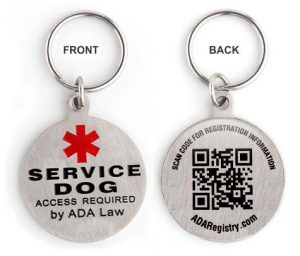
Smart Tags

ESA TAGS