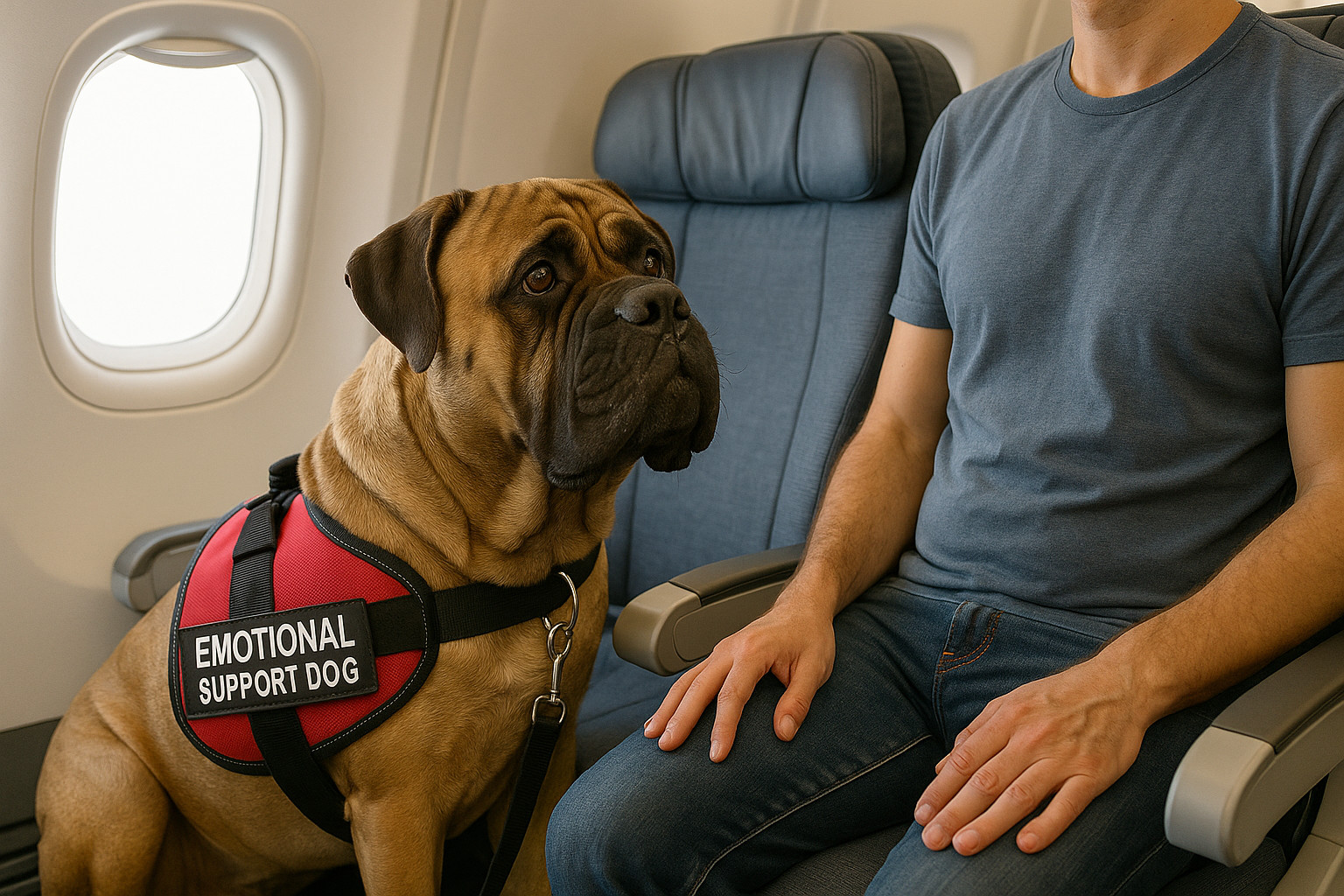
Bullmastiffs as an Emotional Support Dog
Register Any Breed
Understanding the Emotional Support Role
Emotional support animals (ESAs) provide comfort, reduce anxiety, and alleviate mental health symptoms simply through their presence. Unlike service dogs, ESAs do not require specific task training. Bullmastiffs, with their imposing stature wrapped in a calm demeanor, are considered an unconventional yet effective choice for emotional support roles.
Bullmastiffs Overview
Bullmastiffs, known for their strength, loyalty, and protection instincts, are a large breed originating from England. Initially bred as guard dogs, they might seem unlikely candidates for ESAs; however, their deep bonds and affection for their families make them powerful emotional anchors.
- Size and Presence: Their size (weighing between 100-130 pounds) may be intimidating, but it brings a sense of safety and stability.
- Historical Background: Bred in the mid-19th century, Bullmastiffs were useful for deterrence without aggression, a testament to their calm and composed nature today.
Temperament and Emotional Connection
Bullmastiffs exhibit a gentle temperament, offering emotional support through their presence. Their ability to form strong bonds is unparalleled, offering a sense of belonging and unwavering companionship:
- Emotionally Intelligent: Bullmastiffs can intuitively read human emotions, often offering comfort through nudges or simply by being near.
- Sense of Security: Their calm disposition provides a stabilizing presence for individuals experiencing emotional instability or anxiety.
- Loyal Companions: Fiercely loyal, they create a loving environment essential for individuals who feel isolated.
Adaptability and Daily Behavior
When assessing their daily behavior and adaptability, Bullmastiffs excel at blending into various environments and adjusting to the needs of their owners:
- Gentle Nature: Despite their large size, they are surprisingly gentle, often moving with a grace that belies their bulk.
- Energy Levels: Typically, their energy is not overwhelming, suitable for calm households or individuals needing peace.
- Adaptable Companions: They acclimate well to environments where they can be part of the family's rhythm.
Situations Where Bullmastiffs Provide Strong Support
Bullmastiffs can be especially supportive in the following situations:
- Social Anxiety and Stress Reduction: Their stable nature helps reduce loneliness and social anxiety.
- Children’s Emotional Needs: For families, their patience and love can effectively aid children with emotional challenges.
- Assisted Living Companions: Older adults find great comfort in their steady nature and minimal exercise need.
Ideal Living Environments
The ideal living conditions for Bullmastiffs maximize their emotional support potential:
- Space Considerations: Ideally suited for homes with spacious living areas for easy movement, but they also adapt well to apartments with regular walks.
- Family Dynamics: Thrive in family settings where they can be monumentally involved and loved.
- Quiet Neighborhoods: They do best in calm, serene environments free from excessive noise or disturbances.
Bonds with Different Types of People
Bullmastiffs build robust emotional connections across varied demographics:
Register Any Breed
- Families: Instinctively protective, reinforcing familial bonds, especially with children.
- Single Adults: Offer companionship and alleviate loneliness through dedicated attention.
- Elderly Care: Their calm demeanor provides comfort and routine to elderly individuals.
Health, Care, and Wellbeing
A Bullmastiff’s ability to provide comfort is directly tied to their health and wellbeing:
- Regular Check-Ups: Consistent veterinary visits ensure they remain healthy to fulfill support roles effectively.
- Diet and Exercise: Balanced nutrition paired with moderate exercise prevents obesity, promoting longevity and strength.
- Hydration and Comfort: Access to fresh water and comfortable living spaces are key to their happy life.
Common Health Considerations
Awareness of breed-specific health concerns aids in maintaining their supportive role:
- Hip Dysplasia and Joint Issues: Regular vet check-ups help manage these common large breed concerns.
- Bloat Awareness: Knowing the signs of gastric torsion is vital owing to their chest size.
Grooming, Comfort, and Maintenance Needs
Bullmastiffs require manageable grooming, contributing to their role as low-maintenance companions:
- Coat Care: Weekly brushing minimizes shedding, supporting a clean, allergen-reduced environment.
- Ear and Skin Checks: Regular cleaning prevents infections enhancing their quality of life.
- Comfortable Bedding: Ensures agility and comfort especially in lesser active homes.
Preparing a Bullmastiff for Emotional Support Work
Preparation involves nurturing their natural aptitudes with gentle guidance:
- Positive Reinforcement Training: Encourages responsiveness to emotional cues and commands.
- Continuous Socialization: Exposure to varied settings, people, and sounds builds their confidence and empathy.
Socialization and Responsiveness
Early and consistent socialization is crucial for ensuring responsiveness and adaptability:
- Interaction Variety: Regular introduction to different environments, animals, and people.
- Behavioral Training: Reinforces calm responses in unfamiliar situations reinforcing security.
Managing Stress and Emotional Cues
Bullmastiffs respond well to emotional cues if stress is well-managed:
- Consistent Routines: Comfort comes from predictability, reducing angst and confusion.
- Stress Signs: Owners should learn to recognize signs of stress like panting or drooling to provide timely comfort.
Strengths, Challenges, and Ideal Homes for Bullmastiffs
While Bullmastiffs have inherent strengths for emotional support, challenges also exist:
- Strengths:
- Gentle giants with a naturally calm disposition.
- Protective and loyal companions.
- Challenges:
- Require early socialization to ensure comfort with strangers.
- Tend towards stubbornness, needing patient training.
- Ideal Homes:
- Families desiring a protective presence.
- Individuals needing a calming influence and constant companionship.
Final Thoughts
Though an unconventional choice, Bullmastiffs offer unparalleled loyalty and intuitive emotional support. They thrive in family dynamics or serve as steadfast companions to single adults and the elderly, reducing anxiety and providing a sense of security through their sheer presence and loyalty.
Key Takeaways for the Bullmastiffs as an Emotional Support Dog
- Best suited for: Families, individuals needing dependable emotional stability, elderly care.
- Not ideal for: Highly active or noisy environments, owners intolerant of large breed care.
- Emotional traits: Loyal, gentle, and emotionally intelligent.
- Care and health notes: Regular health check-ups, moderate grooming needs, and stress management.
- Environments where they provide the most comfort: Quiet family homes, apartments, and assisted living arrangements.
This comprehensive guide underscores Bullmastiffs as invaluable emotional support companions through their blend of empathy, stability, and calm energy.


-
Public Access Kits
$149.00 Learn more This product has multiple variants. The options may be chosen on the product page -
Quick Ship Premium Vests
$48.00 – $82.00 Learn more This product has multiple variants. The options may be chosen on the product page -
Service Dog Bandana
$39.95 Learn more This product has multiple variants. The options may be chosen on the product page
Custom ID Cards

Custom ID Cards
All States

Canada Cards

Custom Service Dog Tags

Official Dog Vests

Smart Vests
Official Public Access Kits

Complete Kits
USA & CANADA Letters

High Quality Bandanas

Service Dog Tags

Smart Tags

ESA TAGS