
Cardigan Welsh Corgi as a Therapy Dog
Register Any Breed
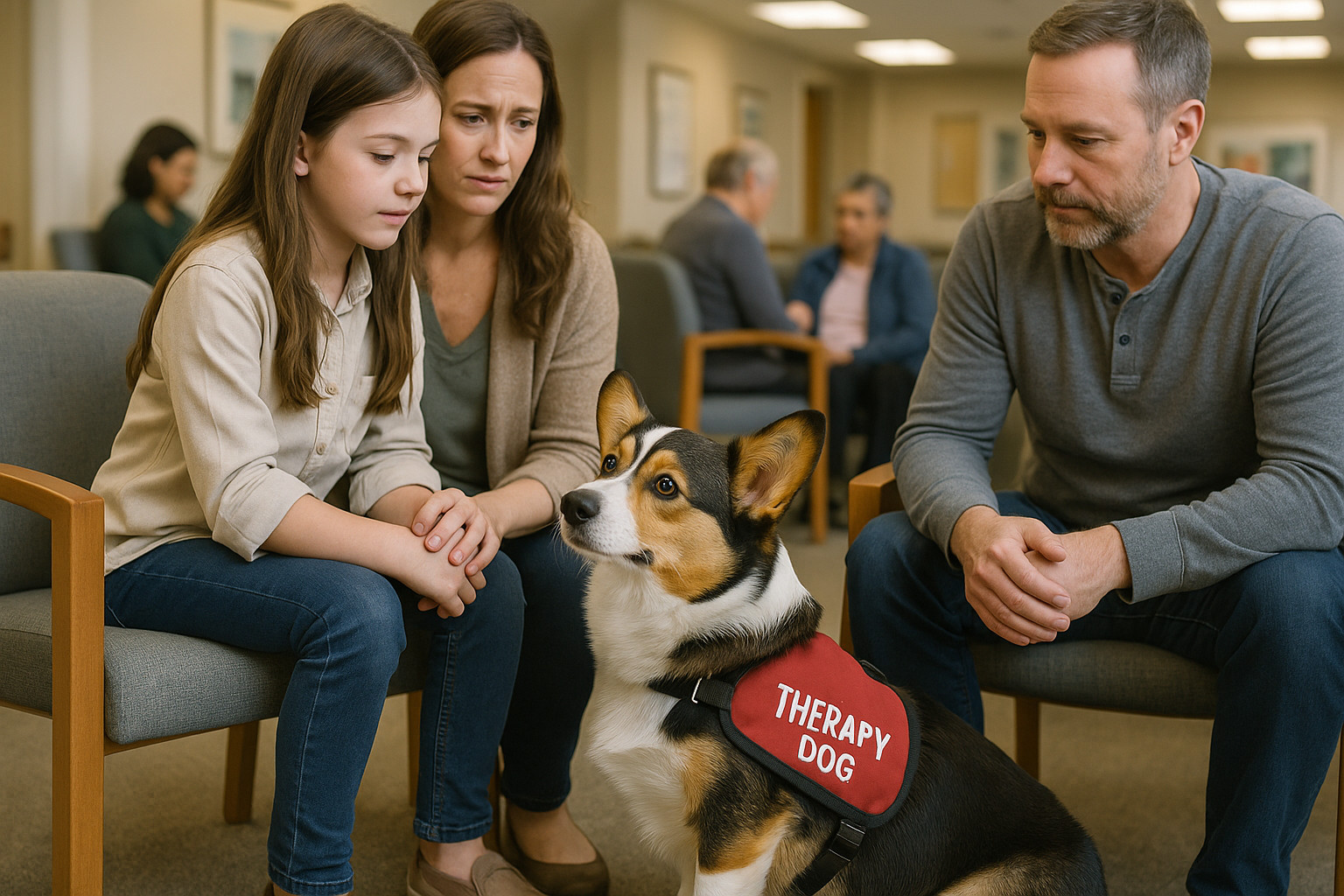
The Cardigan Welsh Corgi, with its delightful demeanor and unique charm, is increasingly recognized as an excellent candidate for therapy work. As therapy dogs, they bring joy, comfort, and a sense of security to various individuals in numerous settings. This article explores the suitability of the Cardigan Welsh Corgi for therapy roles, focusing on specific characteristics that make them ideal for such tasks.
Cardigan Welsh Corgi as a Therapy Dog Overview
The Cardigan Welsh Corgi, one of the oldest breeds from the British Isles, is known for its loyalty and amiable nature. Unlike their service or working-dog counterparts, therapy dogs like the Cardigan Welsh Corgi provide emotional and psychological support. This role requires a distinct combination of temperament, intelligence, and trainability — attributes notably present in this breed.
Understanding the Therapy Dog Role
Therapy dogs are trained to provide affection and comfort to individuals in hospitals, schools, or retirement homes. While they don't perform specific tasks like service dogs, their primary role is to offer emotional support. The success of a therapy dog hinges on empathy, calmness, and the ability to adapt. In such roles, the Cardigan Welsh Corgi's friendly, sociable nature brings a notable advantage. Their natural inclination to socialize and bond with people aligns well with therapy needs.
Physical Appearance and Energy Level
Physically, the Cardigan Welsh Corgi is characterized by its sturdy build, short legs, and a distinct, bushy tail. Their medium size makes them less intimidating to interact with, crucial for environments like pediatric wards or elderly care facilities. Their moderate energy levels allow them to be playful yet calm, essential for maintaining a soothing presence. They are active enough to engage children in playful therapy while still maintaining the composure needed in sensitive settings.
Personality and Emotional Intelligence
Cardigan Welsh Corgis are beloved for their intelligence and high emotional quotient. They exhibit keen sensitivity to human emotions, allowing them to respond empathetically to stress or sadness. Their warmth and friendliness foster immediate trust and confidence in clinical settings. The breed’s deep bond with handlers is an asset, ensuring they react appropriately to different emotional cues, making them versatile therapy companions.
Environments Where Cardigan Welsh Corgi Excels
This breed excels in varied therapy environments. Hospitals, with their changing atmospheres and different patient needs, are ideal settings where the Cardigan Welsh Corgi shines. Their adaptability and calm demeanor suit them well for rehabilitation centers, providing motivation and encouragement through their presence. Their size and affability make educational settings, such as schools, another beneficial environment. Their presence can ease anxiety and encourage social interaction among children.
Common Therapy Settings
In therapy settings, these dogs are often found visiting hospital patients, participating in school programs, or even bringing joy to patients in long-term care facilities. In hospitals, the touch and companionship of a therapy dog can significantly enhance patients' recovery experiences by reducing stress and anxiety. Their presence in schools helps children learn empathy and social skills, while care homes benefit from their comforting presence, sparking joy and rekindling memories for the elderly.
Register Any Breed
Interactions with Different Populations
The Cardigan Welsh Corgi shows exceptional versatility in interacting with diverse groups. Their deceptively simple demeanor appeals to children, providing a non-threatening presence that encourages interaction and learning. With the elderly, their gentle nature and no-fuss attitude help create joyous and comforting experiences. Their innate sensitivity makes them adept at reading emotional environments, being especially responsive in settings like PTSD therapy with veterans.
Health and Wellness Factors
Cardigan Welsh Corgis are generally healthy, but like all breeds, they have specific health issues to consider. Routine check-ups, a balanced diet, and regular exercise are vital. Their grooming needs are moderate, involving regular brushing to manage their thick coats. Ensuring their comfort and hygiene is crucial in preventing the spread of allergens, particularly in sensitive medical settings where patient health may be compromised.
Lifespan and Common Health Issues
Typically, Cardigan Welsh Corgis have a lifespan of 12 to 15 years. Common health concerns include hip dysplasia, progressive retinal atrophy, and intervertebral disc disease. Awareness of these issues is critical, as sudden health deterioration can affect their ability to perform their therapy roles effectively. Proactive health management ensures they remain healthy and active throughout their careers.
Maintenance and Care Needs
Regular care and maintenance play critical roles in ensuring a Cardigan Welsh Corgi is fit for therapy work. Routine grooming, dental care, and vet visits are necessary to maintain their health and appearance. Their social needs should not be overlooked — regular interaction with people and other dogs is essential for keeping them socially adaptable. This balance of physical and emotional care ensures they remain effective in a therapy capacity.
Training and Certification Readiness
Training a Cardigan Welsh Corgi for therapy work involves obedience training, socialization, and exposure to various environments. Their natural intelligence makes them eager learners, but patience is required to address their occasional stubborn streak. Certification as a therapy dog typically involves passing a temperament test and completing a standardized evaluation, all of which they can excel at with proper preparation.
Learning Style and Responsiveness
Due to their high intelligence, Cardigan Welsh Corgis are capable learners. They respond well to positive reinforcement techniques and are highly compliant when training incorporates play. Their eagerness to please and quick learning ability makes them excellent candidates for therapy work, as they readily adapt to new scenarios and instructions.
Handling Social and Emotional Stimuli
Cardigan Welsh Corgis exhibit a remarkable capacity for handling various social and emotional stimuli. Their quick adaptability and resilience allow them to adjust to changing emotional environments seamlessly. Whether in a boisterous school setting or a quiet hospital room, they maintain composure, offering consistent emotional support to those around them.
Strengths, Limitations, and Ideal Roles for Cardigan Welsh Corgi
These dogs possess numerous strengths, such as high emotional intelligence, adaptability, and a friendly demeanor. However, their potential for stubbornness means handlers must be consistent and patient. Despite this, their ideal roles in therapy involve interactions with children, the elderly, and individuals recovering from trauma or illnesses — scenarios where their comforting presence can significantly impact emotional well-being.
Final Thoughts
The Cardigan Welsh Corgi, with its unique combination of empathy, intelligence, and sociability, makes an excellent therapy dog. While they have specific needs concerning health and grooming, the benefits they offer in therapy settings outweigh these challenges. By providing joy, comfort, and emotional support, they serve as invaluable companions to individuals in need.
Key Takeaways for the Cardigan Welsh Corgi as a Therapy Dog
- Best suited for: Hospital environments, educational settings, care homes, and PTSD therapy.
- Not ideal for: Highly confined spaces with little social interaction or exercise opportunities.
- Temperament highlights: Empathetic, intelligent, adaptable, and friendly.
- Care and health notes: Routine grooming, health check-ups, and social interaction are essential.
- Therapy environments where they shine: Hospitals, schools, rehabilitation centers, and elderly care facilities.
By meticulously evaluating these compassionate canines, we recognize their capacity to improve emotional and psychological well-being, underscoring their value in therapy settings.


-
Public Access Kits
$149.00 Learn more This product has multiple variants. The options may be chosen on the product page -
Quick Ship Premium Vests
$48.00 – $82.00 Learn more This product has multiple variants. The options may be chosen on the product page -
Service Dog Bandana
$39.95 Learn more This product has multiple variants. The options may be chosen on the product page
Custom ID Cards

Custom ID Cards
All States

Canada Cards

Custom Service Dog Tags

Official Dog Vests

Smart Vests
Official Public Access Kits

Complete Kits
USA & CANADA Letters

High Quality Bandanas

Service Dog Tags

Smart Tags

ESA TAGS
