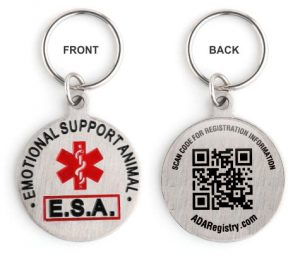
Cavalier King Charles Spaniel as a Service Dog
Register Any Breed
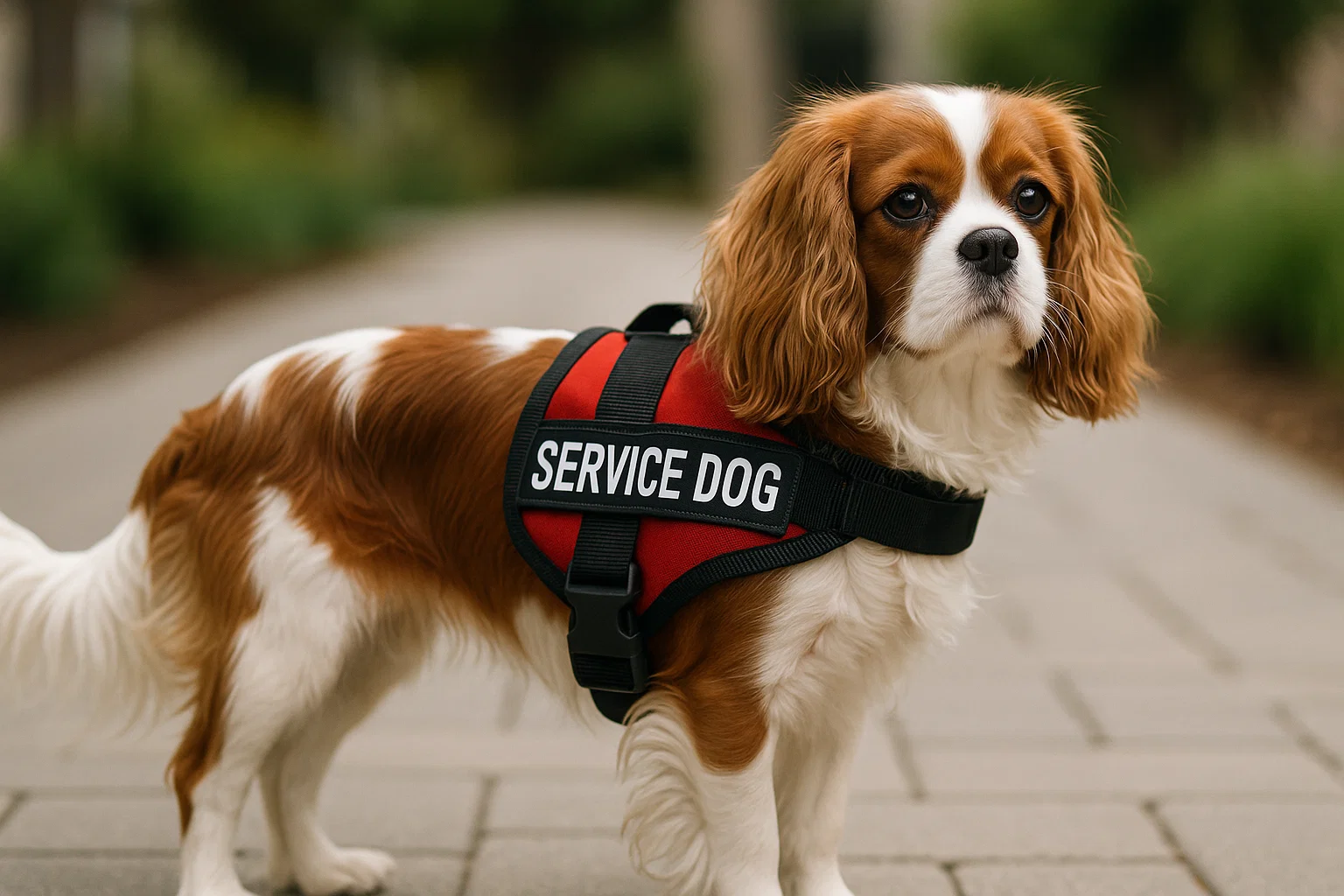
Service dogs play an indispensable role in the lives of many individuals, providing invaluable assistance in daily activities, physical tasks, emotional support, and more. While large, strong canines such as Labrador Retrievers and Golden Retrievers are commonly associated with service work, smaller breeds also possess unique qualities that make them suitable for specific service roles. The Cavalier King Charles Spaniel is one such breed that, although not a traditional choice, can excel in specific service capacities due to their unique traits and temperament.
Cavalier King Charles Spaniel Overview
Physical Characteristics
The Cavalier King Charles Spaniel is a toy breed, renowned for its elegant, regal appearance. Typically weighing between 13 to 18 pounds and standing about 12 to 13 inches tall at the shoulder, this breed is characterized by a moderately long, silky coat that comes in four recognized color combinations: Blenheim, Tricolor, Ruby, and Black & Tan.
- Size and Strength:
Due to their small size and delicacy, Cavalier King Charles Spaniels may not be ideal for tasks requiring physical strength or endurance, such as mobility assistance or guiding the visually impaired. However, their size makes them perfect companions for individuals needing assistance in more confined environments, such as homes or offices.
- Energy Level:
Cavaliers are moderately energetic. While they enjoy playtime and the occasional brisk walk, they tend to spend much of their time lounging and are typically content with modest daily exercise.
Temperament and Attitude
Cavalier King Charles Spaniels are celebrated for their affectionate and gentle nature, which can be a double-edged sword depending on the service requirement.
- Affectionate and Friendly:
Cavaliers are notably friendly and tend to form strong bonds with their owners, often shadowing them from room to room. This loyalty and desire to be in close proximity make them excellent candidates for emotional support and companionship roles.
- Social Behavior:
Cavaliers are amiable and generally get along well with children, other dogs, and pets. However, their sociability can become a distraction in public settings, especially if they attempt to greet everyone they meet.
Register Any Breed
- Stress Response:
While Cavaliers are usually calm, their sensitivity means that they might become anxious in chaotic or high-stress environments. It's essential for potential handlers to assess whether their lifestyle and environment will suit a Cavalier's emotional needs.
Types of Service Work
Though Cavalier King Charles Spaniels may not be widely recognized for traditional service roles, their unique characteristics lend themselves well to specific types of service work.
- Emotional Support Animals (ESA):
The Cavalier's inherent warmth and attentiveness make them exemplary emotional support animals. Their presence can provide immense comfort to individuals suffering from anxiety, depression, or PTSD.
- Therapy Dogs:
With their approachable and friendly demeanor, Cavaliers excel in therapeutic settings, visiting hospitals, nursing homes, and schools to provide solace and companionship.
- Medical Alert Dogs:
While not typical in roles requiring intense training or physical labor, some Cavaliers have excelled as medical alert dogs, especially for conditions such as diabetes where they alert their owners to changes in blood glucose levels through scent recognition.
Health Considerations
The Cavalier King Charles Spaniel, despite its many strengths, comes with several health concerns that could affect its capability as a service dog.
- Cardiac Issues:
Mitral Valve Disease (MVD) is prevalent in the breed and can lead to heart failure. It is vital for handlers to ensure regular veterinary check-ups to monitor heart health.
- Syringomyelia:
A neurological condition common in Cavaliers due to their skull size, which can lead to pain and discomfort. This condition might limit the dog's ability to function in stressful or physically demanding service roles.
- Obesity Risks:
Without proper exercise and diet management, Cavaliers can easily become overweight, impacting their health and service capability.
Training and Suitability
Cavalier King Charles Spaniels are intelligent and eager to please, which can make training a relatively smooth process.
- Trainability:
This breed’s intelligence allows them to pick up commands quickly, and their desire to please their owners can be a significant asset in training. However, the breed is also known for being distractible, as their curiosity and friendliness can sometimes lead to them becoming easily sidetracked.
- Independence:
Cavaliers tend to thrive on human interaction and might struggle with tasks requiring high levels of independence. They perform best in roles where they are with their owner throughout the day.
- Suitability for Service Roles:
Given their moderate energy levels, Cavaliers are more suited to roles that require close companionship rather than rigorous or physically demanding tasks.
Summary of Cavalier King Charles Spaniel
Overall, the Cavalier King Charles Spaniel can excel in specific service roles, particularly those centered around emotional support and companionship. However, their potential in these roles must be weighed against the breed's susceptibilities and limitations.
- Strengths:
- Excellent for emotional support and companionship
- Affectionate and friendly temperament
- Well-suited for therapeutic environments
- Weaknesses:
- Prone to specific health issues, limiting capacity in some service roles
- Easily distracted in busy environments
- Less suitable for physically demanding tasks
- Ideal Service Roles:
- Emotional Support Animal
- Therapy Dog
- Select Medical Alert Tasks
In conclusion, the Cavalier King Charles Spaniel may not fit the traditional profile of a service dog due to its size and specific health concerns. However, when matched with the right individual, their loving nature and companionship can provide significant emotional and therapeutic support. Proper assessment and training tailored to their strengths and limitations ensure that a Cavalier King Charles Spaniel can make an exemplary service dog for those in need of companionship and emotional stability.


-
Public Access Kits
$149.00 Learn more This product has multiple variants. The options may be chosen on the product page -
Quick Ship Premium Vests
$48.00 – $82.00 Learn more This product has multiple variants. The options may be chosen on the product page -
Service Dog Bandana
$39.95 Learn more This product has multiple variants. The options may be chosen on the product page
Custom ID Cards

Custom ID Cards
All States
Canada Cards
Custom Service Dog Tags
Official Dog Vests

Smart Vests
Official Public Access Kits
Complete Kits
USA & CANADA Letters
High Quality Bandanas
Service Dog Tags
Smart Tags

ESA TAGS