Cesky Terrier as a Service Dog
Register Any Breed
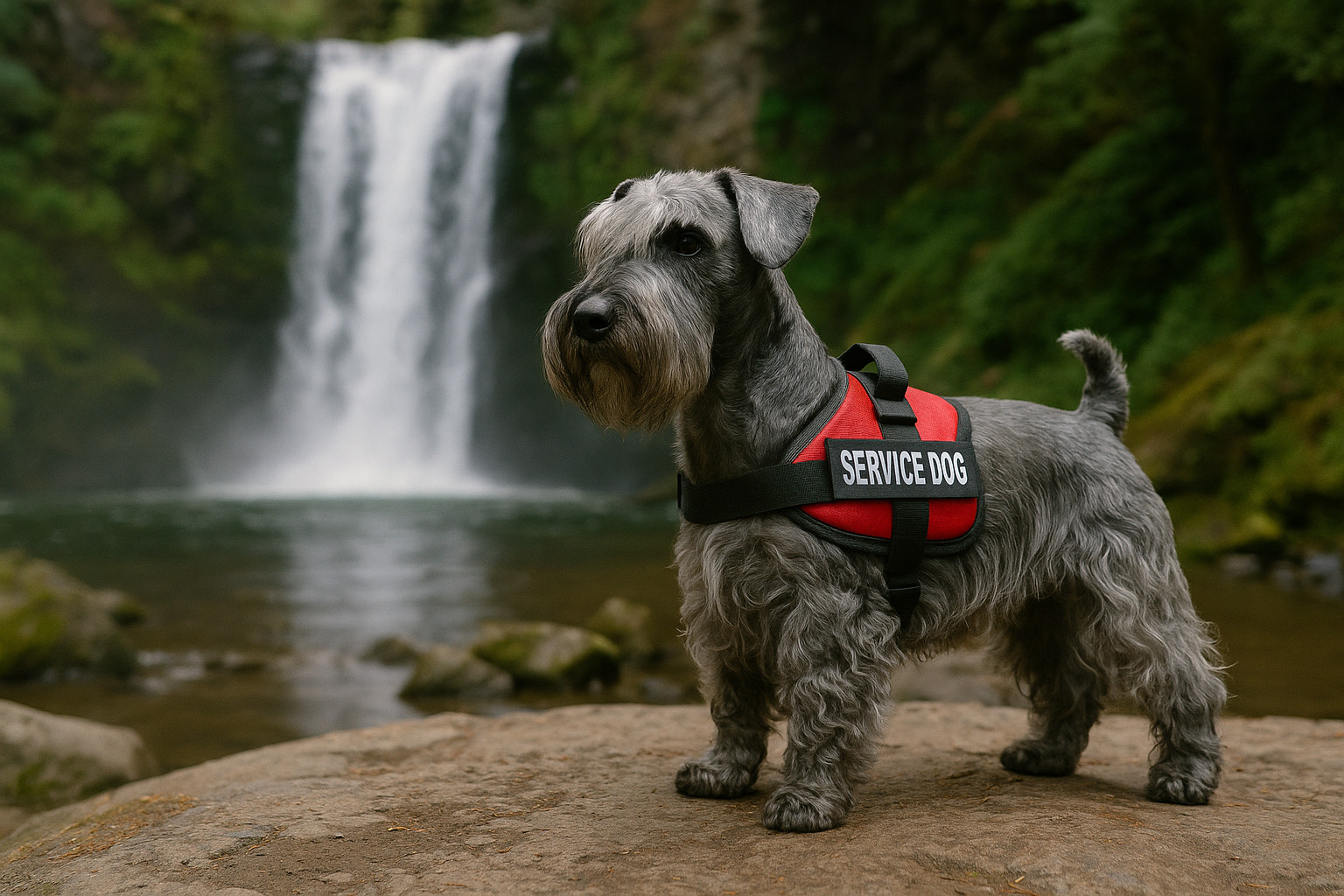
In the realm of service dogs, breeds like the Labrador Retriever, Golden Retriever, and German Shepherd typically dominate the conversation. However, lesser-known breeds such as the Cesky Terrier have begun to garner interest for specific service roles. Understanding the capabilities, temperament, and characteristics of the Cesky Terrier is essential to determine their suitability for service work. This article will explore the Cesky Terrier’s potential as a service dog, focusing on its physical characteristics, temperament, types of service work it can perform, health considerations, training needs, and overall suitability.
Cesky Terrier Overview
Originating in Czechoslovakia, the Cesky Terrier was developed by crossing the Sealyham and Scottish terriers. As a result, this unique breed boasts a blend of traits from both backgrounds, making it a practical yet less conventional choice for service dog roles. Understanding this breed's origins gives insight into its unique blend of characteristics, ideal for potential service work.
Physical Characteristics
The Cesky Terrier is a small-to-medium-sized dog, typically weighing between 16 and 22 pounds and standing about 10 to 13 inches at the shoulder. Its long, low build and wavy coat set it apart visually from other terrier breeds. The Cesky Terrier's compact size makes it a good candidate for indoor environments and close-quarter tasks.
- Size and Strength: Though not large or strong enough for tasks requiring significant strength or pulling capacity, their agility and compact size are advantageous for navigating tight spaces.
- Coat and Maintenance: Their soft, silky coat is relatively low-shedding, making them suitable for individuals with mild allergies. Regular grooming is necessary to maintain their coat, which requires commitment from both the trainer and owner.
- Energy Levels: Cesky Terriers have moderate energy levels, which means they need regular exercise but are not overly hyperactive, making them suitable for a variety of lifestyles.
Temperament and Attitude
Cesky Terriers are known for their balanced temperament, embodying a mix of playfulness, patience, and intelligence. These traits are crucial when evaluating any breed's potential as a service dog.
- Intelligence: Their level of intelligence facilitates training, allowing them to quickly learn and execute tasks. However, they possess a degree of independence typical of terriers, which can sometimes require more persistent training methods.
- Social Behavior: Cesky Terriers are generally friendly and good with people, making them suitable companions in various environments. They can be a bit reserved with strangers initially but warm up quickly, which can be beneficial in public settings.
- Stress and Public Setting Adaptability: They handle stress well and adapt effectively to different public environments, which are essential traits for service dogs that must remain composed amidst distractions.
Types of Service Work
Given their unique physical and behavioral traits, Cesky Terriers are better suited to specific types of service work. They are not suitable for all roles due to their size and strength limitations.
- Emotional Support: Cesky Terriers excel in providing emotional support to individuals dealing with anxiety, depression, or PTSD. Their intuitive and calm nature helps them offer comfort to those in need.
- Therapeutic Roles: Their social nature and manageable size make them excellent visiting dogs in settings like hospitals or nursing homes, where they can provide companionship and joy.
- Hearing Assistance: Given their acute sense of hearing, they can be trained to assist individuals with hearing impairments by alerting them to specific sounds or alarms.
Health Considerations
Every breed has health issues to be mindful of, and the Cesky Terrier is no exception. Awareness of these conditions is important when considering them for service work.
- Orthopedic Concerns: Like many small breeds, Cesky Terriers may be prone to patellar luxation. Regular veterinary check-ups are essential to manage any potential orthopedic issues that could impact their service abilities.
- Eye Conditions: Genetic predispositions to eye problems such as cataracts require proactive management to ensure their eyesight remains dependable for service work.
- Overall Longevity: Cesky Terriers generally enjoy a lifespan of 12 to 15 years, providing many years of potential service when well-cared for.
Training and Suitability
Training a service dog requires commitment, patience, and expertise. Trainability varies widely depending on the breed and the individual dog. For Cesky Terriers, certain factors need consideration to maximize their potential.
Register Any Breed
- Trainability: Their intelligence supports learning complex tasks, but the terrier’s independent streak can make training challenging at times. Consistent, positive reinforcement-based training is recommended for best results.
- Public Access Skills: Given their manageable size and generally calm demeanor, Cesky Terriers can be effectively trained in public access skills, essential for a service dog working in public places.
- Adaptation to Roles: While not suited for roles requiring significant physical strength, they adapt well to mental tasks and environments demanding focus and calm.
Summary of Cesky Terrier
In summary, the Cesky Terrier possesses unique attributes that make it a suitable candidate for specific service roles. Below is a breakdown of their strengths and weaknesses:
- Strengths:
- Compact size ideal for indoor and tight-space settings
- Moderate energy levels compatible with various lifestyles
- Intelligent and quick to learn specific tasks
- Good temperament for emotional support roles
- Weaknesses:
- Not suitable for roles requiring significant physical strength or endurance
- Needs regular grooming and care
- Independent streak can require persistent training methods
- Ideal Service Roles:
- Emotional support roles, where companionship is key
- Therapeutic visits in hospitals and care facilities
- Hearing assistance tasks due to keen auditory senses
The Cesky Terrier may not fit the traditional mold of a service dog but presents an excellent option in specific roles that capitalize on its temperament and physical attributes. Proper training and management can harness their potential to support individuals in need effectively.


-
Public Access Kits
$149.00 Learn more This product has multiple variants. The options may be chosen on the product page -
Quick Ship Premium Vests
$48.00 – $82.00 Learn more This product has multiple variants. The options may be chosen on the product page -
Service Dog Bandana
$39.95 Learn more This product has multiple variants. The options may be chosen on the product page
Custom ID Cards

Custom ID Cards
All States

Canada Cards

Custom Service Dog Tags
Official Dog Vests
Smart Vests
Official Public Access Kits
Complete Kits
USA & CANADA Letters
High Quality Bandanas
Service Dog Tags
Smart Tags

ESA TAGS