Chesapeake Bay Retriever as a Therapy Dog
Register Any Breed

Chesapeake Bay Retriever as a Therapy Dog Overview
Chesapeake Bay Retrievers, affectionately known as Chessies, are renowned for their intelligence, loyalty, and resilience. As therapy dogs, these characteristics translate into versatile and endearing attributes that support individuals across various settings. Known primarily as water dogs and hunting companions, Chessies possess unique qualities that make them remarkable candidates for therapy work. Their adaptability, sensitivity, and steadfast nature enable them to excel in emotional support roles, ensuring a nurturing presence wherever needed.
Understanding the Therapy Dog Role
Therapy dogs play a vital role in providing emotional support and companionship to individuals in need. Unlike service dogs, whose work involves specific tasks to assist people with disabilities, therapy dogs offer therapeutic comfort to individuals across diverse environments, such as hospitals, schools, and rehabilitation centers. A crucial aspect of a successful therapy dog is a temperament that facilitates calm, empathetic interactions, combined with consistent behavior that reassures those in their presence.
Physical Appearance and Energy Level
The Chesapeake Bay Retriever is a robust, muscular breed known for its strength and endurance. Typically, they have a dense double coat that is both water-resistant and easy to maintain, an advantage that helps reduce the risk of allergens—a crucial consideration in environments such as hospitals and clinics. Their physical presence is both comforting and calming. However, their high energy levels must be managed effectively through regular exercise to maintain their patience and focus in therapy work.
Personality and Emotional Intelligence
Chessies are known for their strong-willed and intelligent nature, qualities that contribute positively to their potential as therapy dogs. Their instinctual loyalty, combined with a deep-seated devotion to their human companions, fosters a comforting presence. Their keen emotional intelligence allows them to empathize with people's moods and adjust their behavior accordingly. Chessies exhibit a remarkable ability to cater to the emotional needs of those they interact with, providing solace and upliftment through their considerable emotional sensitivity.
Environments Where Chesapeake Bay Retriever Excels
In therapeutic environments, the versatile nature of the Chesapeake Bay Retriever allows them to thrive. Their adaptability and confidence make them well-suited for emotionally charged settings. Chessies excel in environments where warmth and companionship are crucial, such as hospitals, nursing homes, and educational settings. Their intuitive faculty to differentiate between calm and active settings enables them to tailor their approach to suit the surrounding needs, whether offering quiet comfort or engaging in playful interaction.
Common Therapy Settings
- Hospitals and Clinics: Chessies provide relief and cheerfulness to patients and medical staff, facilitating recovery with their calming presence.
- Schools and Libraries: Their intelligence and patience make them excellent companions for reading programs, helping children overcome learning challenges while fostering a love for literacy.
- Rehabilitation Centers: The retriever's resilience and adaptability assist individuals undergoing rehabilitative procedures by providing companionship and moral support.
Interactions with Different Populations
The Chessie's ability to form strong bonds with individuals is a significant asset in therapy settings. They are notably gentle with children, elders, and people with disabilities, making them excellent companions across age groups. Chessies possess a calm demeanor that can soothe anxiety and stress in patients, coupled with an attentive and engaging nature that encourages social interaction among withdrawn individuals. Their loyal companionship often brings comfort to those dealing with emotional turmoil or life transitions.
Health and Wellness Factors
Chesapeake Bay Retrievers typically have a lifespan ranging from 10 to 13 years, with generally robust health. However, they are predisposed to certain common breed-specific issues, such as hip dysplasia, eye conditions, and, occasionally, heart disease. Regular health checks and a well-maintained diet help manage these risks. Grooming requirements, influenced by their dense coat, include regular brushing to minimize shedding and ensure comfort, both of which are vital in maintaining their effectiveness in a therapy capacity.
Register Any Breed
Lifespan and Common Health Issues
A well-cared-for Chesapeake Bay Retriever can enjoy a healthy and active life up until the later years. Vigilance towards potential hereditary conditions—such as hip dysplasia, progressive retinal atrophy, and degenerative myelopathy—is advised. Early detection and proactive management can mitigate adverse health impacts, ensuring that Chessies remain active and fit for their roles as therapy companions for extended periods.
Maintenance and Care Needs
Chessie's grooming involves periodic but thorough brushing to manage their water-repellant coat, and occasional baths to maintain coat health. Their nails require regular trimming, a task that contributes to their comfort and mobility, while dental hygiene practices help avert oral health issues. The Chessie's health and ability to function as therapy dogs are contingent upon a balanced exercise regime that fulfills their high-energy needs, aligning with a diet comprising suitable nutrients to support their well-being.
Training and Certification Readiness
Chessies are renowned for their training readiness, underscored by an innate curiosity and willingness to learn. They respond well to positive reinforcement techniques, making them ideal candidates for therapy dog certification. Their intelligent nature and steadfast temperament ensure they can meet the rigorous requirements of therapy dog roles, with adequate socialization within different environments augmenting their preparation and adaptability to diverse settings and populations.
Learning Style and Responsiveness
Chesapeake Bay Retrievers possess a focused learning style characterized by quick comprehension and retention. They excel in obedience training due to their attentiveness and enthusiasm in participating in structured activities. Their adaptability enhances their capacity to learn context-specific behaviors required in therapy work, supplemented by their eagerness to please and support human companions.
Handling Social and Emotional Stimuli
Chessies demonstrate an exceptional ability to manage various social and emotional stimuli, owing to their steady, composed demeanor. Their capacity to intuitively identify the emotional needs of individuals, coupled with a calm aura, positions them as ideal therapy companions. Whether navigating the complexities of group interactions or responding sensitively to one-on-one scenarios, Chesapeake Bay Retrievers maintain a balanced, empathetic disposition, ensuring positive and meaningful engagements.
Strengths, Limitations, and Ideal Roles for Chesapeake Bay Retriever
- Strengths: Chessies are known for their resilience, intelligence, and affectionate nature, all key attributes for thriving as therapy dogs. Their loyalty and emotional sensitivity are particularly beneficial in therapeutic roles, where fostering trust and comfort is paramount.
- Limitations: While adaptable, Chessies may exhibit a strong-willed nature, requiring experienced handlers to ensure consistent behavior. Their high energy levels necessitate balanced exercise—an important consideration for therapy settings demanding prolonged calmness and patience.
- Ideal Roles: Particularly diverse in their abilities, Chessies are ideal for environments where emotional support is pivotal. These include hospital wards, therapy classrooms, and rehabilitative facilities, where their nurturing nature provides comfort, aiding cognitive and emotional rehabilitation.
Final Thoughts
The Chesapeake Bay Retriever stands out as a genuine and unwavering companion in therapy environments. Their blend of emotional intelligence, adaptability, and steadfast loyalty forms the cornerstone of their effectiveness as therapy dogs. While each Chessie brings unique qualities to their roles, their steadfast presence consistently delivers companionship and comfort to those in need. As therapy dogs, they embody reliability and empathy, poised to facilitate emotional healing and support across distinct settings.
Key Takeaways for the Chesapeake Bay Retriever as a Therapy Dog
- Best suited for: Hospitals, schools, and rehabilitation centers where resilience and emotional support are key.
- Not ideal for: Environments requiring low-energy or docile presence without sufficient physical outlet.
- Temperament highlights: Loyal, compassionate, strong-willed, emotionally intelligent.
- Care and health notes: Prone to hip dysplasia and eye conditions; requires regular exercise and grooming.
- Therapy environments where they shine: Emotional support settings needing companionship and calm reassurance.


-
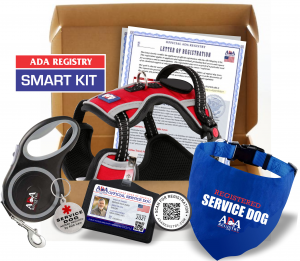
Public Access Kits
$149.00 Learn more This product has multiple variants. The options may be chosen on the product page -
Quick Ship Premium Vests
$48.00 – $82.00 Learn more This product has multiple variants. The options may be chosen on the product page -
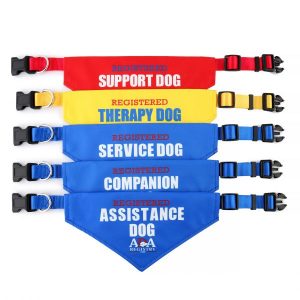
Service Dog Bandana
$39.95 Learn more This product has multiple variants. The options may be chosen on the product page
Custom ID Cards

Custom ID Cards
All States

Canada Cards

Custom Service Dog Tags

Official Dog Vests

Smart Vests
Official Public Access Kits
Complete Kits
USA & CANADA Letters
High Quality Bandanas
Service Dog Tags
Smart Tags

ESA TAGS