Chesapeake Bay Retriever as an Emotional Support Dog
Register Any Breed
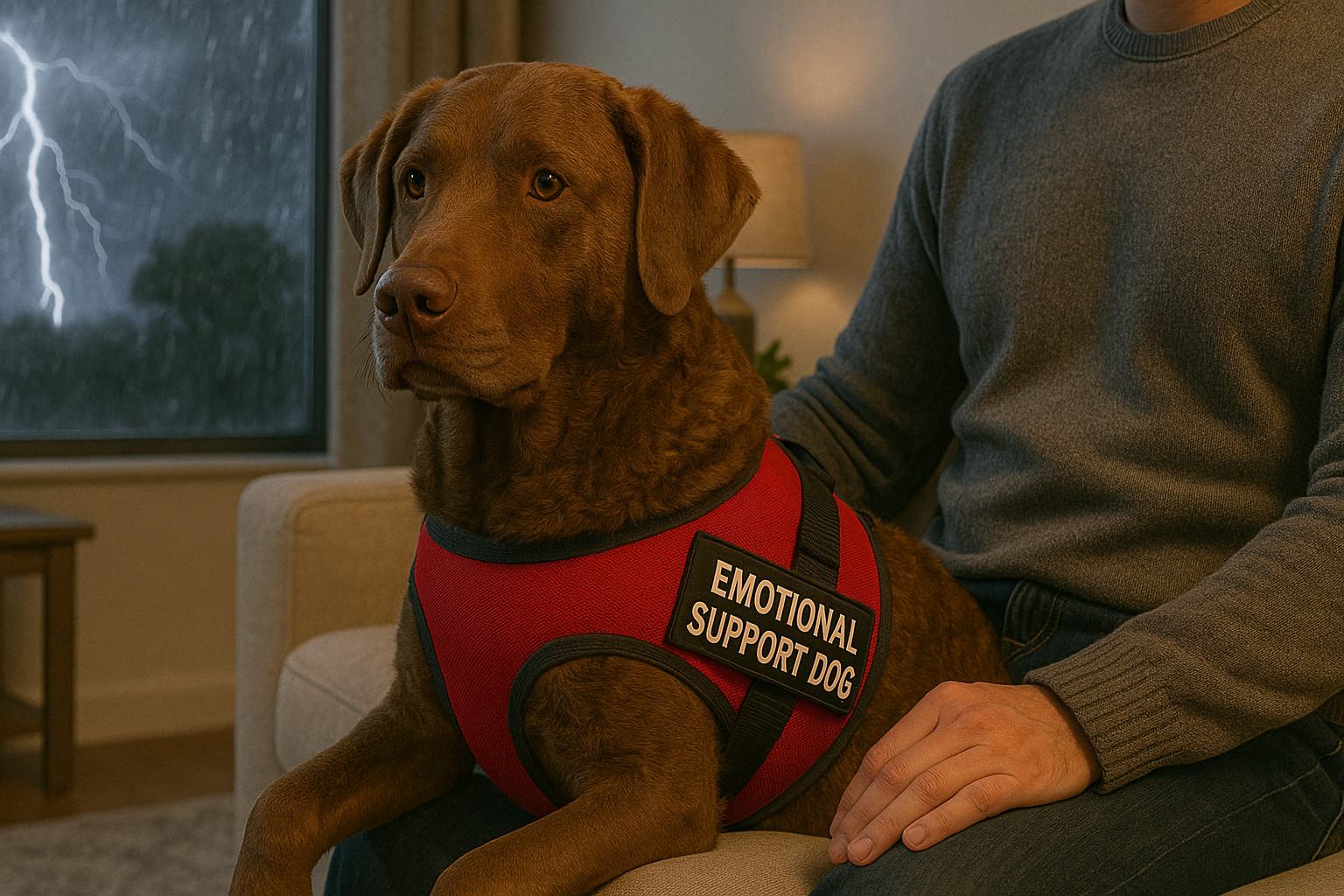
The Chesapeake Bay Retriever, a breed known for its intelligence and loyalty, can offer profound emotional support when integrated into a nurturing environment. As emotional support animals (ESAs), they have the innate ability to sense emotions and bring comfort through companionship. This article will delve into the specific qualities that make the Chesapeake Bay Retriever an exceptional candidate for emotional support, offering a structured insight into their characteristics and care needs.
Understanding the Emotional Support Role
Emotional support animals are distinct from service dogs; their primary role is to provide companionship to individuals in need of emotional or psychological assistance. While they do not perform specific tasks, their presence alone can alleviate symptoms of anxiety, depression, and other emotional challenges. The Chesapeake Bay Retriever excels in this role due to its natural disposition and adaptability.
Chesapeake Bay Retriever Overview
Chesapeake Bay Retrievers, affectionately known as "Chessies," are medium to large-sized dogs originally bred for retrieving waterfowl under challenging conditions. Their sturdy build and resilience are complemented by a warm and steady demeanor, which are valuable traits for an emotional support companion.
- Size: Typically weighing between 55 to 80 pounds.
- Lifespan: Generally 10-13 years.
- Coat: Dense and waterproof, facilitating outdoor activities which can be therapeutic for their human companions.
Temperament and Emotional Connection
The temperament of the Chesapeake Bay Retriever significantly contributes to their effectiveness as emotional support animals. Known for their intelligence and eagerness to please, they form strong bonds with their owners.
- Empathy: Chessies possess a keen ability to pick up on human emotions, providing comfort and stability.
- Loyalty: Their commitment to their family is unwavering, offering a sense of security and companionship.
Adaptability and Daily Behavior
Chesapeake Bay Retrievers are adaptable to various lifestyles, making them suitable for different emotional support settings. Their energetic nature encourages physical activity, which can be beneficial for individuals who require regular outdoor exercise to manage emotional wellbeing.
- Energy Levels: High energy coupled with calm indoor behavior when properly exercised.
- Flexibility: Adapt well to both active living and quieter households, provided their need for physical activity is satisfied.
Situations Where Chesapeake Bay Retriever Provides Strong Support
Chessies offer comfort in numerous situations which can be advantageous for individuals experiencing stress, depression, or anxiety.
- Anxiety Relief: Their calm demeanor and consistent presence help in grounding individuals during anxiety episodes.
- Physical Presence: Their size and warmth provide tactile comfort, beneficial for those with sensory processing issues.
Ideal Living Environments
While Chesapeake Bay Retrievers can adapt to various settings, certain environments enhance their ability to provide emotional support.
Register Any Breed
- Space: Prefer homes with sufficient space to roam, such as houses with a yard, although apartment living is feasible with regular exercise.
- Family Homes: Thrive in family settings where they can engage with multiple people.
Bonds with Different Types of People
Chesapeake Bay Retrievers are versatile in forming bonds, which can aid various individuals requiring emotional support.
- Children: Their patient and gentle nature makes them excellent companions for children.
- Seniors: Offer reliable companionship and moderate activity levels suitable for older adults.
Health, Care, and Wellbeing
Ensuring the health and wellbeing of a Chesapeake Bay Retriever is crucial for them to effectively fulfill their role as an ESA.
Common Health Considerations
As a robust breed, Chessies have certain genetic predispositions that should be monitored to maintain their ability to provide consistent support.
- Hip Dysplasia: Regular check-ups can prevent mobility issues.
- Eye Conditions: Periodic eye examinations are recommended.
Grooming, Comfort, and Maintenance Needs
The coat care of Chesapeake Bay Retrievers is minimal, yet regular attention can enhance their comfort and companionship quality.
- Grooming: Weekly brushing to manage shedding, with more frequent attention during seasonal shedding periods.
- Comfort: Ensure they have comfortable bedding, particularly as they age and require joint support.
Preparing a Chesapeake Bay Retriever for Emotional Support Work
Training and socialization are critical elements in preparing a Chesapeake Bay Retriever for emotional support duties.
Socialization and Responsiveness
Proper socialization from an early age ensures that Chessies remain receptive and calm in diverse environments.
- Exposure: Introduce various social settings to familiarize them with different stimuli.
- Training: Basic obedience training enhances their ability to respond to emotional cues.
Managing Stress and Emotional Cues
Managing the emotional health of a Chesapeake Bay Retriever ensures they remain effective and happy companions.
- Routine: Establish a stable daily routine to reduce anxiety and promote security.
- Playtime: Incorporate play activities to alleviate stress and maintain physical health.
Strengths, Challenges, and Ideal Homes for Chesapeake Bay Retriever
While Chessies offer significant emotional support, understanding their strengths and potential challenges ensures a successful relationship.
- Strengths: High intelligence and empathetic nature enhance their support capabilities.
- Challenges: Require consistent exercise and mental stimulation to prevent behavioral issues.
Final Thoughts
The Chesapeake Bay Retriever exemplifies the qualities desirable in an emotional support animal, but like all pets, they require dedicated care and attention. Their unique combination of empathy, loyalty, and resilience makes them suitable for a variety of environments where emotional support is needed most.
Key Takeaways for the Chesapeake Bay Retriever as an Emotional Support Dog
- Best suited for: Active individuals and families, those with space or access to regular outdoor activity.
- Not ideal for: Homes unable to provide adequate exercise or time commitments.
- Emotional traits: Loyal, empathetic, and attentive to human emotions.
- Care and health notes: Regular exercise needed; monitor for hip dysplasia and eye conditions.
- Environments where they provide the most comfort: Family homes, active households, and environments where regular companionship is vital.


-
Public Access Kits
$149.00 Learn more This product has multiple variants. The options may be chosen on the product page -
Quick Ship Premium Vests
$48.00 – $82.00 Learn more This product has multiple variants. The options may be chosen on the product page -
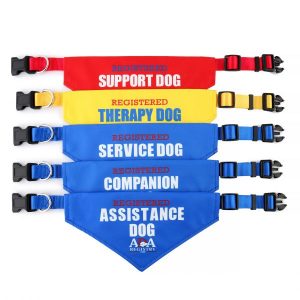
Service Dog Bandana
$39.95 Learn more This product has multiple variants. The options may be chosen on the product page
Custom ID Cards

Custom ID Cards
All States

Canada Cards

Custom Service Dog Tags
Official Dog Vests

Smart Vests
Official Public Access Kits
Complete Kits
USA & CANADA Letters
High Quality Bandanas
Service Dog Tags
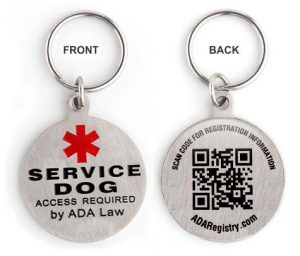
Smart Tags

ESA TAGS