Chinese Crested as a Therapy Dog
Register Any Breed
Chinese Crested as a Therapy Dog Overview
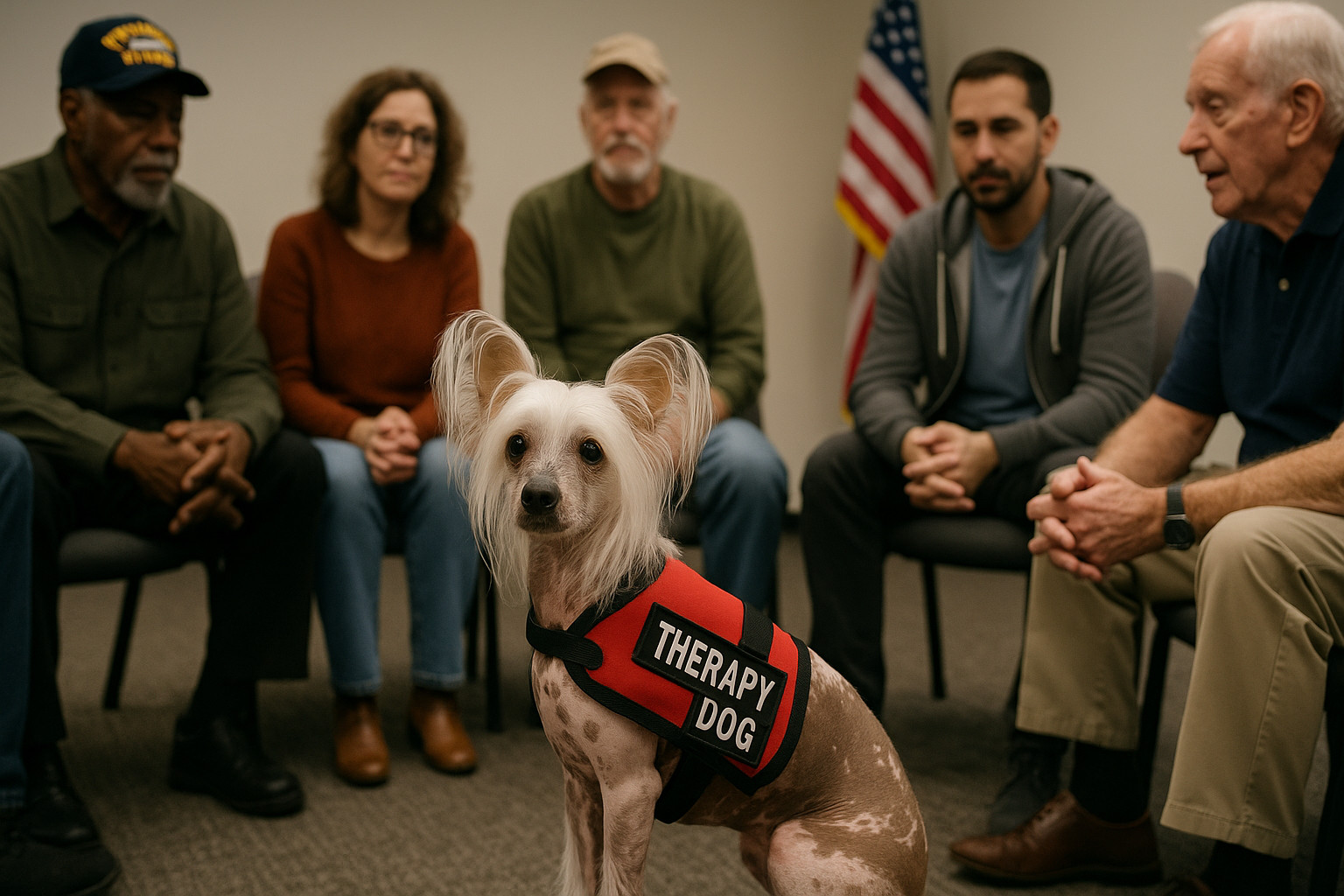
The Chinese Crested dog is known for its unique appearance, affectionate nature, and potential as a therapy dog. With proper training and patient care, this breed can provide considerable emotional support and comfort to those in need. This article explores the role of the Chinese Crested in therapy settings, focusing on traits that make them excellent companions for therapeutic work.
Understanding the Therapy Dog Role
Therapy dogs provide emotional support, comfort, and companionship to people in various settings, including hospitals, nursing homes, schools, and rehabilitation centers. Unlike service dogs, therapy dogs are focused on offering comfort and affection rather than performing specific tasks. They must possess an even temperament, a friendly nature, and the ability to adapt to different environments and people.
Physical Appearance and Energy Level
The Chinese Crested is a small breed, available in Hairless and Powderpuff varieties, which makes them a preferred choice for therapy settings where a non-intimidating presence is beneficial. Their small size allows them to comfortably sit on a patient's lap or beside them, enhancing their ability to provide comfort.
- Energy Level: Their moderate energy level allows them to engage playfully with those seeking light-hearted interaction while remaining calm and composed when the situation demands. They can adjust their activity level based on the environment, facilitating interaction with patients of different energy capacities.
Personality and Emotional Intelligence
Chinese Cresteds are known for their affectionate and loving nature, which makes them excellent companions as therapy dogs. Their temperament is generally friendly, curious, and alert, enhancing their ability to connect with people emotionally.
- Emotional Intelligence: These dogs are remarkably sensitive to human emotions, allowing them to respond appropriately to the needs of those they help. Their ability to gauge and adapt to the emotional state of their companions is a crucial asset in therapy settings.
Environments Where Chinese Crested Excels
The adaptability of the Chinese Crested makes them suitable for a variety of environments. Their small size and friendly demeanor suit them to places where close human interaction is required.
Common Therapy Settings
- Hospitals: They provide companionship and comfort to patients, contributing to emotional healing.
- Nursing Homes: Their gentle nature and small size enable them to interact safely with elderly individuals.
- Schools: They can be used in programs designed to help children with reading difficulties or social anxiety.
- Rehabilitation Centers: Their empathic presence can aid in the recovery process for individuals facing physical or emotional challenges.
Interactions with Different Populations
Chinese Cresteds manage well with various populations due to their flexibility and adaptability:
- Children: Their playful yet gentle disposition makes them suitable for engaging with children, providing both fun and comfort.
- Elderly: Their soothing presence and low-key demeanor can be calming and reassuring for seniors who benefit from emotional interactions.
- Individuals with Anxiety or Depression: Their intuitive ability to sense emotional discomfort allows them to act as soothing companions for those experiencing mental health issues.
Health and Wellness Factors
The health and wellness of a Chinese Crested play a vital role in their effectiveness as therapy dogs. Their unique coat and skin require specific care to ensure they remain comfortable and prevent distractions due to discomfort.
Register Any Breed
- Skin Care: Regular care for their skin is vital, particularly for the Hairless variety, which can be prone to skin conditions.
- Diet and Nutrition: Maintaining a balanced diet ensures they remain energetic and healthy, maximizing their ability to perform therapy tasks effectively.
Lifespan and Common Health Issues
The Chinese Crested generally has a lifespan of 13–18 years. However, there are particular health issues common in the breed that prospective therapy dog trainers should be mindful of:
- Common Health Issues: Dental problems, skin conditions, and patellar luxation are conditions that might impact their ability to perform in therapy roles.
Maintenance and Care Needs
A well-maintained Chinese Crested dog is not only healthier but also more comfortable in the demanding role of a therapy dog.
- Grooming: Regular grooming and skincare for the Hairless type, along with coat care for the Powderpuff variety, ensure they remain in optimal condition.
- Physical Maintenance: Their small stature makes them easy to manage physically, but they still need adequate exercise and engagement to prevent anxiety or behavioral issues.
Training and Certification Readiness
The trainability of the Chinese Crested is influenced by their intelligence and desire to please. These qualities can be harnessed to achieve the necessary certifications for therapy dogs.
Learning Style and Responsiveness
Chinese Cresteds are quick learners due to their intelligent and alert nature, although they might display a degree of stubbornness. Positive reinforcement training approaches work best, emphasizing patience and consistency.
- Responsive Training: Training programs focusing on socialization, obedience, and exposure to diverse environments equip this breed to succeed in therapy roles.
Handling Social and Emotional Stimuli
Due to their high emotional intelligence, Chinese Cresteds can handle varying emotional stimuli well, making them reliable participants in therapy programs. Their willingness to engage in affectionate interactions aids in their therapy duties.
Strengths, Limitations, and Ideal Roles for Chinese Crested
- Strengths: Emotional intelligence, adaptability, and gentle nature make them excellent therapy dog candidates.
- Limitations: Health concerns and grooming requirements might limit their availability or accessibility for frequent sessions.
- Ideal Roles: Their affectionate nature equips them well for roles in individualized therapy sessions, where they can develop deeper emotional connections with the individuals they assist.
Final Thoughts
The Chinese Crested, with its blend of emotional sensitivity, intelligence, and adaptability, is well-suited for therapy work. Understanding their specific care needs and investing in consistent, positive training enable them to thrive as therapy dogs, bringing comfort and joy to those they assist.
Key Takeaways for the Chinese Crested as a Therapy Dog
- Best suited for: Individual therapy sessions, environments with children, elderly care
- Not ideal for: Situations requiring robust physical activity or extended exposure to extreme temperatures
- Temperament highlights: Affectionate, sensitive, adaptable
- Care and health notes: Requires regular grooming and attention to skin health
- Therapy environments where they shine: Hospitals, nursing homes, schools, and personal therapy interactions


-
Public Access Kits
$149.00 Learn more This product has multiple variants. The options may be chosen on the product page -
Quick Ship Premium Vests
$48.00 – $82.00 Learn more This product has multiple variants. The options may be chosen on the product page -
Service Dog Bandana
$39.95 Learn more This product has multiple variants. The options may be chosen on the product page
Custom ID Cards

Custom ID Cards
All States

Canada Cards

Custom Service Dog Tags
Official Dog Vests

Smart Vests
Official Public Access Kits
Complete Kits
USA & CANADA Letters

High Quality Bandanas
Service Dog Tags
Smart Tags

ESA TAGS