Chinook as an Emotional Support Dog
Register Any Breed
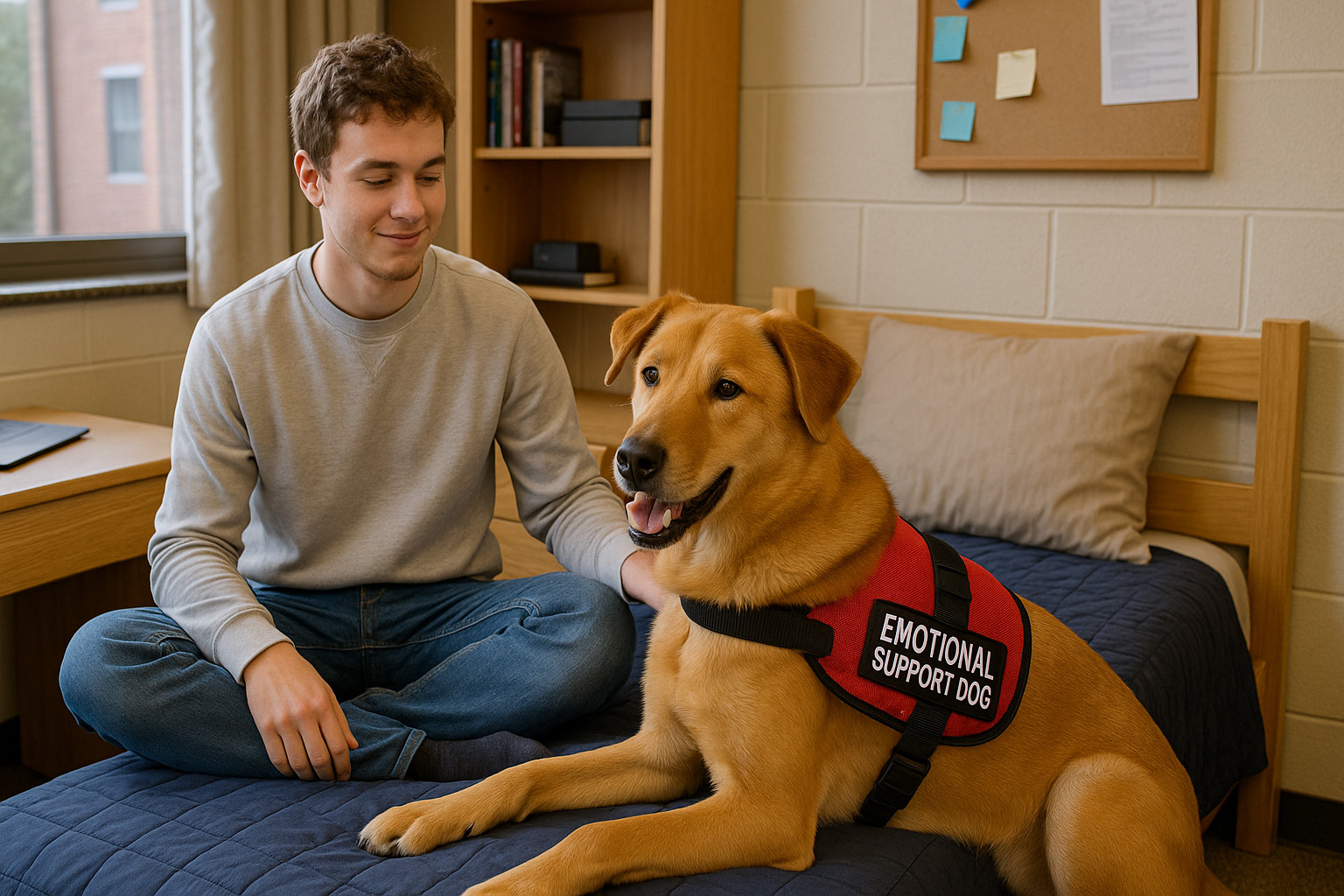
Dogs have long been recognized for their capacity to provide comfort and companionship to humans, a trait that is particularly valuable in emotional support roles. One breed that is gaining recognition in this area is the Chinook. This article explores the various ways in which the Chinook excels as an emotional support dog, providing support to those who need it most.
Understanding the Emotional Support Role
Emotional support animals (ESAs) are not the same as service dogs. While service dogs are trained to perform specific tasks for individuals with disabilities, ESAs provide comfort through companionship, helping to alleviate symptoms of emotional or psychological disorders. The role of an ESA is vital for individuals facing anxiety, depression, PTSD, or loneliness. It is within this context that the Chinook's gentle disposition and strong sense of empathy make it an exceptional candidate.
Chinook Overview
Originating in New Hampshire in the early 20th century, the Chinook was initially bred for sled racing. However, despite its working-dog roots, this breed is known for its gentle and affectionate nature. The average Chinook is medium to large-sized, weighing between 55 and 90 pounds, with a muscular build and a densely-coated body. This breed's friendly demeanor, coupled with its intelligence, forms the bedrock of its capability as an emotional support animal.
Temperament and Emotional Connection
One of the most pivotal traits of Chinooks is their temperament. They are known for being loyal, affectionate, and gentle, which makes them particularly suited for emotional support roles. Their ability to form deep, connected bonds with their human companions is a testament to their empathetic nature. Chinooks are acutely sensitive to the emotional needs of their owners, often exhibiting a unique ability to read a person's mood and respond with comfort and attention.
- Loyalty and dedication: Chinooks are known to develop strong bonds with their owners, ensuring a consistent emotional presence.
- Empathy and understanding: They have an innate ability to sense emotional distress and will often respond with gentle nudges or by sitting close to provide comfort.
- Gentleness and patience: These traits make them ideal for providing reassurance during periods of anxiety or stress.
Adaptability and Daily Behavior
The adaptability of the Chinook is another aspect that enhances its role as an emotional support dog. This breed can acclimate to a variety of living situations, whether it be a bustling family home or a quiet apartment setting. Their calm demeanor ensures that they are comfortable with both active and less-active lifestyles.
- Energy levels: Chinooks have moderate energy levels, which means they are happy with daily walks and occasional play sessions. This is ideal for people who may have varying energy levels themselves.
- Calmness in diverse situations: Whether it's resting alongside a person watching TV or accompanying them on a walk, Chinooks maintain their composure, offering a stable and calming presence.
Situations Where Chinook Provides Strong Support
Chinooks shine in various environments where emotional support is needed:
- In family homes: Their affectionate nature helps to create a nurturing household environment where emotional support can be seamlessly integrated into daily family interactions.
- Assisted living facilities: The Chinook's calm temperament and gentle disposition make it well-suited for supporting older adults or individuals in assisted living, promoting feelings of comfort and security.
- During stressful times: Chinooks have a natural calming effect, which can be particularly helpful during periods of high stress or anxiety.
Ideal Living Environments
While Chinooks are adaptable, some environments are particularly conducive to their role as emotional support animals.
Register Any Breed
- Spacious and calm spaces: A moderate amount of space and a quiet household can enhance the Chinook’s ability to offer effective emotional support, allowing them to de-stress and be available for their owner’s needs.
- Access to nature: Having areas where the Chinook can enjoy outdoor activities, like short hikes or walks in a park, helps maintain their happiness and emotional readiness to provide support.
Bonds with Different Types of People
Chinooks are highly versatile in their ability to bond with people across different age groups and lifestyles.
- Families with children: Their gentle nature allows them to be safe companions for children, often engaging with them in play and offering a comforting presence.
- Individuals with anxiety or depression: The Chinook’s consistent companionship and intuitive nature can significantly alleviate feelings of loneliness or anxiousness.
- Elderly individuals: Their calm demeanor and loving presence can greatly enhance the quality of life for older individuals, providing companionship and a sense of security.
Health, Care, and Wellbeing
Ensuring the health and well-being of a Chinook is crucial in maintaining its capacity as an emotional support dog.
Common Health Considerations
Chinooks generally enjoy good health, but like all breeds, they are susceptible to certain health conditions.
- Hip dysplasia: Regular veterinary check-ups can help detect and manage joint issues.
- Eye conditions: Periodic eye examinations ensure early detection of potential problems.
- General care: A balanced diet and regular exercise help maintain their overall health and readiness to provide emotional support.
Grooming, Comfort, and Maintenance Needs
The Chinook's dense coat requires regular maintenance to ensure their comfort and health.
- Brushing: Regular brushing, at least weekly, is necessary to prevent matting and control shedding.
- Bathing and hygiene: Occasional bathing and routine ear cleaning are essential parts of their grooming routine to keep them healthy and comfortable for their owners.
Preparing a Chinook for Emotional Support Work
Training and socialization play a critical role in preparing a Chinook for its role as an emotional support animal.
Socialization and Responsiveness
From a young age, Chinooks should be introduced to a variety of environments and situations to develop their social skills and responsiveness.
- Positive reinforcement training: This approach promotes a trusting relationship and enhances the Chinook's ability to act intuitively in support of their owner.
- Exposure to different settings: Regular trips to new environments help the Chinook become adaptable and unphased by potentially stressful situations.
Managing Stress and Emotional Cues
Understanding and managing a Chinook’s responses to stress is key to maintaining their role as a supportive companion.
- Observing body language: Owners should be mindful of their Chinook’s body language to identify stress or discomfort, addressing these issues promptly to ensure the dog remains happy and healthy.
- Creating a stress-free environment: A calm and stable household environment equips the Chinook to provide optimal emotional support.
Strengths, Challenges, and Ideal Homes for Chinook
Chinooks offer a multitude of strengths as emotional support animals, but there are also challenges and specific home environments that best suit them.
- Strengths: Empathy, loyalty, and calmness are standout characteristics that make the Chinook an excellent ESA.
- Challenges: Potential health issues like hip dysplasia require attention and care, which could be demanding for some owners.
- Ideal homes: Households looking for a gentle, affectionate companion that offers stability and emotional reassurance are ideal settings for a Chinook.
Final Thoughts
The Chinook is a remarkable breed that possesses a unique set of qualities that make it an excellent choice as an emotional support dog. Its natural empathy, loyalty, and adaptability enable it to provide substantial emotional relief and comfort to individuals facing varying psychological challenges. While there are certain care and health considerations to keep in mind, the Chinook's overall capacity for companionship makes it a valued member of any home environment seeking emotional support.
Key Takeaways for the Chinook as an Emotional Support Dog
- Best suited for: Families, individuals with anxiety or depression, elderly individuals.
- Not ideal for: Owners unable to manage their moderate grooming and health care needs.
- Emotional traits: Empathetic, loyal, gentle, calm, and affectionate.
- Care and health notes: Regular veterinary care, grooming maintenance, and attention to joint health.
- Environments where they provide the most comfort: Family homes, assisted living facilities, apartments with access to outdoor spaces.


-
Public Access Kits
$149.00 Learn more This product has multiple variants. The options may be chosen on the product page -
Quick Ship Premium Vests
$48.00 – $82.00 Learn more This product has multiple variants. The options may be chosen on the product page -
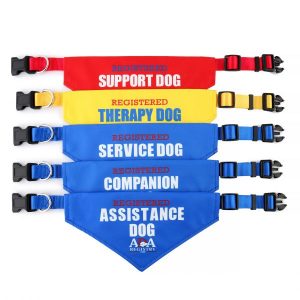
Service Dog Bandana
$39.95 Learn more This product has multiple variants. The options may be chosen on the product page
Custom ID Cards

Custom ID Cards
All States

Canada Cards

Custom Service Dog Tags

Official Dog Vests

Smart Vests
Official Public Access Kits
Complete Kits
USA & CANADA Letters
High Quality Bandanas
Service Dog Tags
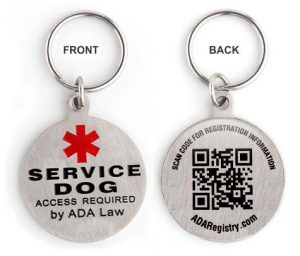
Smart Tags

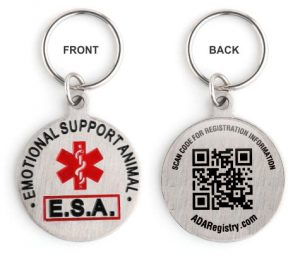
ESA TAGS