Chow Chow as a Service Dog
Register Any Breed
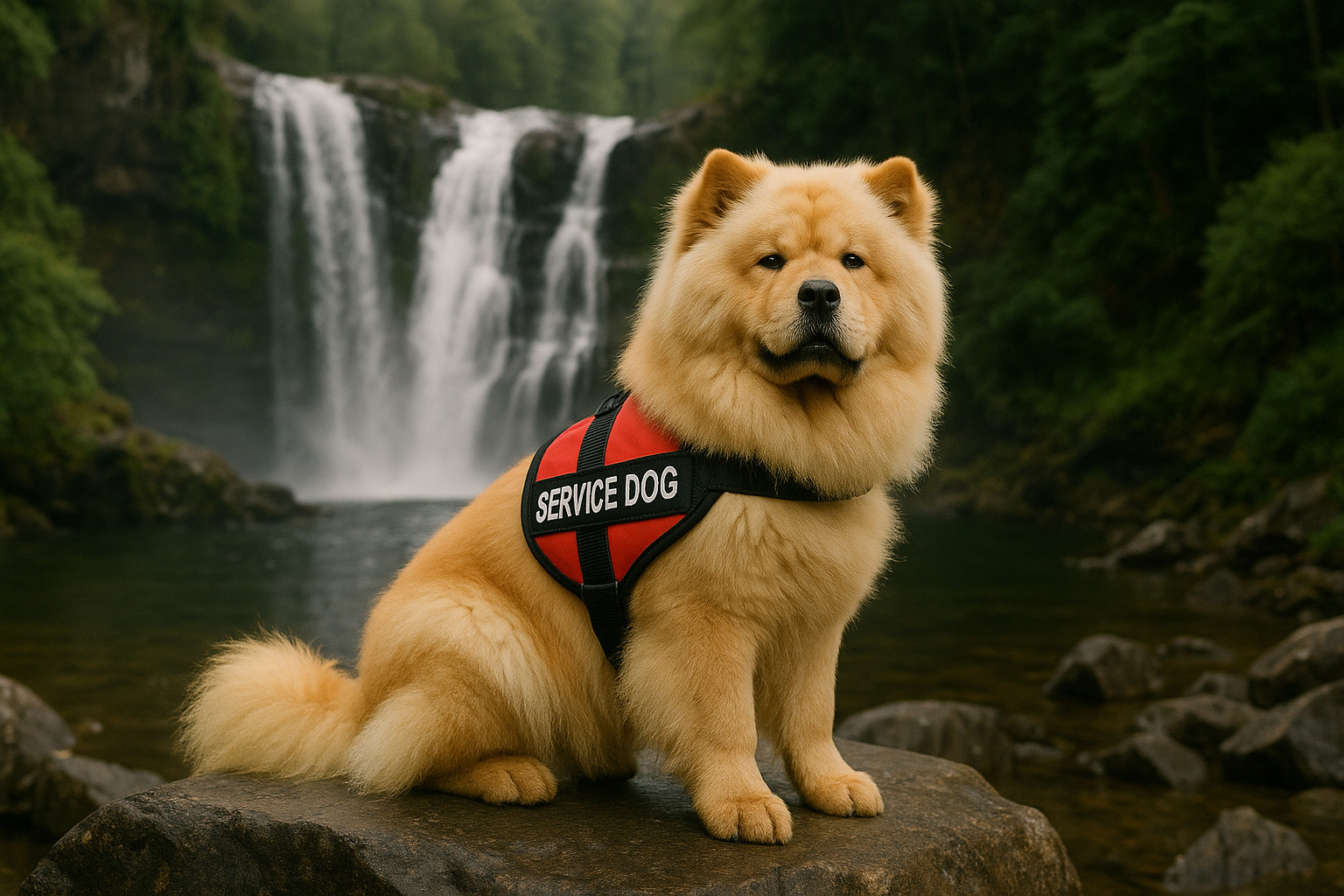
The realm of service dogs is diverse, with various breeds serving specialized roles that cater to the unique needs of individuals. Among these potential service dogs, the Chow Chow stands out with its distinct appearance and personality. This article examines the Chow Chow breed's suitability for service work, considering their physical characteristics, temperament, health, training requirements, and overall suitability for different types of service work.
Chow Chow Overview
The Chow Chow, known for its lion-like mane and aloof demeanor, is an ancient breed with origins tracing back to China. Historically regarded as a hunting and guard dog, they have an inherent dignity and independence that sets them apart from other service dog breeds.
Physical Characteristics
Chow Chows are medium-sized dogs, typically weighing between 45 to 70 pounds and standing about 17 to 20 inches tall at the shoulder. They possess a sturdy and compact build, which might be advantageous in scenarios requiring moderate strength and endurance.
- Physical Attributes:
- Sturdy build and moderate strength
- Thick double coat, often requiring regular grooming
- Average lifespan: 9 to 15 years
While their sturdy build is beneficial in some service roles, their thick double coat can be both an asset and a challenge. They need regular grooming, and in warmer climates, their dense fur can cause overheating, potentially limiting their operational capabilities in certain environments.
Temperament and Attitude
The Chow Chow is characterized by its aloof yet loyal nature. They are often reserved around strangers but form deep bonds with their family members. This breed requires socialization from an early age to comfortably manage different social settings typical of service work.
- Behavior Traits:
- Loyal and protective
- Independent and can be stubborn
- Requires early socialization and consistent training
Their protective instincts make them naturally vigilant, which can be advantageous in some service roles. However, their independence and occasional stubbornness may pose training challenges, particularly when obedience and responsiveness are paramount.
Types of Service Work
Chow Chows can serve in various capacities, although their suitability varies based on their inherent traits.
Register Any Breed
- Mobility Assistance: Due to their sturdy nature, they can aid individuals with specific mobility requirements, albeit not as efficiently as larger breeds like Labradors or Golden Retrievers.
- Emotional Support Animal (ESA): Their loyal nature enables them to serve as ESAs, providing emotional comfort and companionship.
- Guard and Alert Roles: Their natural vigilance and protective instincts make them suitable for roles requiring alertness, although this is more aligned with personal protection than traditional service roles.
Despite these potentials, Chow Chows typically aren't ideal for rigorous service tasks requiring high energy, prolonged focus, or specific task-oriented training, as they may lack the flexibility and eagerness that breeds like the Labrador Retriever exhibit.
Health Considerations
Chow Chows are predisposed to several health issues, which could impact their ability to fulfill certain service roles.
- Common Health Issues:
- Hip and elbow dysplasia, affecting mobility
- Entropion, a condition concerning the eyes
- Skin issues due to their thick coat
These health problems, particularly those affecting mobility and vision, could significantly impact their performance and reliability as service dogs, especially in tasks requiring physical endurance or keen vision.
Training and Suitability
Training a Chow Chow as a service dog requires patience, consistency, and a thorough understanding of canine behavior. While they are intelligent, their independent nature may lead to selective obedience.
- Training Challenges:
- Stubbornness and independence require persistent training
- Best trained using positive reinforcement methods
- Socialization is critical to manage aloofness
Their intelligence should not be mistaken for trainability in the context of service work. Unlike breeds renowned for their eagerness to please, Chow Chows need an experienced handler who can provide structured and consistent training to manage their independent streak effectively.
Summary of Chow Chow
In summarizing the Chow Chow's potential as a service dog, it's evident they possess both strengths and limitations.
- Strengths:
- Loyal and protective nature
- Suitable for emotional support roles
- Provide a sense of security due to their vigilant nature
- Weaknesses:
- Independent and potentially stubborn
- Health concerns affecting mobility and sight
- Thick coat requires regular grooming and can lead to overheating
- Ideal Roles:
- Primarily suited for emotional support
- May assist in mobility with limitations
- Excel in alert and guard roles, though not typical service roles
In conclusion, while the Chow Chow may not be the first choice for traditional service dog roles, they hold potential in specific domains, particularly where loyalty and protective instincts are prized. Their unique characteristics require a careful and considered approach to training, alongside an awareness of their health and grooming needs.


-
Public Access Kits
$149.00 Learn more This product has multiple variants. The options may be chosen on the product page -
Quick Ship Premium Vests
$48.00 – $82.00 Learn more This product has multiple variants. The options may be chosen on the product page -
Service Dog Bandana
$39.95 Learn more This product has multiple variants. The options may be chosen on the product page
Custom ID Cards

Custom ID Cards
All States
Canada Cards
Custom Service Dog Tags
Official Dog Vests
Smart Vests
Official Public Access Kits
Complete Kits
USA & CANADA Letters
High Quality Bandanas
Service Dog Tags
Smart Tags

ESA TAGS