Chow Chow as a Therapy Dog
Register Any Breed
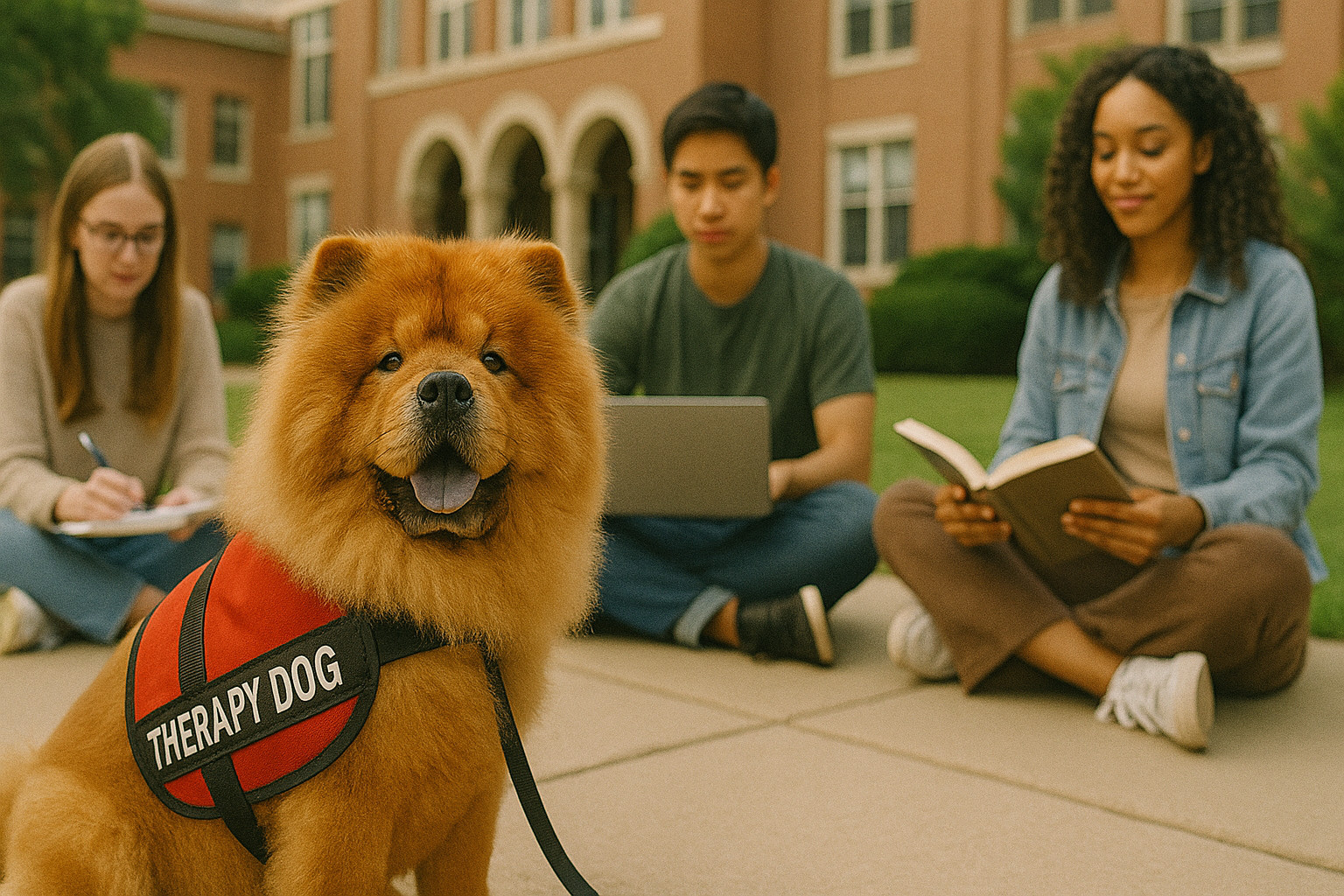
Chow Chow as a Therapy Dog Overview
The Chow Chow, with its distinctive lion-like mane and dignified demeanor, is not traditionally seen as a therapy dog, yet it possesses numerous qualities that can contribute significantly to therapeutic settings. While its ancient origins trace back to Northern China, where it was utilized as a working dog, modern-day Chows have transitioned into more companionable roles. This article explores how a Chow Chow can function as an effective therapy dog, leveraging its unique temperament and behavior.
Understanding the Therapy Dog Role
Therapy dogs are distinguished from service dogs and working dogs by their role: providing comfort, emotional support, and therapeutic benefits to individuals in various environments. Therapy dogs must navigate different social and emotional landscapes, offering empathy and understanding to those in need. The overall calmness, adaptability, and gentle interaction capability are critical for success in this role.
Physical Appearance and Energy Level
The Chow Chow is a sturdy, medium-sized dog known for its plush double coat and deeply set eyes. Although their appearance can be imposing, their physical demeanor contributes to a calming and reassuring presence in therapeutic settings. Here’s how their physical traits play a role:
- Coat and Comfort: Their thick coat is comforting to touch, providing a tactile therapy element that can help individuals who benefit from sensory engagement.
- Energy and Activity: Chows have a laid-back energy level, which means they are not as hyperactive as other breeds. This sedateness is beneficial in environments that require tranquility and calmness.
Personality and Emotional Intelligence
The Chow Chow's personality is characterized by its independence, regal bearing, and loyalty. While these traits may not immediately suggest a successful therapy dog, when trained appropriately, they can exhibit remarkable emotional intelligence. Key personality aspects include:
- Empathy and Understanding: Despite their aloof nature, Chows are astute observers of human behavior and can react sympathetically to emotional expressions.
- Calmness Under Pressure: Their inherent stoic nature allows them to remain unflappable in tense or crowded environments, a desirable trait for therapeutic work.
Environments Where Chow Chow Excels
The Chow Chow can thrive in environments that align with its calm and observational nature. These include:
- Hospitals and Rehabilitation Centers: The soothing presence of a Chow Chow can provide stress relief to patients and their families.
- Elderly Care Facilities: Their gentle interaction can uplift spirits and offer companionship to older adults with a penchant for calm, steady interactions.
Common Therapy Settings
Chow Chows can adapt to various therapy settings, provided they are introduced appropriately and acclimatized over time. Common settings include:
- Educational Programs: In schools, Chows can engage with children to improve learning experiences, particularly for those with special needs.
- Mental Health Facilities: Their calming presence and the routine of interacting with them can offer therapeutic benefits for individuals with anxiety or stress-related disorders.
Interactions with Different Populations
Chow Chows are versatile in their interactions, but their suitability may vary depending on specific demographic needs:
Register Any Breed
- Children: While generally gentle, Chows require careful supervision to ensure interactions are safe and beneficial.
- Adults: Known for their loyalty, Chows can form strong connections with adults, providing emotional support and companionship.
Health and Wellness Factors
Understanding the health and wellness requirements of a Chow Chow is crucial for its effective role as a therapy dog. These factors include:
- Diet and Exercise: To maintain their health and prevent obesity, a balanced diet and regular low-intensity exercise are required.
- Grooming Needs: Due to their thick coat, regular grooming is essential to keep them comfortable and prevent dermatological issues that could impede their therapy work.
Lifespan and Common Health Issues
Chow Chows usually have a lifespan of around 8 to 12 years, with potential health issues such as hip dysplasia and entropion affecting their quality of life:
- Preventative Care: Regular vet check-ups and proactive management of dietary and exercise routines can enhance their longevity and effectiveness as therapy dogs.
- Health Monitoring: Close monitoring is essential to ensuring they remain healthy and fit for interactions in therapy settings.
Maintenance and Care Needs
The Chow Chow’s grooming and health care needs are substantial and cannot be overlooked if they are to perform effectively in therapy roles:
- Consistent Grooming: To maintain their therapeutic appeal, their coat needs regular brushing to keep it free of mats and tangles.
- Routine Health Check-ups: Regular visits to the vet can help in detecting potential issues before they affect the Chow's ability to perform therapy duties.
Training and Certification Readiness
While training a Chow Chow for therapy work can be challenging due to their independent nature, it is not impossible. Effective strategies include:
- Positive Reinforcement: This training method is key to encouraging desired behaviors in the often stubborn Chow.
- Therapy-Specific Training: Enrolling in specialized therapy dog courses enhances their responsiveness and prepares them for certification.
Learning Style and Responsiveness
Chow Chows require tailored training approaches that respect their individuality and dignity:
- Consistency and Patience: They respond well to consistent training sessions that account for repetitive behavior reinforcement.
- Sensitivity to Commands: Chows may take longer to respond, necessitating patient handlers who can communicate effectively and calmly.
Handling Social and Emotional Stimuli
Therapy work requires dogs to manage social and emotional stimuli effectively. Chow Chows display:
- Slow Warm-Up to Socialization: They can initially be reserved, requiring gradual exposure to socialize effectively.
- Adaptive Capacity: Over time, with proper exposure, Chows can acclimate to different emotional environments and demonstrate empathy through presence.
Strengths, Limitations, and Ideal Roles for Chow Chow
Understanding the strengths and limitations of the Chow Chow is essential for ensuring they are placed in the most suitable therapy roles:
- Strengths: Loyalty, calming presence, and resilience in stable environments make them effective in long-term care and rehabilitation settings.
- Limitations: Their independent nature may limit their effectiveness in fast-paced or highly emotionally demanding scenarios.
Final Thoughts
While the Chow Chow may not be the first breed that comes to mind when considering therapy dogs, their unique blend of calmness, loyalty, and regal presence can make them significantly beneficial in certain therapeutic contexts. Understanding and accommodating their specific needs and characteristics can harness their potential for comfort and companionship.
Key Takeaways for the Chow Chow as a Therapy Dog
- Best suited for: Calm and stable environments like elderly care facilities and rehabilitation centers.
- Not ideal for: Fast-paced, highly stimulating therapy situations or environments with unpredictable interactions.
- Temperament highlights: Independent yet loyal, capable of providing calming presence.
- Care and health notes: Regular grooming and health checks are essential due to potential health issues.
- Therapy environments where they shine: Hospitals, mental health facilities, and educational programs with structured interaction opportunities.
The Chow Chow, when trained and managed thoughtfully, can be an excellent therapy companion, offering comfort and peace to those who need it most.


-
Public Access Kits
$149.00 Learn more This product has multiple variants. The options may be chosen on the product page -
Quick Ship Premium Vests
$48.00 – $82.00 Learn more This product has multiple variants. The options may be chosen on the product page -
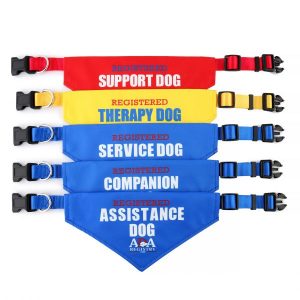
Service Dog Bandana
$39.95 Learn more This product has multiple variants. The options may be chosen on the product page
Custom ID Cards

Custom ID Cards
All States
Canada Cards
Custom Service Dog Tags
Official Dog Vests
Smart Vests
Official Public Access Kits
Complete Kits
USA & CANADA Letters
High Quality Bandanas
Service Dog Tags
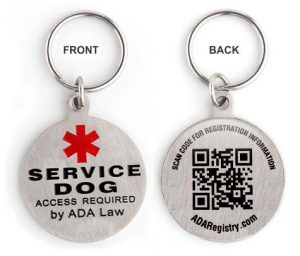
Smart Tags

ESA TAGS