Clumber Spaniel as a Therapy Dog
Register Any Breed
Clumber Spaniel as a Therapy Dog Overview
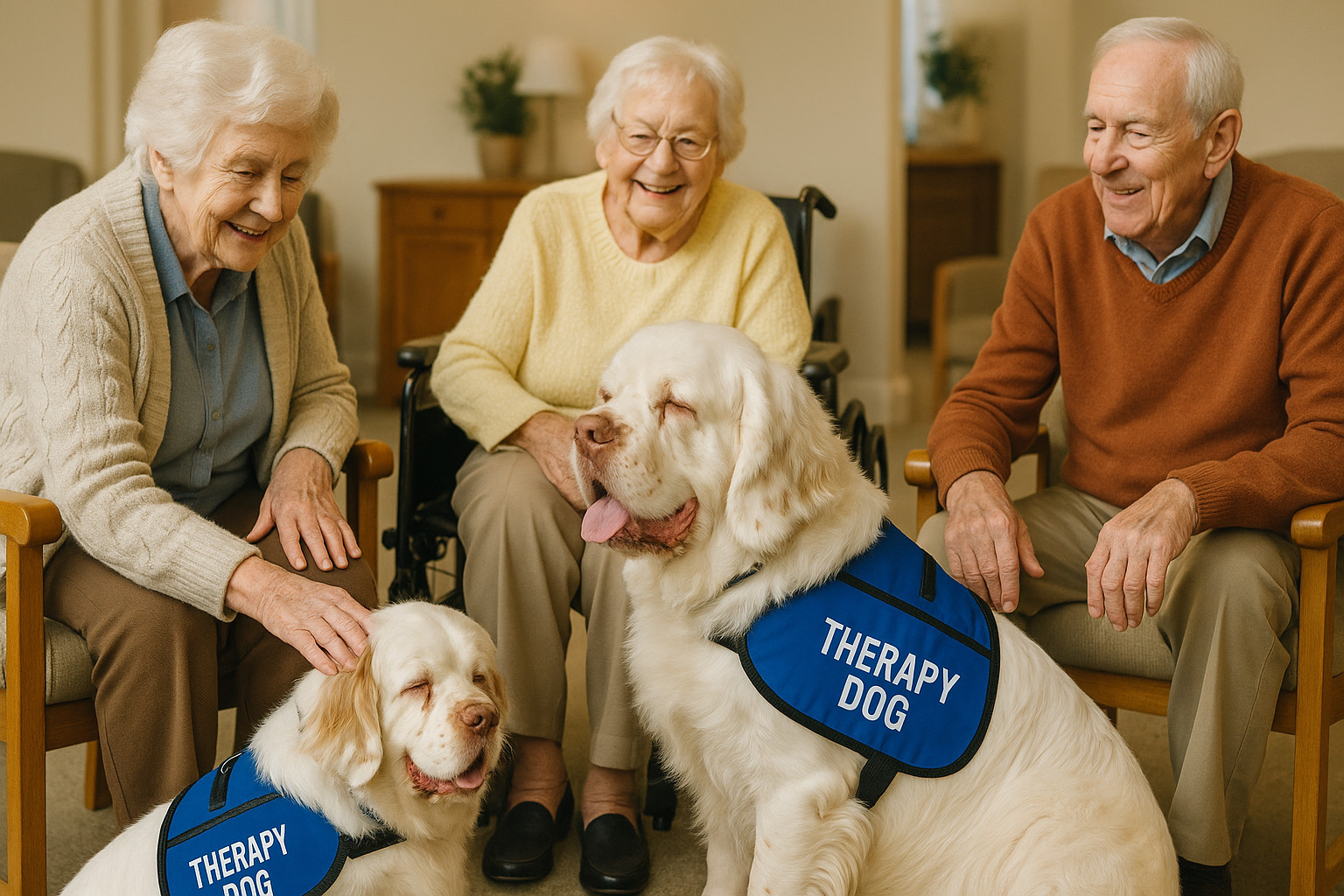
The Clumber Spaniel is often lauded not only for its distinctive charm and physical attributes but also for its remarkable capability to serve as a therapy dog. As one of the less common breeds in the realm of therapy work, Clumber Spaniels bring a unique set of qualities that make them excellent companions in therapeutic environments. This article explores the multifaceted role of Clumber Spaniels in therapy work, providing comprehensive insights for trainers, healthcare professionals, and anyone interested in animal-assisted therapy.
Understanding the Therapy Dog Role
Therapy dogs play a vital role in providing comfort and emotional support across various settings, from hospitals to schools. Their primary obligation is to maintain a calming presence, foster emotional connections, and promote healing. The success of therapy dogs hinges on their temperament, ability to form strong human-animal bonds, and adeptness in navigating diverse environments. The Clumber Spaniel, with its friendly demeanor and profound empathy, fits seamlessly into this definition.
Physical Appearance and Energy Level
The Clumber Spaniel is a robust, medium-to-large breed known for its solid build and gentle appearance. They possess a distinctive look with a broad head, deep chest, and thick, soft fur which is often pure white with occasional orange or lemon markings. Their size makes them less intimidating to individuals new to therapy dogs, ensuring a non-threatening presence in clinical environments. Their moderate energy levels balance perfectly with the demands of therapy work, allowing them to remain calm and relaxed in sessions without becoming overly excitable.
Personality and Emotional Intelligence
The Clumber Spaniel is renowned for its calm, even-tempered personality. Possessing high emotional intelligence, these dogs are intuitively aware of human emotions, which allows them to provide tailored comfort and reassurance. They have a natural disposition toward empathy and patience, essential traits for therapy dogs. Their quiet demeanor allows them to adapt easily to various emotional climates, from lighthearted play with young children to providing solace to individuals experiencing grief or stress.
Environments Where Clumber Spaniel Excels
Due to their adaptable nature, Clumber Spaniels are well-suited for numerous therapeutic settings. Their gentle and friendly temperament makes them ideal for quiet environments where close interactions with humans are necessary. They thrive in:
- Hospitals: Providing comfort to patients in recovery.
- Rehabilitation Centers: Assisting in physical and emotional recovery.
- Nursing Homes: Offering companionship to the elderly.
- Schools and Libraries: Supporting literacy programs and calming anxious students.
Common Therapy Settings
In hospitals and rehabilitation centers, Clumber Spaniels excel due to their calm disposition. They are often placed in patient rooms or therapy sessions to alleviate stress and promote a healing atmosphere. Clumber Spaniels are also effective in educational settings, where their patience supports activities such as reading programs aimed at encouraging children to read aloud without judgment.
Interactions with Different Populations
Clumber Spaniels possess an innate ability to adjust interactions based on individual needs. Their calm presence is particularly effective for elderly populations, offering consistent companionship and alleviating loneliness. For children, the Clumber Spaniel provides a reassuring comfort, fostering confidence and reducing anxiety. Furthermore, they extend emotional stability to individuals coping with mental health challenges, acting as nonjudgmental listeners and emotional anchors.
Register Any Breed
Health and Wellness Factors
For therapy dogs, maintaining optimal health is pivotal. The Clumber Spaniel typically enjoys a robust constitution but can be prone to certain breed-specific health issues such as hip dysplasia and entropion. Routine vet care, a balanced diet, and regular exercise are crucial to ensure they maintain the health and energy levels required for successful therapy work. Additionally, their thick coat requires regular grooming to prevent matting and ensure cleanliness, especially important when interacting with immunocompromised individuals.
Lifespan and Common Health Issues
Clumber Spaniels generally have a lifespan of 10 to 12 years. While generally healthy, awareness and proactive management of health concerns such as eye disorders, hypothyroidism, and cardiovascular conditions are essential. Regular veterinary check-ups and a disciplined approach to health management enhance the therapy dog’s capacity to work effectively throughout its life.
Maintenance and Care Needs
The Clumber Spaniel's care routine includes regular grooming sessions to manage shedding and avoid skin issues. Their coat must be cleaned and brushed routinely, especially after therapy sessions in clinical settings. Regular ear examinations and cleaning help prevent infections, which are common given their floppy ears. Structured exercising routines also contribute to their physical wellness, ensuring they remain agile and responsive during therapy sessions.
Training and Certification Readiness
The Clumber Spaniel is highly trainable, making them well-suited for therapy dog certification programs. They respond well to positive reinforcement training techniques, dramatically enhancing their ability to adapt to therapy roles. Their inherent eagerness to please their handlers facilitates a smooth training process, essential for earning therapy dog certifications from recognized organizations.
Learning Style and Responsiveness
This breed's intelligence and sensitivity create a propensity for learning and responding to commands efficiently. Their learning style benefits from repetitive and reward-based training sessions, which reinforce positive behaviors without stressing the dog. Their responsiveness makes them versatile in understanding both verbal cues and body language, key for adaptive interactions in therapy roles.
Handling Social and Emotional Stimuli
Clumber Spaniels are adept at handling varied social and emotional stimuli due to their composed nature. In social settings, they exhibit grace and politeness, ensuring gentle interactions with diverse groups, including children and the elderly. Their emotional intelligence allows them to discern the emotional state of individuals, tailoring their approach to offer specific forms of comfort and assurance.
Strengths, Limitations, and Ideal Roles for Clumber Spaniel
The Clumber Spaniel’s principal strength lies in its tranquil temperament and empathetic nature. Their limitations could include sensitivity to hot climates due to their thick coats and a potential lack of agility compared to smaller breeds. Nevertheless, their ideal roles are situated in environments where emotional support and companionship are paramount, such as rehabilitation and elder care facilities.
Final Thoughts
In summary, the Clumber Spaniel stands out as a strong candidate for therapy work, largely due to its empathetic nature, calm presence, and adaptability to various therapeutic environments. By understanding their characteristics and needs, trainers and professionals can harness the full potential of Clumber Spaniels, enriching the lives of those they serve.
Key Takeaways for the Clumber Spaniel as a Therapy Dog
- Best suited for: Hospitals, nursing homes, rehabilitation centers, educational settings.
- Not ideal for: High-energy, outdoor environments requiring intense physical activity.
- Temperament highlights: Calm, empathetic, patient, adaptable to emotional stimuli.
- Care and health notes: Requires regular grooming and health check-ups; watch for specific breed health issues.
- Therapy environments where they shine: Patient recovery and therapy sessions, elder companionship, and supportive educational programs.
This article should guide therapy dog trainers and healthcare professionals in assessing and integrating Clumber Spaniels into therapy roles, capitalizing on their unique strengths for effective animal-assisted therapy programs.


-
Public Access Kits
$149.00 Learn more This product has multiple variants. The options may be chosen on the product page -
Quick Ship Premium Vests
$48.00 – $82.00 Learn more This product has multiple variants. The options may be chosen on the product page -
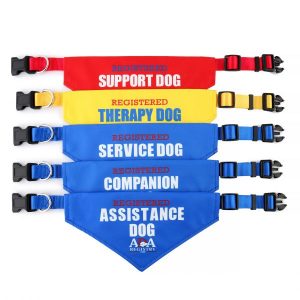
Service Dog Bandana
$39.95 Learn more This product has multiple variants. The options may be chosen on the product page
Custom ID Cards

Custom ID Cards
All States

Canada Cards

Custom Service Dog Tags
Official Dog Vests

Smart Vests
Official Public Access Kits
Complete Kits
USA & CANADA Letters

High Quality Bandanas
Service Dog Tags
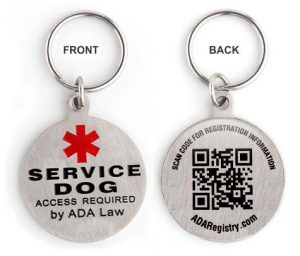
Smart Tags

ESA TAGS