Cocker Spaniel as a Service Dog
Register Any Breed
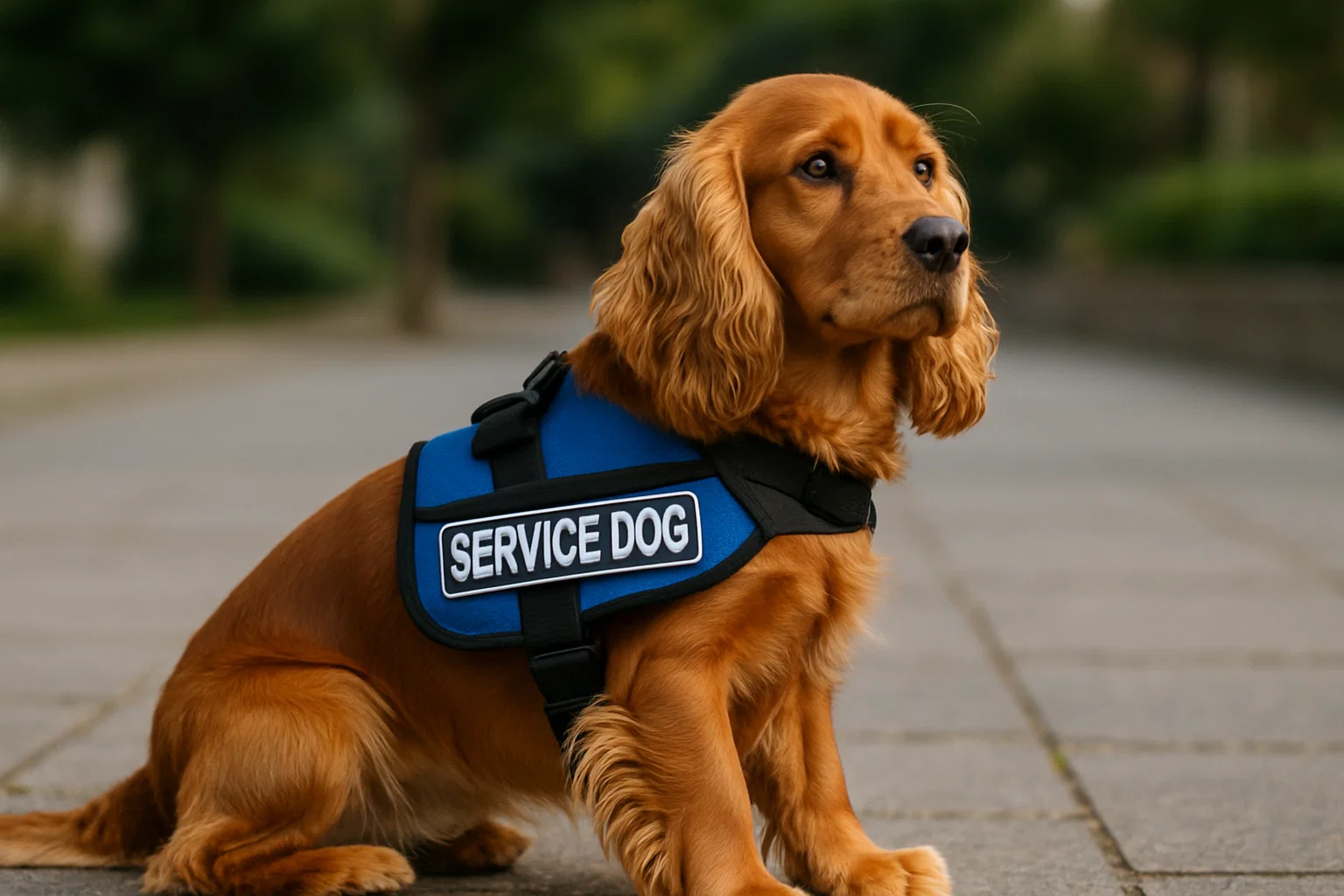
Service dogs play an invaluable role in assisting individuals with disabilities, offering support in various tasks that enhance quality of life and enable greater independence. The Cocker Spaniel, with its friendly demeanor and keen intelligence, is one of several breeds that can potentially excel as service dogs. This article provides an in-depth analysis of the Cocker Spaniel’s suitability as a service dog, considering their physical attributes, temperament, types of service tasks they may undertake, health considerations, and training suitability.
Cocker Spaniel Overview
Physical Characteristics
The Cocker Spaniel is a medium-sized dog, typically weighing between 20 to 30 pounds and standing about 14 to 15 inches tall at the shoulder. Their compact size can be both an advantage and a limitation in their roles as service dogs.
- Advantages:
- The smaller size of a Cocker Spaniel makes them a perfect fit for individuals requiring a service dog with less imposing physical presence.
- Their size allows them to comfortably fit in a variety of living situations, from small apartments to larger homes.
- Limitations:
- Their strength may not be sufficient for tasks requiring substantial physical force, such as pulling a wheelchair or heavy item retrieval.
- Nonetheless, their agility and energy levels are beneficial for a range of service tasks.
Temperament and Attitude
Cocker Spaniels are known for their cheerful and gentle disposition. These dogs are highly sociable and enjoy forming strong bonds with their owners, making them suited for companionship roles in service work.
- Temperament Strengths:
- Cocker Spaniels are generally affectionate and friendly, making them excellent companions in and out of the home.
- Their alert and curious nature enables them to quickly notice changes in their environment, which is advantageous for alert-based service tasks.
- Behavior in Public:
- They tend to be well-behaved in public settings if properly socialized, able to maintain focus amidst distractions.
- However, their friendliness can sometimes make them overly sociable; thus, rigorous training is necessary to ensure they maintain an appropriate level of focus on their handler.
Types of Service Work
The suitability of a Cocker Spaniel for service work largely depends on the specific demands of the task. While they are versatile, certain roles align more closely with their abilities:
- Best Suited Service Roles:
- Medical Alert: With their acute sense of smell, Cocker Spaniels can be trained to detect changes in human physiology, making them excellent diabetic or seizure alert dogs.
- Emotional Support: Their gentle and affectionate nature makes them ideal for providing emotional support, giving comfort to individuals with anxiety or PTSD.
- Therapy Work: They are often seen in therapy roles due to their ability to connect with people emotionally.
- Limitations in Service Roles:
- Mobility Support: Due to their smaller stature, Cocker Spaniels may struggle with physically demanding tasks that require substantial strength, such as mobility support for heavier individuals.
Health Considerations
While Cocker Spaniels can be excellent service dogs, potential health issues may impact their service life. Common health concerns in the breed include:
- Ear Infections: Due to their long, floppy ears, Cocker Spaniels are prone to ear infections, which can affect their ability to work consistently.
- Eye Issues: Conditions such as cataracts and glaucoma are prevalent, potentially affecting their sight-sensitive service tasks.
- Hip Dysplasia: Although less common in smaller breeds, hip dysplasia can occur, affecting their ability to perform physical tasks.
- Allergies: Skin allergies can also lead to discomfort that might distract them from their duties.
Training and Suitability
Cocker Spaniels are intelligent and eager to please, which facilitates training. However, their curious nature requires consistent and patient guidance.
- Training Advantages:
- Their high level of trainability allows them to learn a variety of tasks quickly.
- Positive reinforcement techniques work well, given their desire to satisfy their handler.
- Training Challenges:
- Due to their sociable nature, they may require additional training to manage external distractions in busy environments.
- They benefit from early socialization to ensure the development of well-rounded behavior in diverse settings.
Summary of Cocker Spaniel
In summary, Cocker Spaniels can make great service dogs under the right circumstances. Their strengths lie in their temperament, trainability, and suitability for specific types of service work, like medical alert and emotional support. However, they may be limited by their physical attributes and certain health issues.
Register Any Breed
Key Strengths:
- Friendly and sociable temperament
- High trainability and intelligence
- Size suitable for diverse living environments
- Excellent for emotional support and medical alert roles
Key Weaknesses:
- Susceptible to ear infections and other health issues
- May be too sociable for focus-intensive tasks
- Limited strength for mobility support roles
Ideal Service Roles:
- Medical Alert
- Emotional Support
- Therapy Work
The Cocker Spaniel is a versatile choice for service work, provided their health is maintained and their training is tailored to their strengths and weaknesses. They thrive with attentive handling and proper guidance, offering invaluable companionship and support to those in need.


-
Public Access Kits
$149.00 Learn more This product has multiple variants. The options may be chosen on the product page -
Quick Ship Premium Vests
$48.00 – $82.00 Learn more This product has multiple variants. The options may be chosen on the product page -
Service Dog Bandana
$39.95 Learn more This product has multiple variants. The options may be chosen on the product page
Custom ID Cards

Custom ID Cards
All States
Canada Cards
Custom Service Dog Tags
Official Dog Vests

Smart Vests
Official Public Access Kits
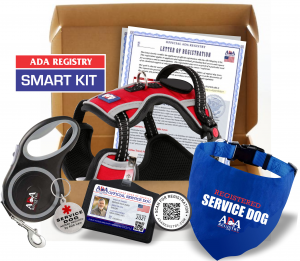
Complete Kits
USA & CANADA Letters
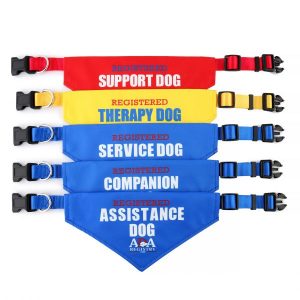
High Quality Bandanas
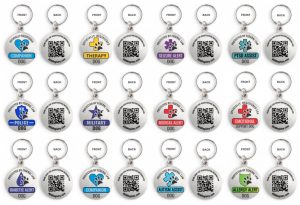
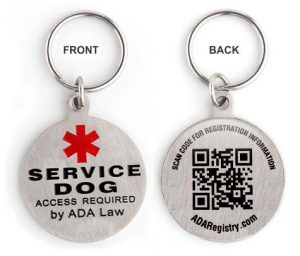
Service Dog Tags
Smart Tags

ESA TAGS