Curly-Coated Retriever as a Service Dog
Register Any Breed
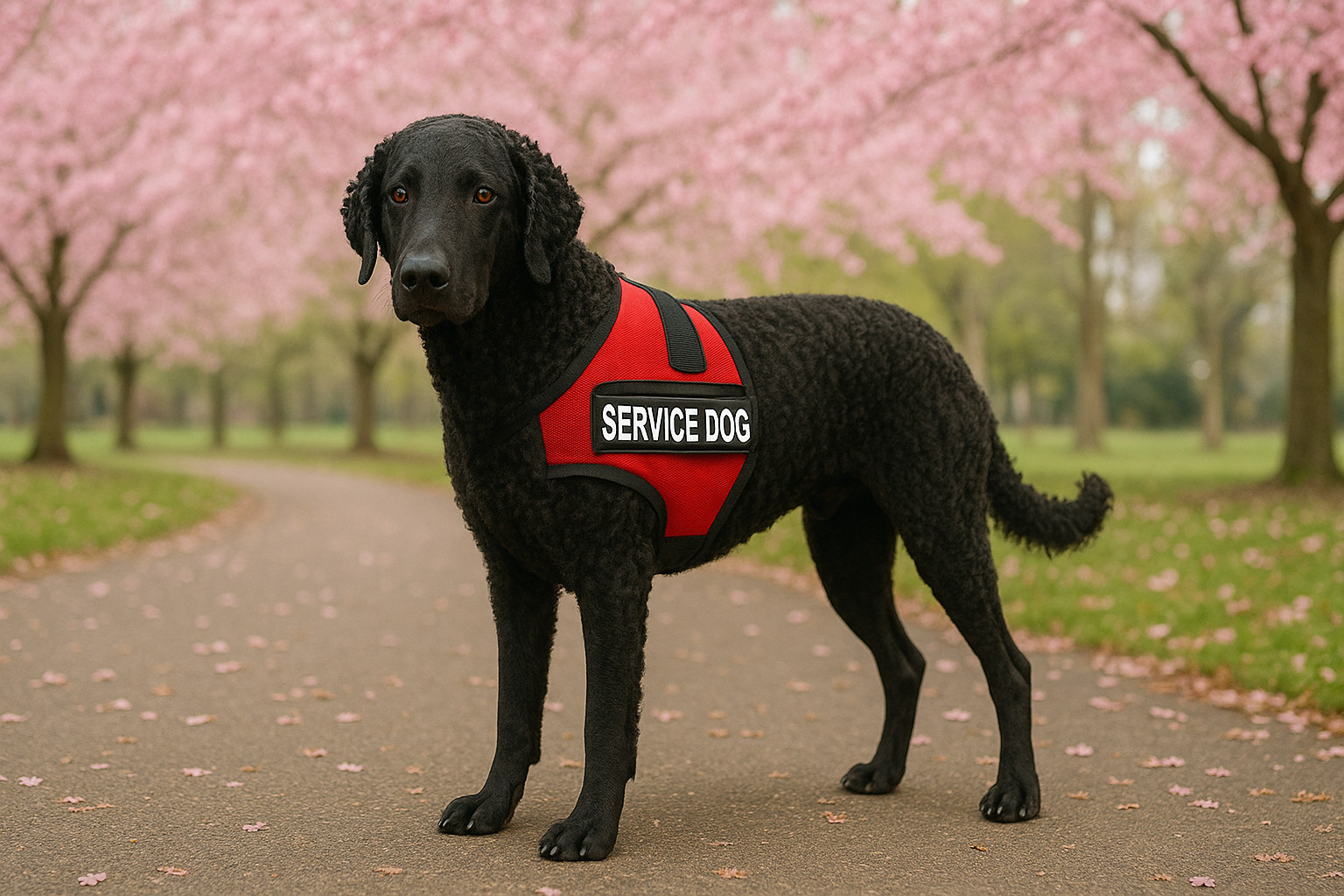
Service dogs play a crucial role in supporting people with various disabilities, offering assistance, enhancing independence, and improving quality of life. Among the array of breeds utilized for such purposes, the Curly-Coated Retriever stands out for their unique attributes and capabilities. This article delves into the suitability of the Curly-Coated Retriever as a service dog, exploring their physical characteristics, temperament, potential service roles, health considerations, and training needs.
Curly-Coated Retriever Overview
The Curly-Coated Retriever, often dubbed the "Curly," is one of the oldest retriever breeds. This dog is recognized for its distinctively curly coat, intelligence, and enthusiastic demeanor. Originally bred in England for retrieving game from water and land, these dogs have transitioned impressively into modern working roles, including service work. Understanding the Curly-Coated Retriever starts with appreciating their physical and behavioral traits.
Physical Characteristics
The Curly-Coated Retriever is a robust and agile dog with a unique appearance. Standing between 23 to 27 inches at the shoulder and weighing 60 to 95 pounds, they are well-proportioned and strong. Their most distinguishing feature is their dense, tight curls that cover the body, providing protection against harsh weather conditions.
- Coat: The water-resistant curls are both functional and aesthetic, offering protection and easy maintenance with minimal shedding.
- Size and Build: Their muscular build and athleticism enable them to perform physically demanding tasks, an asset for various service roles requiring strength and endurance.
- Energy Level: The breed boasts high energy levels, suitable for active service duties but requiring adequate exercise to prevent restlessness and potential behavioral issues.
These physical attributes make them particularly effective for service tasks requiring stamina and adaptiveness, whether that be guiding, mobility support, or retrieval tasks.
Temperament and Attitude
Curly-Coated Retrievers are known for their intelligent, independent nature combined with an affectionate and gentle disposition. These dogs typically possess a steady and calm demeanor, crucial for maintaining composure in public or high-stress environments.
- Intelligence and Problem-Solving: Their high intelligence facilitates learning and adaptation, making them skilled problem solvers capable of performing complex tasks.
- Independence: While independent thinking can sometimes lead to assertiveness, it also enables these retrievers to make decisions in dynamic service environments.
- Affection and Socialization: Known for their loyalty and strong bonds with handlers, their social nature requires consistent interaction and engagement.
- Resilience: Curly-Coats are generally confident dogs, displaying resilience in the face of challenges and an eagerness to work.
These temperament traits contribute significantly to their effectiveness in service work, particularly in roles that demand consistency, reliability, and intelligence.
Types of Service Work
Curly-Coated Retrievers can excel in several types of service work, thanks to their physical capabilities and adaptive temperaments. The following service roles align well with their attributes:
Register Any Breed
- Mobility Assistance: Their strength and size make them suitable for pulling wheelchairs, opening doors, and providing dynamic stability support.
- Retrieval Tasks: With their background as retrievers, they can efficiently pick up and deliver items, making them invaluable for individuals with limited mobility.
- Medical Alert Services: Their sensory acuity aids them in detecting and alerting handlers to medical conditions such as seizures or changes in blood sugar levels.
- Psychiatric and Emotional Support: While not traditionally used in these roles, their affectionate nature could offer emotional support and companionship.
Their versatility allows them to thrive in various service capacities, although they might not always be the first choice for roles that prioritize obedience over independence.
Health Considerations
Like many purebreds, Curly-Coated Retrievers are susceptible to specific health issues that may impact their effectiveness as service dogs. Key considerations include:
- Hip Dysplasia: A common concern, it can affect their ability to perform physically demanding tasks. Regular vet check-ups are essential for early diagnosis and management.
- Gastric Torsion: Also known as bloat, this is a life-threatening condition requiring immediate attention.
- Eye Conditions: Early screening for conditions such as cataracts or progressive retinal atrophy (PRA) will help maintain their functioning.
- Cancer: The breed can be prone to certain types of cancers, requiring vigilance and preventive care.
Understanding and managing these health risks are vital for maintaining their well-being and service performance over time.
Training and Suitability
Training a Curly-Coated Retriever as a service dog involves leveraging their intelligence while managing their independent nature. It requires a training regimen that combines positive reinforcement with diversified challenges to maintain their interest and engagement.
- Trainability: Although intelligent and quick learners, Curly-Coated Retrievers can display a strong-willed character, occasionally testing boundaries.
- Engagement: Consistent, varied training exercises keep them mentally stimulated, preventing boredom.
- Socialization: Early and ongoing socialization is key to ensuring they adapt confidently and graciously to varied environments and public settings.
- Patience and Persistence: Trainers must employ patience and creativity, capitalizing on the breed's desire to work and please, while reinforcing learned commands.
Their combination of intelligence, drive, and independence requires a nuanced training approach but can yield exceptional service companions when executed properly.
Summary of Curly-Coated Retriever
The Curly-Coated Retriever's capabilities as a service dog are numerous, influenced by their unique physical and behavioral attributes. While they require significant training investment and careful health management, they can fulfill several demanding service roles with distinction.
- Strengths:
- Excellent physical capabilities for mobility and retrieval tasks
- High intelligence and problem-solving skills
- Strong, loyal bonds with handlers
- Weaknesses:
- Requires extensive exercise to manage high energy levels
- Can exhibit independent behavior challenging to manage in all service contexts
- Needs regular health screenings for breed-specific conditions
Ideal Service Roles:
- Mobility Assistance
- Medical Alert Services
- Limited roles in Psychiatric and Emotional Support due to their affectionate nature
By comprehensively understanding their strengths and limits, handlers can maximize the breed's potential in service roles, crafting a symbiotic relationship that benefits both the dog and handler significantly.


-
Public Access Kits
$149.00 Learn more This product has multiple variants. The options may be chosen on the product page -
Quick Ship Premium Vests
$48.00 – $82.00 Learn more This product has multiple variants. The options may be chosen on the product page -
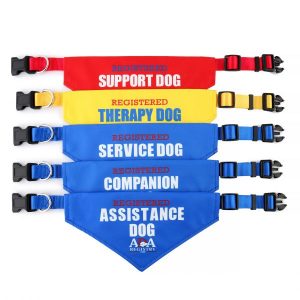
Service Dog Bandana
$39.95 Learn more This product has multiple variants. The options may be chosen on the product page
Custom ID Cards

Custom ID Cards
All States
Canada Cards
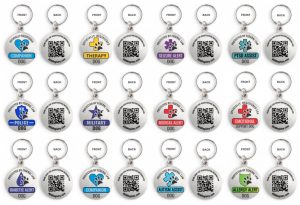
Custom Service Dog Tags
Official Dog Vests

Smart Vests
Official Public Access Kits
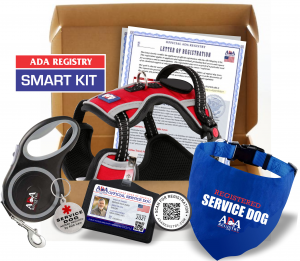
Complete Kits
USA & CANADA Letters
High Quality Bandanas
Service Dog Tags
Smart Tags

ESA TAGS