Curly-Coated Retriever as a Therapy Dog
Register Any Breed
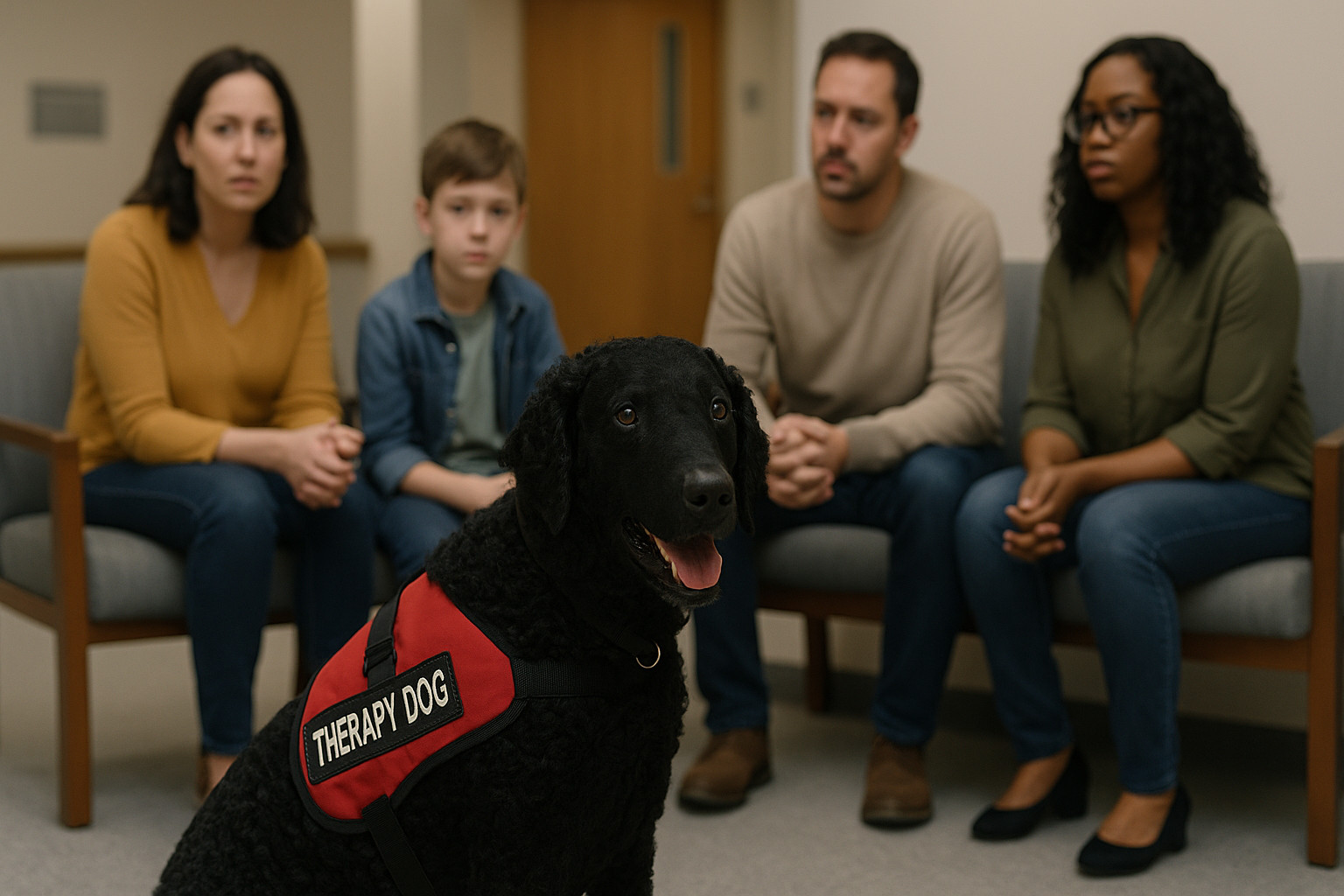
Therapy dogs play a vital role in providing comfort, emotional support, and joy to individuals experiencing stress, trauma, or health challenges. The Curly-Coated Retriever, with its unique blend of intelligence, empathy, and adaptability, is an exceptional candidate for therapy work. This article explores the potential of this breed as a therapy dog, delving into their temperament, behavior, and suitability for various therapeutic environments.
Curly-Coated Retriever as a Therapy Dog Overview
The Curly-Coated Retriever, known for its distinctive curly coat, is a graceful and confident breed that can excel as a therapy dog. Their natural affinity for human connection, coupled with a balanced demeanor, makes them ideally suited for offering emotional support and companionship in therapeutic settings.
Understanding the Therapy Dog Role
Therapy dogs are distinct from service or working dogs, as their primary role is to provide emotional comfort and companionship. They visit hospitals, schools, and rehabilitation centers where their presence can aid healing and improve mental well-being. As such, qualities like calmness, empathy, and adaptability are paramount.
Physical Appearance and Energy Level
The Curly-Coated Retriever is a medium to large-sized dog recognized by its tightly curled coat. This distinctive feature requires regular grooming to maintain health and comfort. Their physical stamina is high, enabling them to engage in long therapeutic sessions without fatigue. However, their physical strength must be managed to ensure gentle interactions, especially with vulnerable populations.
Personality and Emotional Intelligence
The breed is renowned for its intelligence and sensitivity. Curly-Coated Retrievers are perceptive, often intuiting the emotional needs of humans. They thrive on human interaction and exhibit a high degree of empathy, making them particularly effective in emotional support roles. Their gentle disposition and ability to remain calm under pressure enhance their effectiveness in therapy situations.
Environments Where Curly-Coated Retriever Excels
- Hospitals and Healthcare Facilities: Their calm demeanor and non-intrusive presence can ease anxiety and improve patient morale.
- Schools and Educational Programs: The breed's playful nature and patience make them excellent partners for children's educational and therapeutic programs.
- Rehabilitation Centers: Their empathy and encouragement can significantly benefit individuals undergoing physical or emotional rehabilitation.
Common Therapy Settings
Curly-Coated Retrievers are versatile and can adapt to a variety of therapeutic environments. These include:
- Pediatric Wards: Their gentle nature and love for interaction make them fantastic companions for children.
- Elderly Care Homes: Their ability to provide consistent companionship and engage in gentle interaction is beneficial for elderly individuals.
- Psychiatric Units: Their empathetic presence can have a calming effect on individuals with mental health challenges.
Interactions with Different Populations
Curly-Coated Retrievers are known for their adaptability and can effectively engage with diverse populations. They possess:
Register Any Breed
- Patience with Children: Their playful yet gentle nature allows them to interact safely and positively with children.
- Sensitivity with the Elderly: Their considerate demeanor aids in forging trusting relationships with older adults.
- Composure with Individuals in Crisis: Their calm response to chaotic environments makes them well-suited for psychiatric or trauma-related settings.
Health and Wellness Factors
A Curly-Coated Retriever requires regular vet check-ups and a balanced diet to ensure health and longevity. Their coat needs frequent grooming to prevent matting, which can affect their comfort and appearance. Good overall health is crucial for maintaining energy levels needed during therapeutic interactions.
Lifespan and Common Health Issues
Typically, Curly-Coated Retrievers live between 10 to 12 years. They are generally healthy but are prone to certain breed-specific issues like hip dysplasia and eye conditions. Awareness and proactive management of these health concerns are vital for retaining their capability and safety as therapy dogs.
Maintenance and Care Needs
Regular grooming is essential not only for their appearance but also to prevent skin issues which can affect their interaction capability. Additionally, maintaining their physical health through balanced exercise and diet is crucial for their effectiveness in a therapy setting.
Training and Certification Readiness
Their intelligence and eagerness to please make Curly-Coated Retrievers highly trainable for therapy certification. Consistent training focused on obedience, socialization, and exposure to variable environments is fundamental.
Learning Style and Responsiveness
Curly-Coated Retrievers are quick learners, often needing positive reinforcement to excel. Their responsive nature aids in adapting to new commands, making them suitable for dynamic therapy roles.
Handling Social and Emotional Stimuli
Their ability to handle diverse social stimuli and maintain composure in emotionally charged environments is exemplary. This adaptability enables them to comfort those in need effectively and continually.
Strengths, Limitations, and Ideal Roles for Curly-Coated Retriever
- Strengths: Intelligent, adaptable, empathetic, and patient.
- Limitations: Requires regular grooming and healthcare maintenance, which may restrict access to environments concerned with pet hair or allergens.
- Ideal Roles: Best suited for long-term engagement where their strong bond and relationships with humans can be developed.
Final Thoughts
If you're considering a therapy dog, the Curly-Coated Retriever's unique characteristics should not be overlooked. Their strength lies in their adaptability, intelligence, and empathetic nature. When considering the breed’s maintenance needs and health considerations, they can bring significant benefits to therapeutic settings.
Key Takeaways for the Curly-Coated Retriever as a Therapy Dog
- Best suited for: Hospitals, schools, rehabilitation centers, pediatric wards, elderly care homes.
- Not ideal for: Environments requiring low allergen presence due to coat.
- Temperament highlights: Empathetic, patient, gentle, adaptable.
- Care and health notes: Requires regular grooming and proactive health monitoring.
- Therapy environments where they shine: Healthcare facilities, educational settings, rehabilitation programs.
By evaluating these criteria, trainers and handlers can ensure that the Curly-Coated Retriever’s potential as a therapy dog is fully realized, providing invaluable comfort and support to those in need.


-
Public Access Kits
$149.00 Learn more This product has multiple variants. The options may be chosen on the product page -
Quick Ship Premium Vests
$48.00 – $82.00 Learn more This product has multiple variants. The options may be chosen on the product page -
Service Dog Bandana
$39.95 Learn more This product has multiple variants. The options may be chosen on the product page
Custom ID Cards

Custom ID Cards
All States
Canada Cards
Custom Service Dog Tags
Official Dog Vests

Smart Vests
Official Public Access Kits
Complete Kits
USA & CANADA Letters

High Quality Bandanas
Service Dog Tags
Smart Tags

ESA TAGS