Dachshund as an Emotional Support Dog
Register Any Breed
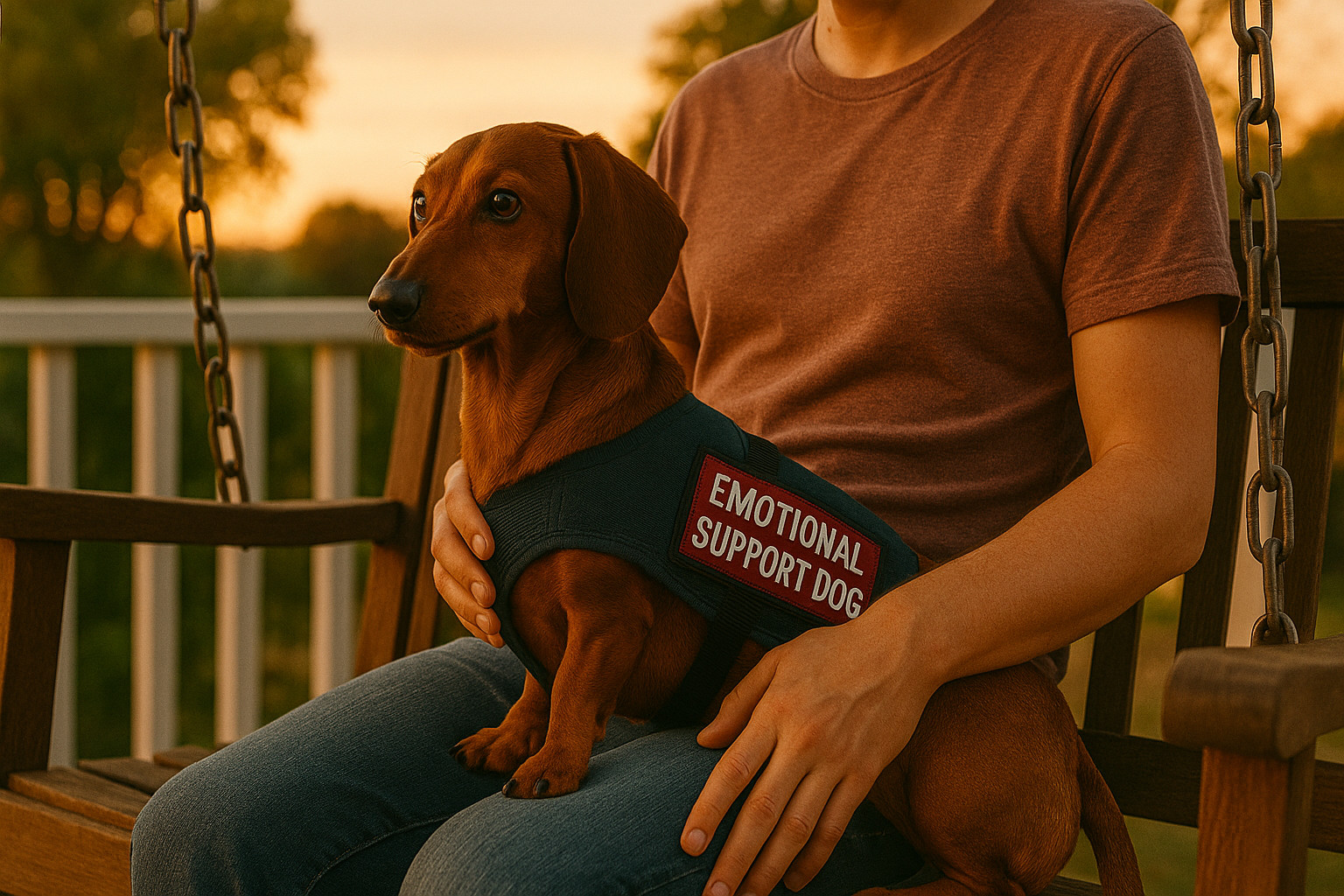
Dachshunds, often affectionately known as "wiener dogs," are a beloved breed with charming personalities and a distinct appearance. While these dogs are undeniably adorable, their potential extends beyond physical looks, making them excellent emotional support animals. In this article, we will explore the qualities that make the Dachshund a suitable companion for those seeking emotional stability and companionship. From their empathetic nature to their adaptability, we will delve into all aspects that contribute to their role as an emotional support animal (ESA).
Understanding the Emotional Support Role
Emotional support dogs provide comfort and companionship to individuals dealing with mental health challenges. Unlike service dogs, ESAs aren't required to perform specific tasks but are crucial in providing emotional stability through their presence. Dachshunds, with their unique temperament and strong bond with their owners, can effectively fulfill this role. They offer understanding, affection, and a sense of reliability that many people find comforting.
Dachshund Overview
Dachshunds originated in Germany, originally bred for hunting badgers due to their elongated bodies and keen sense of smell. Today, they are mostly kept as family pets, appreciated for their lively spirit and loyalty. Typically, Dachshunds weigh between 16-32 pounds and come in three coat varieties: smooth, longhaired, and wirehaired. Each variety offers a different texture but shares the same endearing personality traits that make them excellent emotional support companions.
Temperament and Emotional Connection
Dachshunds are known for their affectionate and loyal nature. Their bond with their owners is often intense and mutual, fostering a deep emotional connection. Key attributes include:
- Loyalty: Dachshunds are fiercely loyal, which strengthens their bond with their owners and helps in establishing a lasting emotional connection.
- Empathy: They exhibit strong empathetic tendencies, often sensing their owners' emotional states and responding with comfort.
- Sensitivity: While they are known for their tenacity, Dachshunds are sensitive animals, often mirroring the emotions of those around them, making them ideal ESAs.
Adaptability and Daily Behavior
One of the standout features of Dachshunds as emotional support dogs is their adaptability to various environments and lifestyles. They thrive in different settings, including:
- Apartments: Their small size and moderate energy levels make them well-suited to apartment living.
- Family Homes: They enjoy being part of a family and can bond well with children when properly socialized.
- Assisted Living: Their size and affectionate nature make them suitable companions for elderly individuals in assisted living facilities.
Dachshunds are generally energetic and benefit from regular exercise, which also helps reduce the anxiety and stress levels of their owners. Their routine needs to include playtime and short walks to maintain a balanced lifestyle.
Situations Where Dachshund Provides Strong Support
Dachshunds shine in situations that require emotional support. They excel in offering comfort in the following scenarios:
Register Any Breed
- Anxiety and Stress Reduction: Their calming presence can help alleviate symptoms of anxiety and stress by providing a consistent source of affection.
- Loneliness Alleviation: Their need for companionship makes them reliable partners for those experiencing solitude, giving them purpose and reducing feelings of loneliness.
- Routine and Structure: Their playful nature encourages a structured routine, which can be beneficial for individuals who thrive on consistency and predictability.
Ideal Living Environments
While adaptable, Dachshunds do best in environments where they can receive consistent attention and care. Factors that contribute to ideal living situations include:
- Regular Interaction: Dachshunds are social animals that require regular interaction with people.
- Safe Outdoor Access: A secured, small outdoor space provides them with necessary physical activity.
- Mental Stimulation: Opportunities for mental engagement and play are crucial. Puzzle toys and games are beneficial.
Bonds with Different Types of People
Dachshunds have an innate ability to form strong bonds with people of various lifestyles and ages. They connect particularly well with:
- Single Adults: Their loyalty can offer companionship and emotional comfort to individuals living alone.
- Children: When socialized appropriately, Dachshunds often become playful and protective companions for children.
- Elderly: Their small size and gentle demeanor make them wonderful companions for elderly individuals needing emotional support.
Health, Care, and Wellbeing
To ensure that Dachshunds can effectively serve as emotional support animals, maintaining their health and overall wellbeing is essential.
Common Health Considerations
Like any breed, Dachshunds have specific health considerations that need attention:
- Back Problems: Due to their elongated spines, they are susceptible to intervertebral disc disease (IVDD).
- Obesity: Prone to weight gain, it's crucial to monitor their diet to prevent additional stress on their spine.
- Dental Health: Regular dental care is critical, given their predisposition to dental issues.
Grooming, Comfort, and Maintenance Needs
The grooming needs of Dachshunds vary based on their coat type:
- Smooth Coat: Minimal grooming, but regular brushing to remove loose hair is needed.
- Longhaired Coat: Requires regular brushing to prevent matting.
- Wirehaired Coat: Regular brushing and occasional trimming are necessary.
Regardless of coat type, maintaining routine grooming contributes to their comfort and helps in catching early signs of health issues.
Preparing a Dachshund for Emotional Support Work
Being a successful emotional support animal involves socialization and training to ensure responsiveness to their owner’s emotional cues.
Socialization and Responsiveness
Early socialization with different people and environments is essential in developing a Dachshund's ability to respond to various emotional cues. Positive exposure helps them become well-adjusted, friendly, and outgoing.
Managing Stress and Emotional Cues
Dachshunds should be trained to manage their stress levels to prevent them from mirroring negative emotions back to their owners. Techniques such as:
- Obedience Training: Basic commands help in managing their behavior, reducing the stress for both the dog and the owner.
- Comfort Techniques: Teaching them to respond to specific emotional cues can make them more effective ESAs.
Strengths, Challenges, and Ideal Homes for Dachshund
Strengths:
- Deep emotional connections
- High adaptability to different environments
- Moderate exercise needs for variable lifestyles
Challenges:
- Prone to specific health issues
- Need for consistent training and socialization
- Can be stubborn without positive reinforcement
Final Thoughts
Dachshunds bring joy, comfort, and unwavering loyalty to their owners, making them ideal emotional support animals for many individuals. Their distinctive personality traits combined with their empathy and adaptability allow them to provide stable companionship across various living situations.
Key Takeaways for the Dachshund as an Emotional Support Dog
- Best suited for: Singles, families with children, elderly individuals
- Not ideal for: Non-social environments, households lacking time for interactions
- Emotional traits: Loyal, empathetic, sensitive to human emotions
- Care and health notes: Monitor back health and weight; regular grooming based on coat type
- Environments where they provide the most comfort: Apartments, family homes, assisted living facilities
Dachshunds, with their enviable qualities, can transform lives as emotional support animals, offering not just companionship but an emotional anchor for those in need.


-
Public Access Kits
$149.00 Learn more This product has multiple variants. The options may be chosen on the product page -
Quick Ship Premium Vests
$48.00 – $82.00 Learn more This product has multiple variants. The options may be chosen on the product page -
Service Dog Bandana
$39.95 Learn more This product has multiple variants. The options may be chosen on the product page
Custom ID Cards

Custom ID Cards
All States

Canada Cards
Custom Service Dog Tags
Official Dog Vests

Smart Vests
Official Public Access Kits
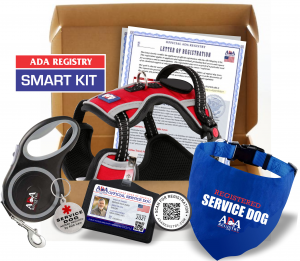
Complete Kits
USA & CANADA Letters
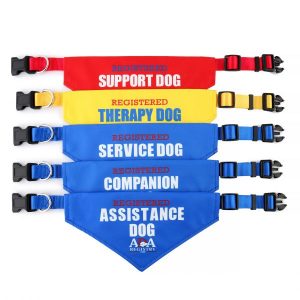
High Quality Bandanas
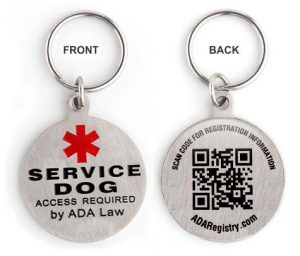
Service Dog Tags
Smart Tags

ESA TAGS