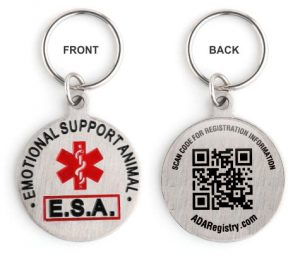
Dandie Dinmont Terrier as a Therapy Dog
Register Any Breed
Dandie Dinmont Terrier as a Therapy Dog Overview
The Dandie Dinmont Terrier, with its distinctive appearance and endearing temperament, is not just a charming companion; this breed can also excel as a therapy dog. Popular for their resilience and gentle disposition, Dandie Dinmont Terriers can provide emotional support, comfort, and companionship in a variety of settings. Understanding the intricacies of this breed's personality and suitability for therapy work is essential for trainers, volunteers, and medical professionals seeking to harness the potential of these small yet spirited dogs in therapeutic roles.
Understanding the Therapy Dog Role
Therapy dogs play a critical role in enhancing emotional and psychological well-being for individuals in settings such as hospitals, schools, and rehabilitation centers. Unlike service dogs, who are specially trained to perform tasks for individuals with disabilities, therapy dogs provide comfort and affection to people in group settings or as part of therapy sessions. The effectiveness of a therapy dog is largely contingent upon its temperament, behavior, and adaptability. The Dandie Dinmont Terrier, with its innate sociability and attentiveness, is well-suited for this role.
Physical Appearance and Energy Level
The Dandie Dinmont Terrier is uniquely recognizable due to its curved body, large head topped with a soft, "top-knot" of hair, and soulful, endearing eyes. Their small to medium size and low stature make them less intimidating, particularly for children and the elderly, facilitating close, physical interaction without causing discomfort or fear. The breed's moderate energy level is also advantageous for therapy work. They are active enough to participate eagerly in interactive sessions, yet they possess a calming presence, often content to sit and be petted for extended periods.
Personality and Emotional Intelligence
The Dandie Dinmont Terrier is characterized by a balanced temperament, exhibiting a compelling blend of tenacity, cheerfulness, and gentleness. These dogs are known for their exceptional emotional intelligence, often able to perceive and respond to human emotions with remarkable sensitivity. They are naturally affectionate, which fosters a strong, comforting presence during interactions with individuals who may be stressed, anxious, or undergoing treatment. Dandie Dinmont Terriers are typically patient and unperturbed by the hustle and bustle of busy environments, making them reliable therapy animals.
Environments Where Dandie Dinmont Terrier Excels
The adaptability of the Dandie Dinmont Terrier makes it an ideal candidate for various therapy settings:
- Hospitals: Their comforting demeanor can alleviate anxiety and promote healing.
- Nursing Homes: The Dandie's gentle nature appeals to the elderly, providing companionship and emotional uplift.
- Schools: Their playful yet calm nature is suitable for interacting with children, particularly those with special educational needs.
- Rehabilitation Centers: The breed's resilience and subtly encouraging spirit can motivate individuals undergoing physical or occupational therapy.
Common Therapy Settings
Working as therapy dogs, Dandie Dinmont Terriers often find themselves in environments that demand calm, reliable interaction. In hospitals, they can provide emotional comfort to patients and distraction from pain. In educational settings, they offer unconditional friendship and support, helping to build children's confidence and sociability. Similarly, in residential care facilities, their presence can diminish feelings of loneliness and isolation among residents, serving as a tangible link to normalcy and joy.
Interactions with Different Populations
The Dandie Dinmont Terrier's adaptable temperament allows it to interact successfully with a diverse range of populations:
Register Any Breed
- Children: Their small size and playful nature make them appealing to younger children. They exhibit patience and gentleness, essential for interactions with kids.
- Seniors: The controlled energy and comforting presence they project are particularly soothing for the elderly, especially those in assisted living environments.
- Patients Undergoing Rehabilitation: Their resilience and persistent, positive demeanor can serve as a form of nonverbal encouragement, helping patients to remain motivated.
Health and Wellness Factors
When considering a Dandie Dinmont Terrier for therapy work, attention must be paid to health and wellness factors that may impact their suitability:
- Regular Check-ups: Frequent vet visits are essential to ensure their fitness for therapy work, as conditions like glaucoma or hypothyroidism can affect performance.
- Grooming Needs: The Dandie's coat requires regular brushing to maintain a clean, hygienic appearance suitable for close contact therapies.
- Diet and Exercise: Maintaining a balanced diet and consistent exercise regime supports overall health, preventing weight-related issues that could impair mobility.
Lifespan and Common Health Issues
Dandie Dinmont Terriers typically live between 12-15 years. While generally healthy, they may be predisposed to certain conditions, such as intervertebral disc disease, which could impair mobility. Eye conditions like glaucoma can develop, demanding regular veterinary check-ups and careful monitoring to ensure any health issues are caught and managed early, maintaining their ability to perform as therapy dogs safely.
Maintenance and Care Needs
The commitment to maintaining a Dandie Dinmont Terrier includes:
- Grooming: Regular brushing to prevent matting and occasional professional grooming to maintain their coat's signature look.
- Diet and Exercise: A balanced diet supporting their energy needs coupled with daily walks or playtime is crucial.
- Health Monitoring: Vigilant health checks and monitoring for early signs of common diseases should be a priority, especially for a therapy dog frequently interacting with vulnerable populations.
Training and Certification Readiness
Dandie Dinmont Terriers exhibit a willingness to learn and respond well to positive reinforcement training techniques. Their intelligent and cooperative nature makes them suitable candidates for therapy dog certification programs. Training for therapy work should focus on socialization, obedience, and exposure to various environments and stimuli, enabling them to provide effective support in diverse settings.
Learning Style and Responsiveness
These terriers possess an eager-to-please attitude and quickly pick up commands and tasks associated with therapy work. Their learning style benefits from:
- Consistent Positive Reinforcement: Reward-based training encourages desirable behaviors.
- Repetitive Commands and Tasks: Reinforcement through repetition solidifies learning, enhancing performance in therapy roles.
- Socialization Opportunities: Exposure to varied environments and populations strengthens adaptability.
Handling Social and Emotional Stimuli
Dandies manage social and emotional stimuli proficiently due to their composed and affable disposition. They can:
- Address Emotional Distress: Their sensitivity to human emotions allows them to comfort individuals by providing a stable, calming physical presence.
- Adapt to Changing Environments: Their flexibility ensures they remain steadfast and comforting even when environments become unpredictable.
- Offer Unconditional Support: Whether offering a steady presence or engaging playfully, they provide reassurance, drawing on their natural empathy.
Strengths, Limitations, and Ideal Roles for Dandie Dinmont Terrier
Strengths:
- Adaptability to various environments, providing comfort and emotional support.
- Robust emotional intelligence and sensitivity enhance therapeutic effectiveness.
- Manageable size and energy level allow gentle interaction with both children and adults.
Limitations:
- Potential health issues may limit mobility or interaction in therapy settings.
- Grooming needs must be routinely addressed to maintain standards appropriate for therapy work.
Ideal Roles:
- Providing companionship in hospitals, especially for long-term patients.
- Working in educational settings, supporting children through interaction and play.
- Offering emotional support in elder care facilities, fostering social connection.
Final Thoughts
The Dandie Dinmont Terrier's blend of emotional intelligence, calmness, and spirited tenacity makes it a remarkable candidate for therapy work. Its affectionate nature and adaptability to varying environments enable it to flourish in diverse therapeutic roles. While health and grooming requirements demand attention, the rewards of working with this breed in therapy settings are substantial for both the handler and those they serve.
Key Takeaways for the Dandie Dinmont Terrier as a Therapy Dog
- Best suited for: Hospitals, schools, nursing homes, and rehabilitation centers.
- Not ideal for: High-stress environments requiring vigorous physical agility or where size poses a limitation.
- Temperament highlights: Gentle, empathetic, adaptable, patient, and affectionate.
- Care and health notes: Regular grooming and health check-ups; awareness of potential genetic health issues.
- Therapy environments where they shine: Providing emotional support and companionship in compassionate and clinical settings.


-
Public Access Kits
$149.00 Learn more This product has multiple variants. The options may be chosen on the product page -
Quick Ship Premium Vests
$48.00 – $82.00 Learn more This product has multiple variants. The options may be chosen on the product page -
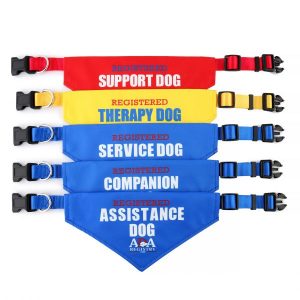
Service Dog Bandana
$39.95 Learn more This product has multiple variants. The options may be chosen on the product page
Custom ID Cards

Custom ID Cards
All States

Canada Cards

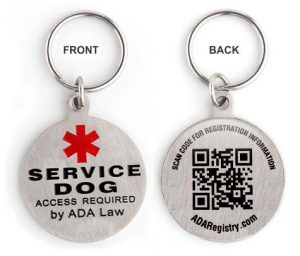
Custom Service Dog Tags

Official Dog Vests

Smart Vests
Official Public Access Kits
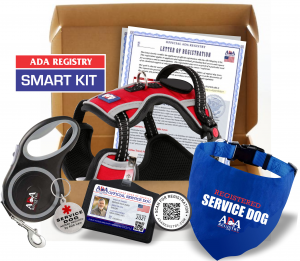
Complete Kits
USA & CANADA Letters
High Quality Bandanas
Service Dog Tags
Smart Tags

ESA TAGS