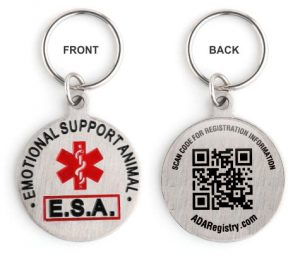
Doberman Pinscher as a Therapy Dog
Register Any Breed
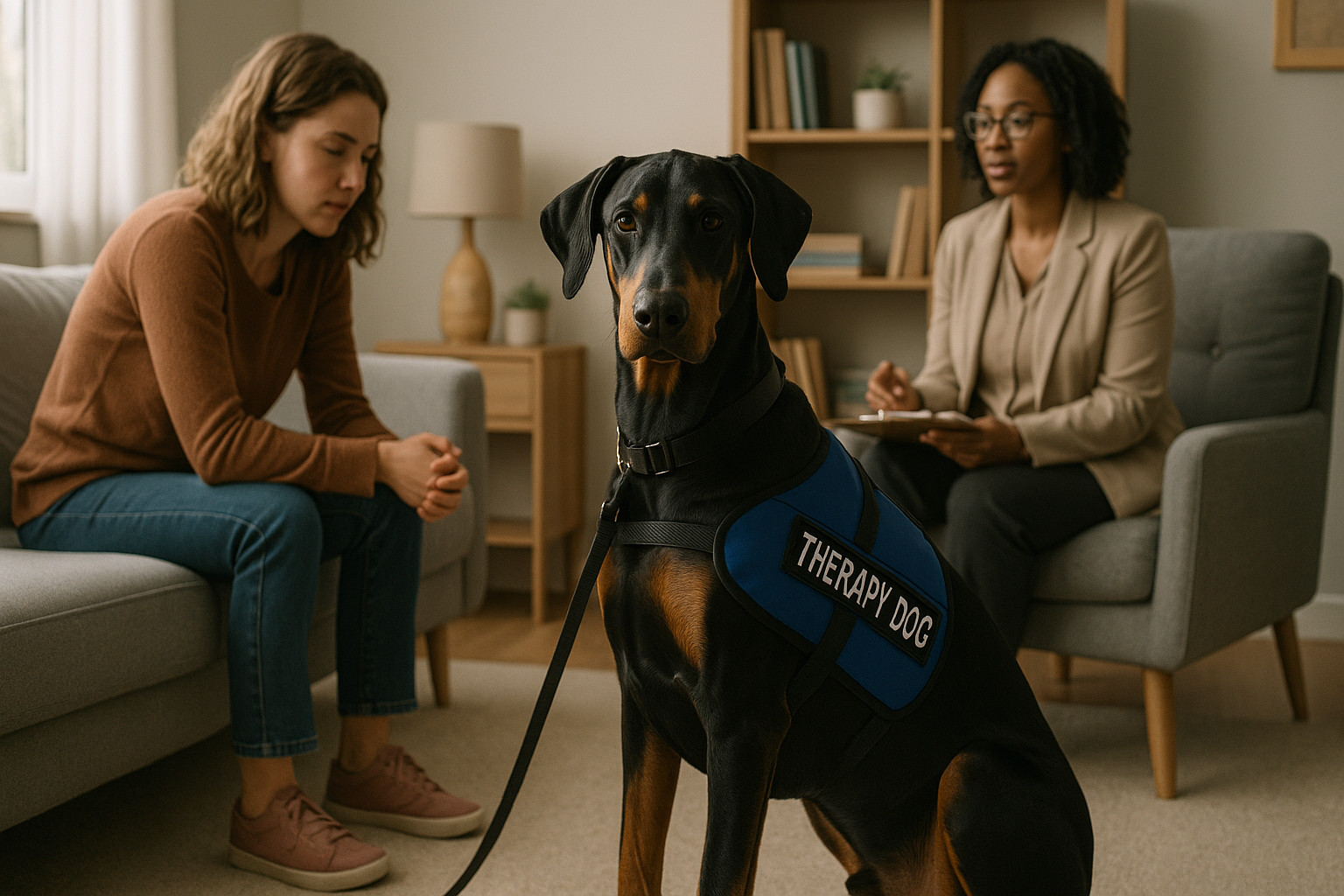
Doberman Pinscher as a Therapy Dog Overview
The Doberman Pinscher is often recognized for its sleek, muscular build and sharp intelligence. Traditionally seen as a working and protective breed, the Doberman's suitability as a therapy dog is less commonly explored, yet it offers immense potential. Therapy dogs provide comfort, companionship, and a wide array of emotional support in therapeutic settings. Understanding how the Doberman Pinscher fits into this role is crucial for those considering this breed for therapy work.
Understanding the Therapy Dog Role
A therapy dog's primary function is to offer emotional support and comfort to individuals in hospitals, schools, nursing homes, and various other settings. Unlike service dogs, therapy dogs do not provide assistive services to their handlers but rather work with a range of individuals, offering affection and distraction from anxiety or discomfort. The Doberman's capability in this role hinges on temperament, emotional intelligence, and the ability to adapt to various environments and individuals.
Physical Appearance and Energy Level
The Doberman Pinscher is a medium-large breed known for its physical prowess and endurance. Their energy level can be quite high, requiring regular physical exercise. This physical stature and energy can be advantageous in therapy settings—particularly for patients who benefit from more interactive sessions.
- Strengths: Their lean, agile build allows for easy mobility in different environments, from navigating crowded nursing homes to visiting school playgrounds.
- Limitations: High energy levels might require careful consideration to ensure the Doberman remains calm during therapy sessions.
Personality and Emotional Intelligence
The Doberman is renowned for its loyalty, intelligence, and protective nature. When well-socialized and appropriately trained, these dogs are exceptionally sensitive to human emotions.
- Percipient Nature: Dobermans are adept at reading emotional cues from humans, an essential skill in therapeutic environments.
- Affectionate Disposition: Despite their formidable presence, they can exhibit gentleness and patience, offering comfort through physical closeness and attention.
Environments Where Doberman Pinscher Excels
A well-trained Doberman Pinscher can excel in various therapy environments due to its adaptive nature and keen perception.
- Hospitals: Their calm demeanor in controlled settings can soothe patients and relieve stress.
- Schools: Dobermans can engage with children, offering companionship and improving students' emotional well-being.
- Rehabilitation Centers: Their presence in therapeutic exercises can motivate individuals in physical rehabilitation.
Common Therapy Settings
In therapy settings, Dobermans are expected to interact naturally with the people they are tasked with helping. Here are common environments where Dobermans thrive:
- Senior Living Facilities: Their ability to provide a sense of security and affection brings comfort to residents.
- Hospitals: The sterile, often stressful environment of a hospital is a place where Dobermans can offer relaxation and emotional grounding.
- Community Events: Their presence at outreach events provides opportunities for public engagement and stress relief.
Interactions with Different Populations
Dobermans show notable versatility in their interactions with varied demographics.
Register Any Breed
- Children: They are gentle yet playful, making them ideal for school settings.
- Elderly: Their calm, soothing presence can alleviate loneliness and support emotional health.
- Patients in Rehabilitation: The breed's stalwart presence and keen understanding can encourage patients, particularly in physical or occupational therapy.
Health and Wellness Factors
Overall health and maintenance are significant considerations for therapy dogs. Dobermans, with proper care, often remain healthy and active.
- Diet and Exercise: A balanced diet combined with regular exercise maintains their energy and wellness levels, essential for therapy work.
- Regular Veterinary Checks: Preventive health measures, including regular check-ups and vaccinations, ensure they remain fit for visiting different environments.
Lifespan and Common Health Issues
The average lifespan of a Doberman is around 10-13 years. While generally robust, they are prone to certain health issues that could affect their therapy work.
- Common Health Concerns: Cardiac issues, hip dysplasia, and blood disorders are some health conditions prevalent in Dobermans.
- Impact on Therapy Work: Regular health monitoring is crucial to ensure their health does not impede their ability to serve as a therapy dog.
Maintenance and Care Needs
Adequate grooming and cleanliness are vital for therapy dogs to ensure safe and hygienic interactions.
- Grooming: Dobermans have a short coat, making grooming manageable; regular brushing keeps shedding under control.
- Hygiene: Regular bathing and nail-trimming maintain their cleanliness, essential in medical and educational environments.
Training and Certification Readiness
Dobermans possess exceptional trainability, a critical quality for therapy dogs required to adapt to various settings and follow specific commands.
- Training Process: Consistent positive reinforcement techniques harness their intelligence and eagerness to please.
- Certification: Dobermans can meet the standards of therapy dog certification with focused training on socialization and handling various stimuli.
Learning Style and Responsiveness
The Doberman's intelligence allows it to quickly learn and respond to commands, crucial for therapy tasks.
- Adaptive Learning: They pick up routines and commands quickly, showing remarkable adaptability to structured environments.
- Responsiveness: Their responsiveness is heightened when there is a strong bond with their handler, reinforcing the therapeutic relationship.
Handling Social and Emotional Stimuli
Therapy dogs must cope with diverse social and emotional stimuli, a role the Doberman is well-suited for.
- Social Adaptation: An inherent curiosity and desire to engage make them sociable with diverse groups.
- Emotional Perception: They can perceive and react to emotional signals, offering comfort where needed through their intuitive responses.
Strengths, Limitations, and Ideal Roles for Doberman Pinscher
The strengths of a Doberman include its intelligence, loyalty, and ability to read emotional cues, which can make it an outstanding therapy dog. However, considerations regarding their energy levels and potential health issues must be made.
- Strengths: They are intelligent, trainable, and have the ability to bond closely with humans.
- Limitations: Health monitoring and managing energy levels can require extra efforts.
- Ideal Roles: They excel in roles offering emotional support and motivation, particularly in settings involving interactive engagement.
Final Thoughts
The Doberman Pinscher offers a unique combination of qualities that can make it an exceptional therapy dog. Their sensitivity, intelligence, and ability to provide comfort and support make them invaluable in settings like hospitals, schools, and rehabilitation centers. With the proper guidance and training, Dobermans can transition from their traditional working roles into therapy settings, bringing hope and happiness to those they serve.
Key Takeaways for the Doberman Pinscher as a Therapy Dog
- Best suited for: Providing emotional support in schools, hospitals, rehabilitation centers.
- Not ideal for: Highly sedentary environments that don't utilize their energy and interactive nature.
- Temperament highlights: Intelligent, loyal, emotionally intuitive, and adaptable.
- Care and health notes: Requires regular exercise, grooming, and health monitoring.
- Therapy environments where they shine: Hospitals, schools, and elder care facilities, where they can actively engage and provide emotional comfort.


-
Public Access Kits
$149.00 Learn more This product has multiple variants. The options may be chosen on the product page -
Quick Ship Premium Vests
$48.00 – $82.00 Learn more This product has multiple variants. The options may be chosen on the product page -
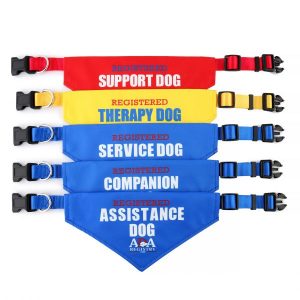
Service Dog Bandana
$39.95 Learn more This product has multiple variants. The options may be chosen on the product page
Custom ID Cards

Custom ID Cards
All States

Canada Cards
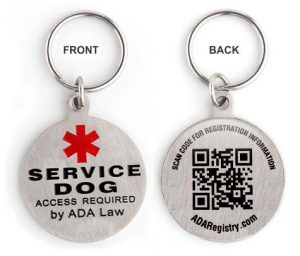
Custom Service Dog Tags
Official Dog Vests

Smart Vests
Official Public Access Kits
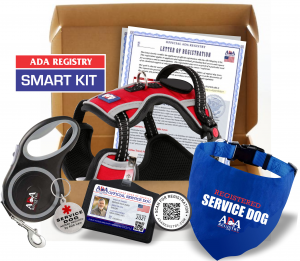
Complete Kits
USA & CANADA Letters
High Quality Bandanas
Service Dog Tags
Smart Tags

ESA TAGS