Dogo Argentino as a Service Dog
Register Any Breed
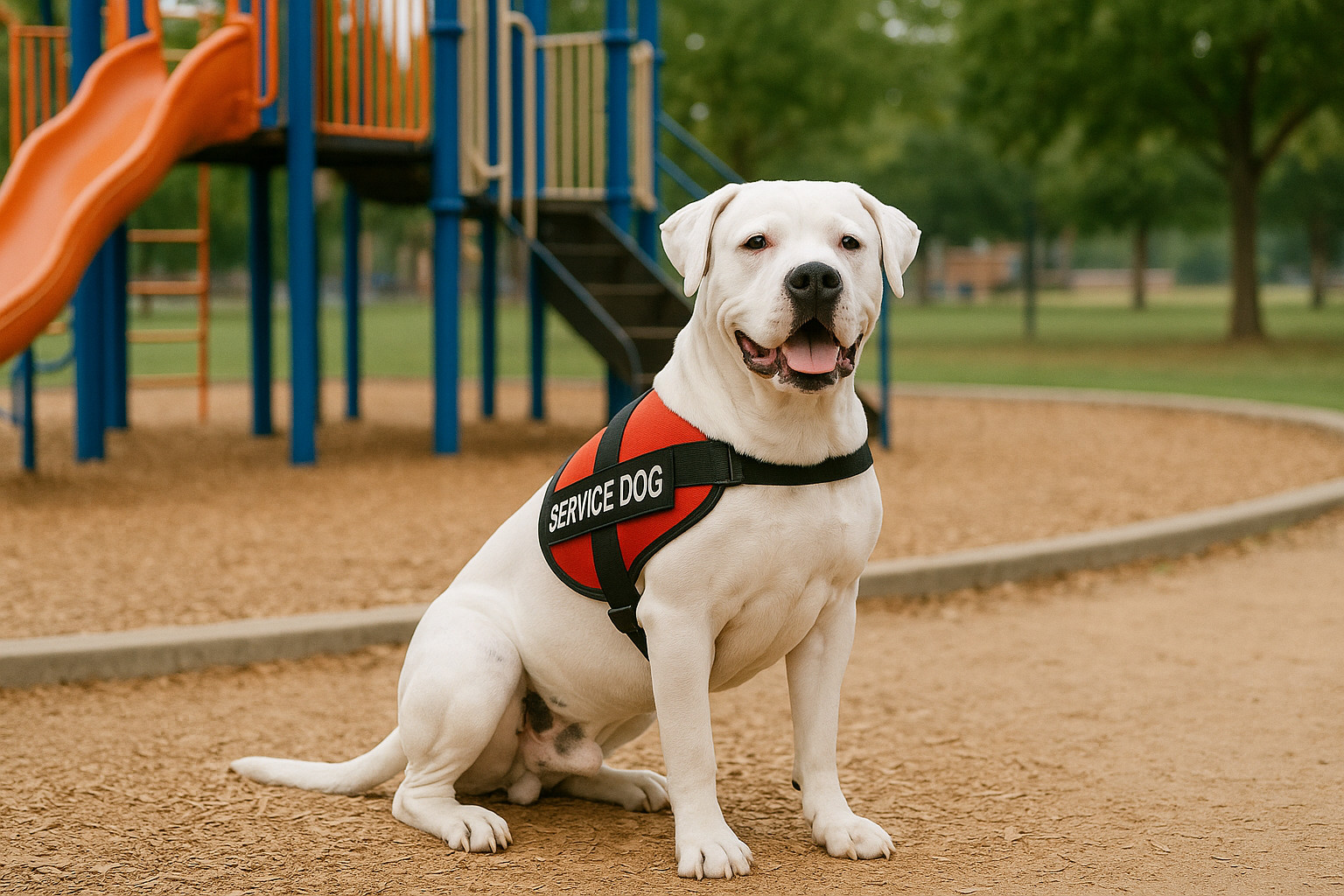
The Dogo Argentino, a robust and intelligent breed, often garners attention due to its striking appearance and commendable traits. Originally bred in Argentina for big-game hunting, these dogs are known for their versatility and power. While they are not the most common breed utilized in service work, under the right circumstances, they can excel in specialized roles. This guide will explore various facets of the Dogo Argentino as a service dog, examining their physical and behavioral characteristics, service suitability, health considerations, training requirements, and overall summary of their potential as service animals.
Dogo Argentino Overview
The Dogo Argentino is a muscular and athletic breed with a short, white coat and a powerful stance. Their physical prowess is accompanied by a sharp intellect and an instinct for protection, which can be pivotal attributes in certain service dog roles. However, their suitability as service dogs is contingent upon rigorous training and early socialization to mitigate some of their naturally dominant tendencies.
Physical Characteristics
The Dogo Argentino boasts a remarkable physique that can benefit certain service dog tasks but may also present challenges in others:
- Size and Strength: Typically weighing between 80-100 pounds and standing 24-27 inches tall, these dogs possess substantial physical strength. This makes them ideal for roles that require pulling or physical support, such as mobility assistance tasks. However, their size and strength necessitate handlers capable of managing them effectively.
- Energy Levels: As a high-energy breed, the Dogo Argentino needs ample exercise to maintain a steady demeanor. Their stamina can be leveraged in tasks that require endurance, like search and rescue operations. However, managing their energy indoors can be demanding in environments like hospitals or small homes.
- Coat and Maintenance: With a short coat, Dogos require minimal grooming, which is advantageous for handlers with physical limitations. Their coat, while easy to maintain, provides less protection against harsh weather conditions, influencing their ability to work outdoors for extended periods in varying climates.
Temperament and Attitude
The temperament of the Dogo Argentino is as significant as their physical attributes when determining service suitability:
- Protective Instincts: Bred as hunting companions and guard dogs, Dogos have a natural protective instinct. This characteristic can be an asset in personal protection or assistance roles but requires careful control to avoid over-protectiveness in public.
- Intelligence and Learning: These dogs are known for their intelligence and problem-solving abilities. They learn quickly and can follow complex commands, which is essential for service work. However, their independent nature can sometimes hinder obedience, requiring consistent and patient training.
- Socialization: Early socialization is crucial to curb potential aggressive tendencies. Successful integration into service roles is heavily dependent on exposure to various environments, people, and animals from a young age.
Types of Service Work
While the Dogo Argentino is not traditionally utilized in service roles, they can be suitable for specific tasks:
- Mobility Assistance: Their strength makes them good candidates for providing support and stability to individuals with mobility issues. They can learn to open doors, retrieve objects, and even offer physical balance.
- Search and Rescue: Their energy, stamina, and keen sense of smell position them well for search and rescue operations, especially in rural or forested environments.
- Personal Protection and Assistance: Their protective nature can be harnessed for personal assistance roles, offering both physical support and personal security.
- Emotional Support and Companionship: With the right temperament and training, they can serve as emotional support animals, although their high energy and strength need to be managed appropriately.
Health Considerations
The health of a service dog is paramount to its effectiveness and longevity in the role:
- Deafness: A significant proportion of Dogo Argentinos suffer from congenital deafness, with some being completely deaf in one or both ears. Health screenings are essential before training to ensure they can effectively respond to auditory commands.
- Hip Dysplasia: Like many large breeds, they are prone to hip dysplasia, which could impair their ability to perform physical tasks over time.
- Other Conditions: They may also face skin allergies and cardiac issues, which can affect their comfort and performance in demanding tasks.
Training and Suitability
Training the Dogo Argentino for service work requires dedication and understanding of the breed's specific needs:
Register Any Breed
- Consistency and Patience: Due to their independent and sometimes stubborn nature, consistent training and positive reinforcement are critical. Early socialization and basic obedience are the cornerstones of service training for this breed.
- Professional Guidance: Engaging a professional trainer with experience in the Dogo Argentino breed is recommended to address their specific behavioral traits effectively.
- Task-Specific Training: The breed may excel in tasks that align with their natural abilities, such as strength-based tasks or protective roles, making tailored training programs essential.
Summary of Dogo Argentino
In summary, the Dogo Argentino, with appropriate care and training, can be a competent service dog in certain types of work. Below is a structured summary highlighting their key strengths, weaknesses, and ideal service roles:
- Strengths:
- Powerful physique suitable for mobility assistance
- Intelligent and quick learners
- Naturally protective, beneficial for personal safety roles
- Weaknesses:
- Require substantial training and socialization to manage protective instincts
- High energy levels can be challenging to contain
- Health issues like deafness and hip dysplasia may limit some service capabilities
- Ideal Service Roles:
- Mobility assistance and physical support
- Search and rescue operations
- Personal protection and assistance roles
Overall, while the Dogo Argentino is not the most conventional service dog choice, they may excel in particular roles with thorough training and proper management of their traits. Prospective handlers should consider both the potential and limitations inherent to this breed when evaluating their suitability as service animals.


-
Public Access Kits
$149.00 Learn more This product has multiple variants. The options may be chosen on the product page -
Quick Ship Premium Vests
$48.00 – $82.00 Learn more This product has multiple variants. The options may be chosen on the product page -
Service Dog Bandana
$39.95 Learn more This product has multiple variants. The options may be chosen on the product page
Custom ID Cards

Custom ID Cards
All States
Canada Cards

Custom Service Dog Tags
Official Dog Vests

Smart Vests
Official Public Access Kits
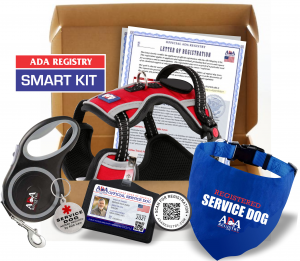
Complete Kits
USA & CANADA Letters
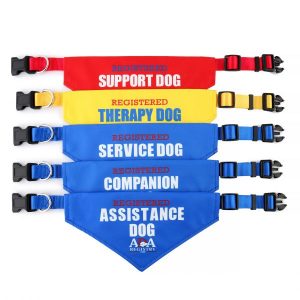
High Quality Bandanas
Service Dog Tags
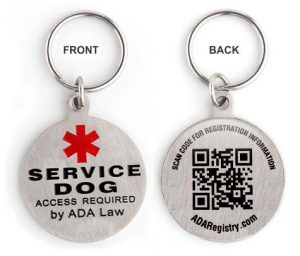
Smart Tags
ESA TAGS