Dogo Argentino as a Therapy Dog
Register Any Breed
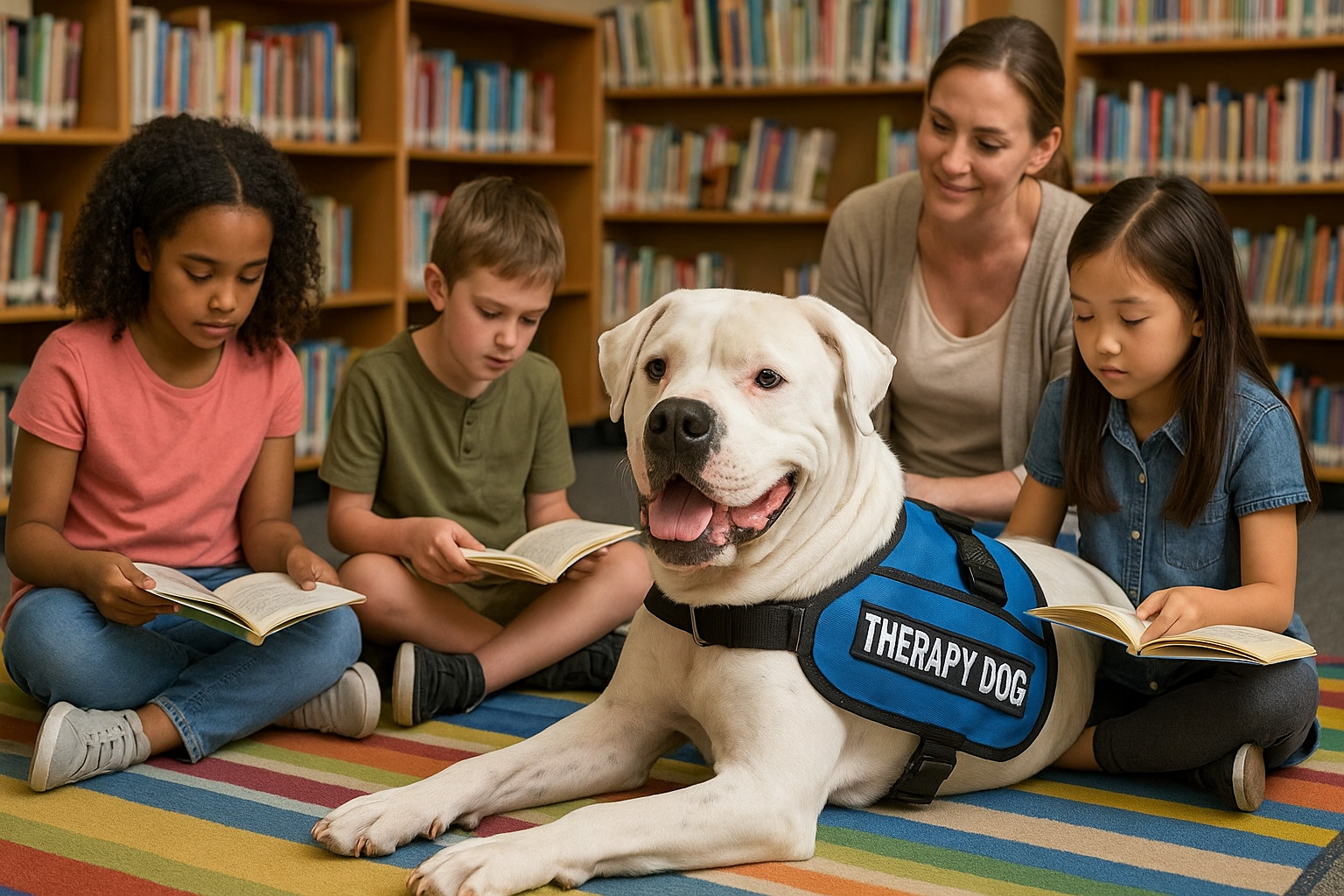
The Dogo Argentino, known for its striking appearance and courageous demeanor, may not be the first breed that comes to mind when considering therapy dogs. However, with the right training and guidance, the Dogo Argentino can excel in providing comfort and companionship in therapeutic settings. This article explores the Dogo Argentino’s potential as a therapy dog, examining its temperament, adaptability, and suitability for various environments where therapy dogs play a pivotal role.
Dogo Argentino as a Therapy Dog Overview
Understanding the Therapy Dog Role
Therapy dogs serve to provide affection, comfort, and support to individuals in various settings, such as hospitals, schools, and nursing homes. Unlike service dogs, therapy dogs are not trained to perform specific tasks but are selected for their kind demeanor and ability to engage with people empathetically. The key characteristics include calmness, social temperament, and adaptability to different environments.
Physical Appearance and Energy Level
The Dogo Argentino is a muscular, athletic breed with a commanding presence. Despite their robust appearance, they are known to have a stable energy level conducive to the therapy dog role. Key physical traits include:
- Muscular build: This contributes to their ability to remain steady on their feet, an asset when interacting with individuals in wheelchairs or with walking difficulties.
- Short, smooth coat: This requires minimal grooming, facilitating frequent visits without substantial maintenance.
Their energy level, while moderate, must be managed to prevent overwhelming individuals they interact with. Proper exercise before therapy sessions can help maintain focus and calmness.
Personality and Emotional Intelligence
The Dogo Argentino's personality, marked by loyalty, protectiveness, and a gentle demeanor, supports its candidacy as a therapy dog. These dogs often display:
- High emotional intelligence: Allowing them to sense and respond to human emotions, essential in providing comfort.
- Loyalty and affection: They form strong bonds with their handlers and individuals they serve, which enhances therapeutic presence.
While generally even-tempered, individual temperaments can vary, and temperament testing is crucial to ensure suitability for therapy work.
Environments Where Dogo Argentino Excels
Dogo Argentinos thrive in environments where their protective and empathetic nature can be utilized effectively. They perform well in:
Register Any Breed
- Hospitals and rehabilitation centers: Their calming presence can alleviate stress and promote healing.
- Schools: Known for their patience, these dogs can engage children attentively, fostering a supportive learning atmosphere.
Their adaptability allows them to adjust to varied settings, though gradual exposure is necessary to acclimate them to different noises and smells.
Common Therapy Settings
In therapy contexts, Dogo Argentinos are often seen providing support in:
- Elder care facilities: Their sturdy build and gentle personality help them interact safely with elderly individuals.
- Veterans’ programs: Their loyalty and emotional intelligence offer comfort and connection to individuals overcoming trauma.
Each setting requires understanding and training to harness the breed’s characteristics in a non-threatening manner.
Interactions with Different Populations
The Dogo Argentino's interactions with diverse populations highlight its adaptability:
- With children: Their patience and non-aggressive nature make them suitable around younger individuals, promoting emotional learning.
- With adults and elderly: Their size might be intimidating initially, but their calm interaction ensures a comforting presence.
Health and Wellness Factors
Health and wellness are critical for therapy dogs to perform their duties effectively. For the Dogo Argentino, consider the following:
- Regular health check-ups: These are vital to prevent illnesses that can impact therapy effectiveness.
- Nutritional needs: Maintains their energy level and coat health.
Proper veterinarian care ensures that the dog remains fit to engage in therapy tasks safely.
Lifespan and Common Health Issues
Dogo Argentinos typically live 10-15 years, but they are prone to specific health challenges:
- Hip dysplasia: Affects mobility and suitability for therapy work involving strenuous movement.
- Deafness: Common in the breed, it can impact communication, though many deaf dogs successfully work as therapy animals with specialized training.
Understanding these health issues ensures that their physical limitations do not hinder therapy roles.
Maintenance and Care Needs
While their coat requires minimal grooming:
- Regular cleaning: Ensures hygiene during therapy visits.
- Mental stimulation: Necessary to maintain focus and prevent boredom.
Proper care reinforces their readiness and reliability in therapy settings.
Training and Certification Readiness
Training a Dogo Argentino for therapy dog certification involves:
- Socialization: Introducing them to various social stimuli enhances adaptability.
- Obedience training: Essential for maintaining control during visits.
Certification requirements vary by organization, but consistent training is paramount.
Learning Style and Responsiveness
The Dogo Argentino is intelligent and eager to please, making training effective. They exhibit:
- Good memory: They retain learned behaviors and commands effectively.
- Responsiveness to positive reinforcement: Encourages a willing and enthusiastic learning process.
This learning style is beneficial when preparing for therapy dog roles.
Handling Social and Emotional Stimuli
Their capability to manage social and emotional stimuli enables them to:
- Respond calmly to distress: They can offer pacifying support to those in emotional distress.
- Adapt to sensory environments: Gradual acclimation helps them remain composed amidst unfamiliar noises or high activity levels.
Engagement in diverse settings prepares them for unexpected scenarios commonly encountered in therapy contexts.
Strengths, Limitations, and Ideal Roles for Dogo Argentino
Strengths of the Dogo Argentino as a therapy dog include:
- Emotional intelligence
- Physical presence and strength
- Loyal and adaptable nature
However, some limitations to consider are:
- Initial intimidating presence: Requires managed introductions, particularly with children or those fearful of large dogs.
- Breed-specific legislation: In some areas, restrictions may limit their accessibility as therapy animals.
Ideal roles leverage their physical and emotional strengths, such as engaging in programs that benefit from their presence and calm disposition.
Final Thoughts
The Dogo Argentino, with the right attention to training and environment, can be a valuable therapy dog. Ensuring their characteristics are matched to suitable environments will optimize their effectiveness and ensure those they help receive the best emotional support.
Key Takeaways for the Dogo Argentino as a Therapy Dog
- Best suited for: Hospitals, rehabilitation centers, veteran and elder programs.
- Not ideal for: Settings where small children are unsupervised or areas with strict breed restrictions.
- Temperament highlights: Loyal, emotionally intelligent, calm with training.
- Care and health notes: Requires regular health checks and moderate exercise.
- Therapy environments where they shine: High-stress environments needing calm, strong presence.
This comprehensive understanding guides trainers, volunteers, and healthcare professionals in utilizing the Dogo Argentino effectively in therapy settings.


-
Public Access Kits
$149.00 Learn more This product has multiple variants. The options may be chosen on the product page -
Quick Ship Premium Vests
$48.00 – $82.00 Learn more This product has multiple variants. The options may be chosen on the product page -
Service Dog Bandana
$39.95 Learn more This product has multiple variants. The options may be chosen on the product page
Custom ID Cards

Custom ID Cards
All States

Canada Cards

Custom Service Dog Tags
Official Dog Vests
Smart Vests
Official Public Access Kits
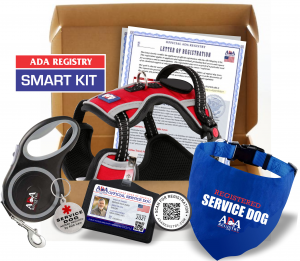
Complete Kits
USA & CANADA Letters

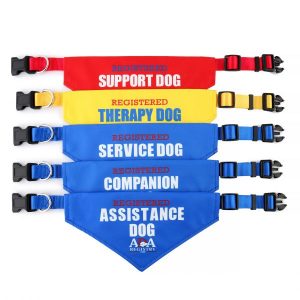
High Quality Bandanas
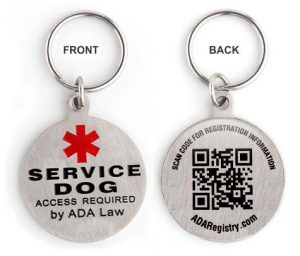
Service Dog Tags
Smart Tags
ESA TAGS