Dogue de Bordeaux as a Service Dog
Register Any Breed
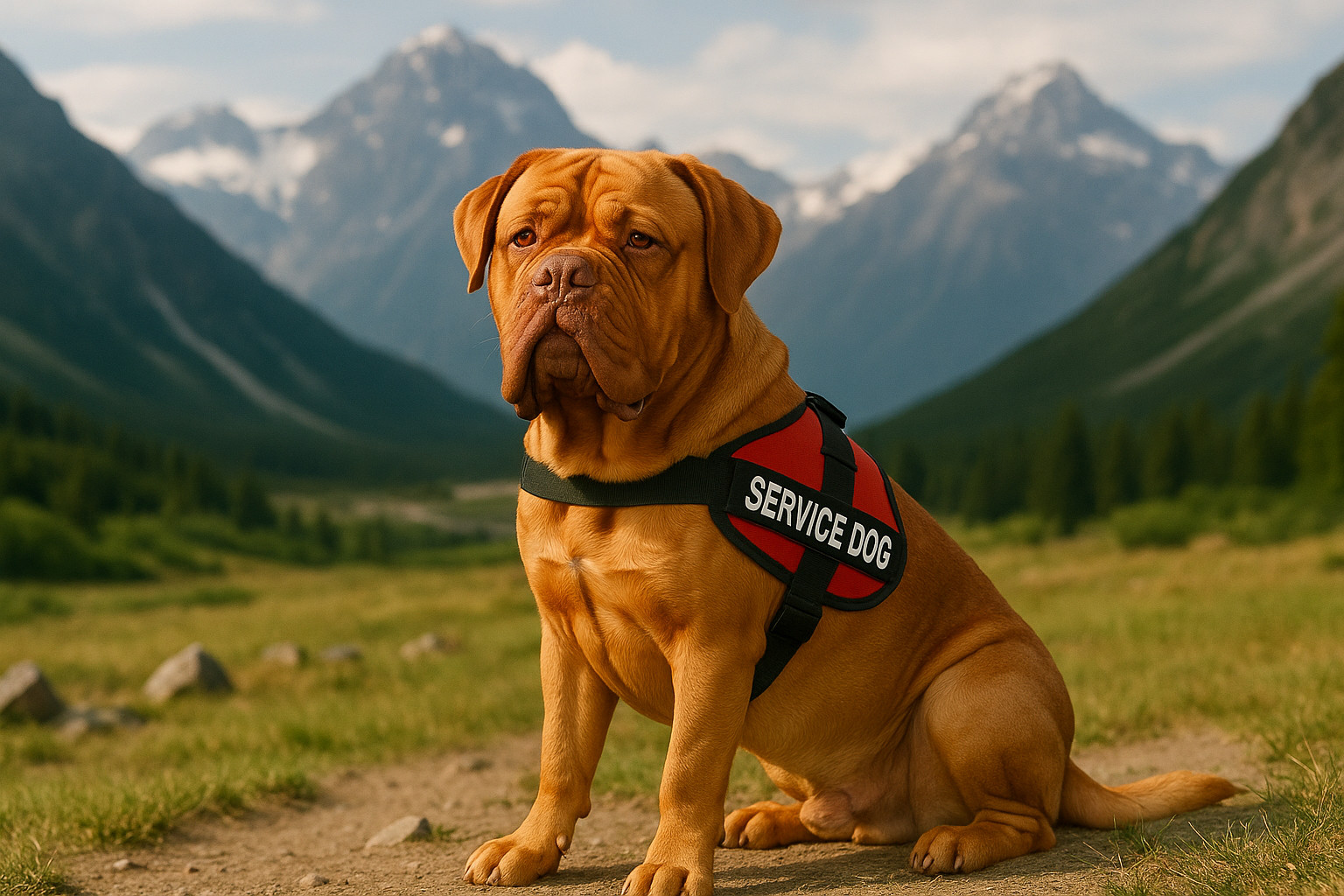
The Dogue de Bordeaux, also known as the French Mastiff, is a powerful and loyal breed known for its imposing size and affectionate nature. While not one of the most common breeds for service dog work, the Dogue de Bordeaux has some qualities that could potentially make it a suitable candidate for certain types of service roles. This article will explore the characteristics of the Dogue de Bordeaux that affect its suitability as a service dog, including its physical attributes, temperament, types of service work it's best suited for, health considerations, and trainability.
Dogue de Bordeaux Overview
The Dogue de Bordeaux is a breed with a rich history dating back to ancient France. Originally bred as a working dog for tasks like hauling and guarding, this breed possesses a strong physique and a gentle disposition. Understanding the inherent characteristics of the Dogue de Bordeaux is essential in evaluating its potential as a service dog.
Physical Characteristics
- Size and Build: The Dogue de Bordeaux is a mastiff-type breed that typically weighs between 110 and 145 pounds and stands about 23.5 to 27 inches tall at the shoulder. Its large, muscular build makes it well-suited for tasks that require strength.
- Coat and Maintenance: This breed has a short, fine coat that requires minimal grooming, making it a low-maintenance option for those who may not have the time or means for frequent grooming sessions.
- Energy Levels: Despite its size, the Dogue de Bordeaux has moderate energy levels. It benefits from regular exercise but does not require the same intensity of activity as some smaller, high-energy breeds.
- Suitability for Service Work:
- Strength can be an asset in mobility assistance.
- Size can be intimidating or may limit access to some environments.
Temperament and Attitude
- Calm and Loyal: The Dogue de Bordeaux is known for its calm demeanor and loyalty, making it a potentially reliable partner for individuals needing constant companionship and support.
- Protective Nature: While protective instincts can be an asset for some forms of service work, such as guarding the home, it might be less ideal in situations requiring neutrality, like in public or crowded spaces.
- Socialization Needs: Early and thorough socialization is critical, as this breed may become wary of strangers if not properly exposed to a variety of people, animals, and environments early on.
- Considerations for Public Environments:
- Calmness is a plus in stressful or crowded situations.
- Protective instincts require managed exposure and training.
Types of Service Work
- Mobility Assistance: The Dogue de Bordeaux's strength and size make it a potential candidate for mobility assistance. This includes tasks such as bracing to help their handler stand or walk steadily.
- Emotional Support and Companionship: With their tendency to form strong bonds with their owners, they can be excellent emotional support animals.
- Household Assistance: Their strength can be used in tasks like opening doors or pulling wheelchairs inside the home, although their large size may limit their ability to perform these tasks in more confined or crowded public spaces.
- Not Suitable For: Their protective nature can make them unsuitable for medical alert or sensory processing roles where neutrality and a less imposing presence are needed.
Health Considerations
- Potential Health Issues: Like many large breeds, the Dogue de Bordeaux is prone to certain health issues, including hip dysplasia, heart problems, and bloat. Regular veterinary check-ups and a healthy lifestyle are vital for maintaining their health.
- Lifespan: This breed typically has a lifespan of 5 to 8 years, which is shorter than many other dog breeds. Potential service dog handlers should consider the emotional and financial implications of this before committing.
- Impact on Service Work:
- Health conditions may limit service lifespan.
- Frequent vet visits are essential to manage potential issues.
Training and Suitability
- Trainability: The Dogue de Bordeaux is intelligent but known for its independence, which can sometimes translate to stubbornness. Consistent, positive reinforcement-based training is necessary to cultivate the best traits in this breed.
- Working Style: They benefit from a clear routine and thrive under a handler who can provide firm, yet gentle, guidance.
- Challenges: Their headstrong nature requires a handler with experience in managing large breeds, or at least a willingness to work closely with a professional trainer.
- Behavior in Training Environments:
- Intelligent with a capacity for complex tasks.
- Requires patient and consistent handling.
Summary of Dogue de Bordeaux
The Dogue de Bordeaux possesses several attributes that could make it a suitable service dog for the right individual. However, its suitability is heavily dependent on the specific needs of the handler, as well as the dog's temperament and health.
Key Strengths:
- Strong and capable of mobility assistance tasks.
- Loyal and bonds well with handlers, providing excellent emotional support.
Key Weaknesses:
- Potential for health issues, impacting service lifespan.
- Protective inclinations may be detrimental in certain public service roles.
Ideal Service Roles:
- Mobility assistance for those needing strength-based tasks.
- Emotional support where companionship is primary.
The Dogue de Bordeaux, with careful consideration and dedicated training, can serve as a committed and reliable service companion, particularly in roles that capitalize on its physical strength and loyalty. Handlers should weigh the breed's health risks and potential temperament challenges to ensure a harmonious and effective partnership.
Register Any Breed


-
Public Access Kits
$149.00 Learn more This product has multiple variants. The options may be chosen on the product page -
Quick Ship Premium Vests
$48.00 – $82.00 Learn more This product has multiple variants. The options may be chosen on the product page -
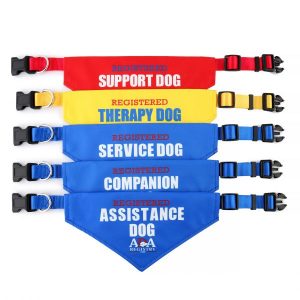
Service Dog Bandana
$39.95 Learn more This product has multiple variants. The options may be chosen on the product page
Custom ID Cards

Custom ID Cards
All States
Canada Cards
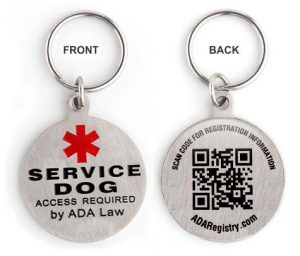
Custom Service Dog Tags
Official Dog Vests
Smart Vests
Official Public Access Kits
Complete Kits
USA & CANADA Letters
High Quality Bandanas
Service Dog Tags
Smart Tags
ESA TAGS